Current Situation and Latest Available Data
As of early February, 2026, labor productivity in the United States is a critical focus amid various economic indicators. The Bureau of Labor Statistics (BLS) recently reported a notable increase in labor productivity, measured by output per hour worked, but specific figures for recent quarters will require further monitoring as they are still pending verification.
Despite fluctuations in productivity measures, the overall economic environment is impacted by inflation, which stands at 2.4%, and an unemployment rate of 4.4%. Notably, these metrics suggest a modestly expanding economy with challenges still ahead, particularly around wage growth and job creation.
Recent Trends and Developments
The trend in labor productivity has seen periods of stagnation mixed with slight improvements. Over the last decade, U.S. labor productivity has generally grown at an average annual rate of about 1.5% to 2%. However, in recent quarters, rates have varied significantly due to various external factors including supply chain disruptions, labor shortages, and shifts caused by the COVID-19 pandemic recovery phase. The latest quarterly figures are expected to reveal additional insights into how businesses and workers adjust to the current economic conditions.
International Comparisons
When compared globally, the U.S. falls behind countries such as Germany, Singapore, and Norway in terms of productivity output per hour. For instance, as of the latest OECD reports, Germany’s productivity was approximately 24% higher than that of the U.S. This discrepancy can partly be attributed to different industry focuses, workforce training, and investment in automation and technology.
Insights from the Bureau of Economic Analysis and Bureau of Labor Statistics
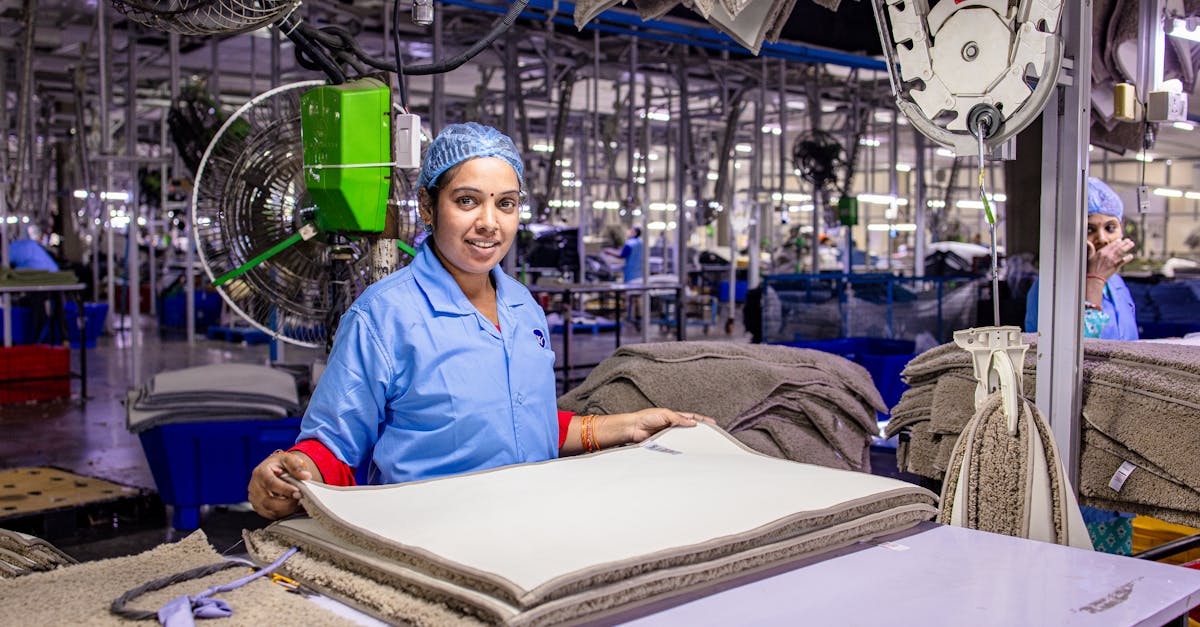
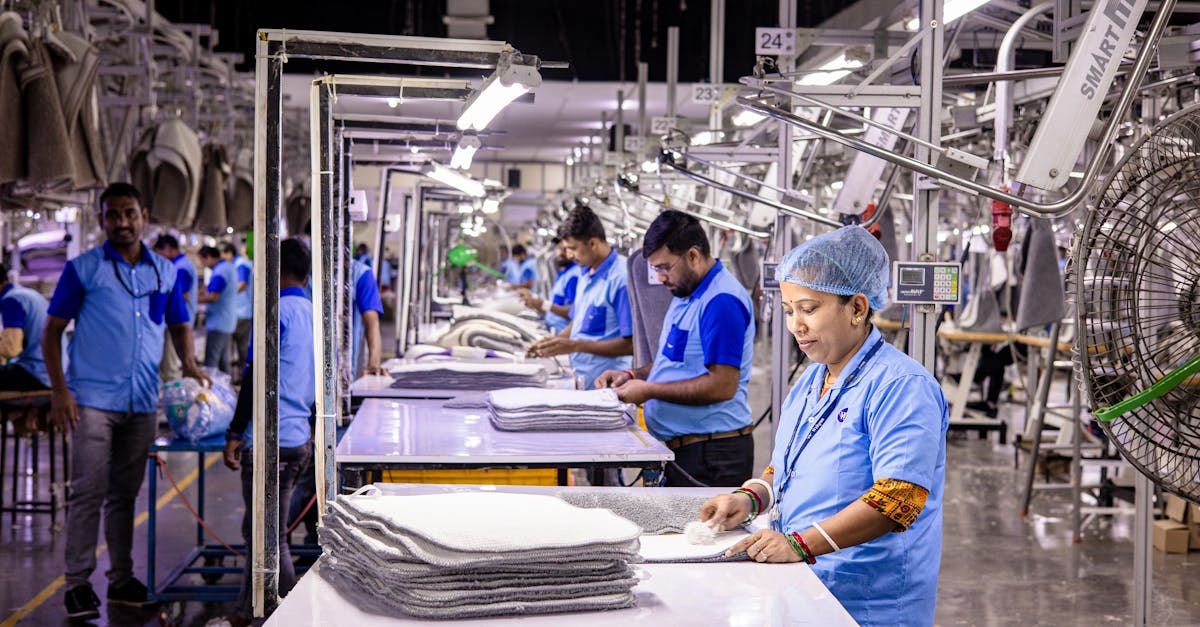
The data provided by the Bureau of Economic Analysis (BEA) and BLS indicates that labor productivity is not uniform across all sectors. Manufacturing, for instance, has seen significant productivity gains due to technological advancements, while some service sectors have lagged. The BLS data indicate that any increase in labor productivity must be matched with adequate wage growth for workers, which remains a heated debate in economic policy discussions.
Practical Implications for Citizens
Understanding labor productivity is essential for American citizens as it directly influences job growth, wage levels, and the overall economic well-being. Higher productivity typically leads to increased economic output without a corresponding increase in labor costs. This can enhance workers’ purchasing power, but if productivity gains are not distributed fairly, inequality may worsen.
Furthermore, with an inflation rate of 2.4% and interest rates at 3.64%, individuals need to consider their personal and professional circumstances carefully. Businesses that invest in productivity improvements—like automation or employee training—stand to benefit from enhanced profit margins and resilience in volatile markets.
Ultimately, labor productivity is a multifaceted component of the economy that affects citizens on multiple levels. Maintaining awareness of its trends and implications is crucial for navigating personal finances and understanding broader economic conditions.