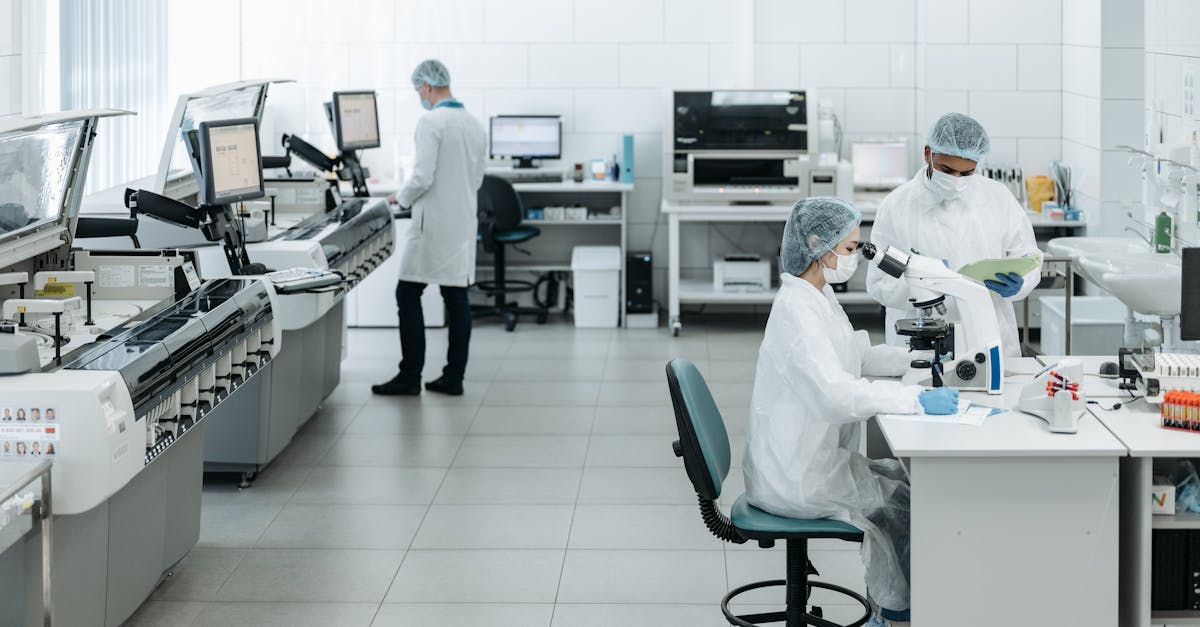
A Surge in R&D Investments
American companies are upping their game in research and development, with expenditures hitting a staggering $600 billion last year. This marks a remarkable 8% increase from the previous fiscal year, outpacing growth seen in other major economies like Japan and Germany. While the U.S. still leads in total R&D spending, the dynamics of global investment are shifting, urging renewed emphasis on economic agility and technological advancement.
Competitive Ground: The Global Arena
To place this surge in context, consider that the U.S. spends approximately 3.2% of its GDP on R&D, positioning it ahead of China, which allocates about 2.4%. This discrepancy underscores both a robust domestic commitment to innovation and the significant stakes at play as countries across the globe vie for technological supremacy. The urgency for innovation is further fueled by the Fed’s recent interest rate adjustments, pegged at 3.64%, signaling a potentially favorable environment for borrowing and further investment in cutting-edge technologies.
Resilient Sectors Driving Change
Industry sectors such as pharmaceuticals, renewable energy, and information technology are spearheading this upward trajectory. Pharmaceutical giants collectively invested around $90 billion in R&D last year alone, showcasing an unwavering commitment to breakthrough therapies amidst a rapidly evolving health landscape. In the renewable sector, innovations are not merely responses to climate pressures; they are positioned as vital components of energy independence and economic resilience.
Labor Market’s Role in Fuelling Innovation
With current unemployment rates hovering at 4.4%, there’s a tightly woven relationship between a stable labor market and heightened R&D activity. The labor force is not just a participant but a motivator of innovation. As the demand for skilled labor intensifies, companies are more inclined to invest in research initiatives to remain competitive. Innovative startups are cropping up at lightning speed, with venture capital pouring in at nearly $130 billion in the past year, a clear indicator of vibrant entrepreneurial activity.
The Inflation Factor
Consumer prices, easing to an inflation rate of 2.4%, provide a conducive backdrop for R&D expenditures. For businesses, predictability around inflation nurtures confidence, paves the way for long-term projects, and allows firms to allocate more resources toward innovative pursuits rather than merely surviving economic uncertainties. As a result, research initiatives are becoming a staple, rather than a luxury, for American enterprises.
From Insights to Impact
Policy developments geared towards enhancing the landscape of research and development, such as increasing the R&D tax credit and incentivizing partnerships between universities and industries, are vital. These efforts not only augment private investment but also catalyze systemic advancements across the economy. The conversation is shifting; innovation isn’t merely a pathway to growth but a necessity for survival in a fiercely competitive world.
Glancing Down the Road
As the U.S. embraces a future teeming with possibilities, the interplay between R&D investments, economic conditions, and labor dynamics will shape the next wave of innovation. The salient question remains: What breakthroughs lie ahead as increased funding meets a motivated workforce? The tapestry of American innovation is poised to expand, potentially rewriting the rules of competition on the global stage.