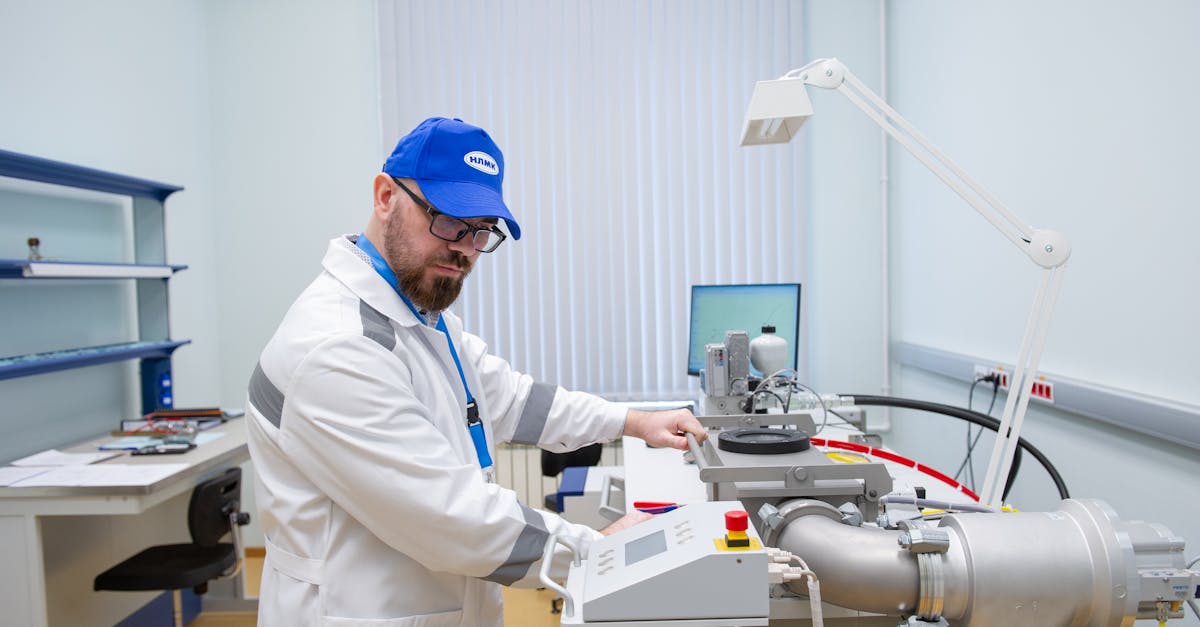
Bold Investments in R&D: A Resurgence
Innovation in the United States is back on the rise, with firms increasing their research and development (R&D) expenditures to unprecedented heights. According to data from the National Science Foundation, corporate R&D spending surged to $596 billion in the latest fiscal year, marking a notable 8% increase from the previous year. This trend underscores a critical pivot in corporate strategy, driven by technology, sustainability, and market competitiveness.
Contextualizing the Boom
When viewed in a global context, U.S. corporate R&D outpaces that of most economies, dwarfing investments from countries like China, which allocated $473 billion in the same period. Even European nations lag behind, with Germany investing $133 billion. The competitive gap demonstrates the U.S.’s determination to retain its status as a global innovation powerhouse.
Financial constraints associated with inflation and interest rates could pose hurdles; however, the current inflation rate stands at 2.4%, while interest rates are relatively low at 3.64%, suggesting that companies enjoy a conducive environment for funding ambitious projects. Corporate profits, buoyed by recent economic stimulus measures and adjusted consumer spending patterns, have further empowered firms to allocate larger budgets to innovative pursuits.
Sectoral Shifts and Highlights
The rapid ascent in R&D spending encompasses various industries, with high-tech and pharmaceuticals leading the charge. The Information and Communication Technology sector alone contributed nearly $200 billion in R&D, reflecting growing consumer demands for advancements in artificial intelligence and 5G technologies. Meanwhile, biotech companies are investing heavily to expedite vaccine development, which has seen a windfall following the pandemic.
Government initiatives are also playing a crucial role. The CHIPS and Science Act, which earmarks significant funding for semiconductor research and manufacturing, is aimed at securing domestic supply chains and ensuring that the U.S. leads the global tech race. Notably, funds from this act are expected to yield a return on investment that outpaces traditional spending, as enhanced national security and economic resilience become prioritized.
Human Capital: A Vital Ingredient
R&D is not solely about expenditures; human capital is the lifeblood of innovation. Educational institutions are increasingly forming partnerships with industries to foster an environment rich in talent. Research positions in tech-centric universities are on the rise, with over 1.5 million STEM graduates entering the workforce annually. This influx positions the U.S. to benefit from fresh ideas and fresh perspectives, sustaining the innovation engine.
Beyond the Numbers: A Cultural Shift
The narrative around innovation is shifting as well. With workplace environments that encourage creativity and risk-taking, American companies are fostering a culture where innovation thrives. Corporations, influenced by younger generations, are focusing on sustainability and social responsibility in their R&D efforts. As a result, investments in green technologies and socially conscious products are now viewed as critical components of long-term profitability.
Gazing into the Future
The landscape of R&D expenditures is morphing, framed by technological advancements and a renewed commitment to global competitiveness. As corporate America embraces this paradigm shift, one must wonder: will this focus on innovation not only redefine the marketplace but also the societal fabric? With a symbiotic relationship developing between creativity, technology, and investment, the opportunity for transformative breakthroughs is ripe for unleashing. What’s next for the U.S. in this age of unprecedented innovation? Only time will reveal the full potential of this vibrant renaissance.