A Major Dip in Productivity
U.S. labor productivity, a crucial gauge of economic efficiency, fell by 2.4% in the last quarter—a significant decline that raises alarms about the health of the economy. This downturn represents the most drastic drop since early 2021, marking a troubling trend for a nation desperately seeking stability amid rising costs and changing work dynamics.
Inflation and Unemployment Factors
Inflation, sitting at 2.4% according to the Bureau of Labor Statistics, has critically impacted purchasing power, yet wage growth has not kept pace. With unemployment at 4.3%, the labor market exhibits resilience; however, the stagnation in productivity suggests that companies may be struggling to translate a still-healthy job market into efficient output. For comparison, Europe reported a modest increase in productivity, with nations like Germany managing a growth rate of 1.5%—a stark contrast to the U.S. dip.
Interest Rates Under Pressure
The Federal Reserve’s interest rate currently rests at 3.64%, a strategic move aimed at combatting inflation but simultaneously threatening economic buoyancy. Businesses face higher borrowing costs, affecting capital investment decisions and overall growth. The combination of a contracting productivity rate and escalating interest rates could choke the very engines that drive expansion and innovation in American industries.
Innovation at a Standstill
Enticing innovation has historically been seen as a cornerstone for boosting productivity. However, despite hefty investments in technology and supply chain enhancements, productivity levels are languishing. Experts speculate that lingering supply chain disruptions—exacerbated by global geopolitical tensions—have hampered U.S. firms’ abilities to fully leverage new technologies and optimize operations. In contrast, an analysis of Asian economies reveals that countries like South Korea have capitalized on technology integration, leading to gains in productivity where the U.S. struggles.
Industry Perspectives
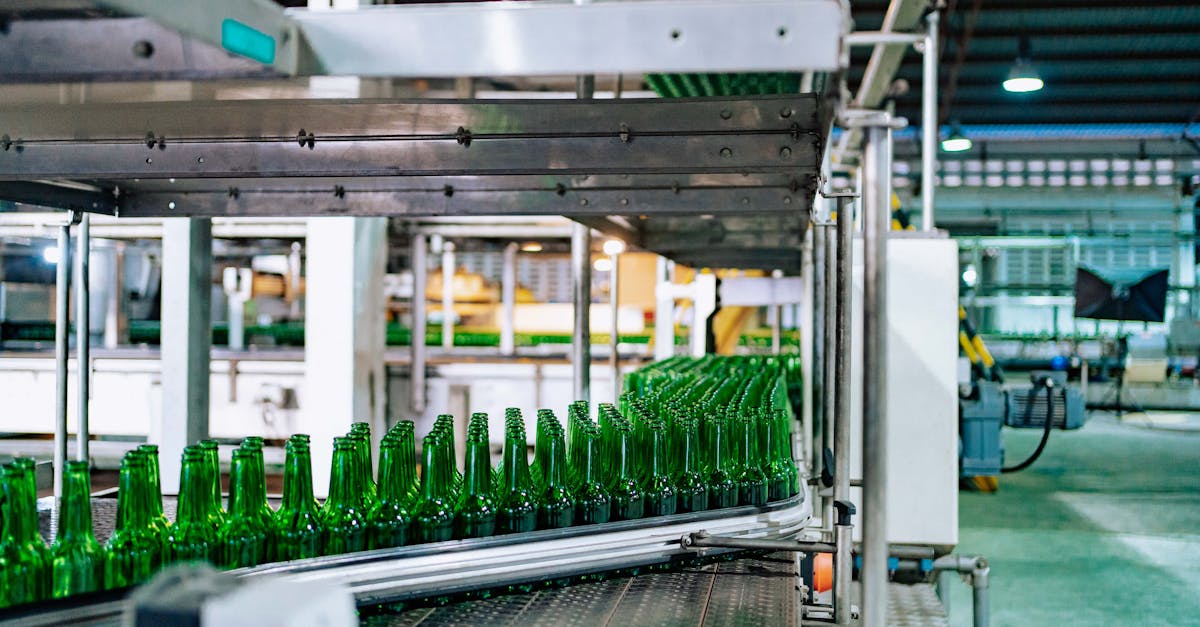
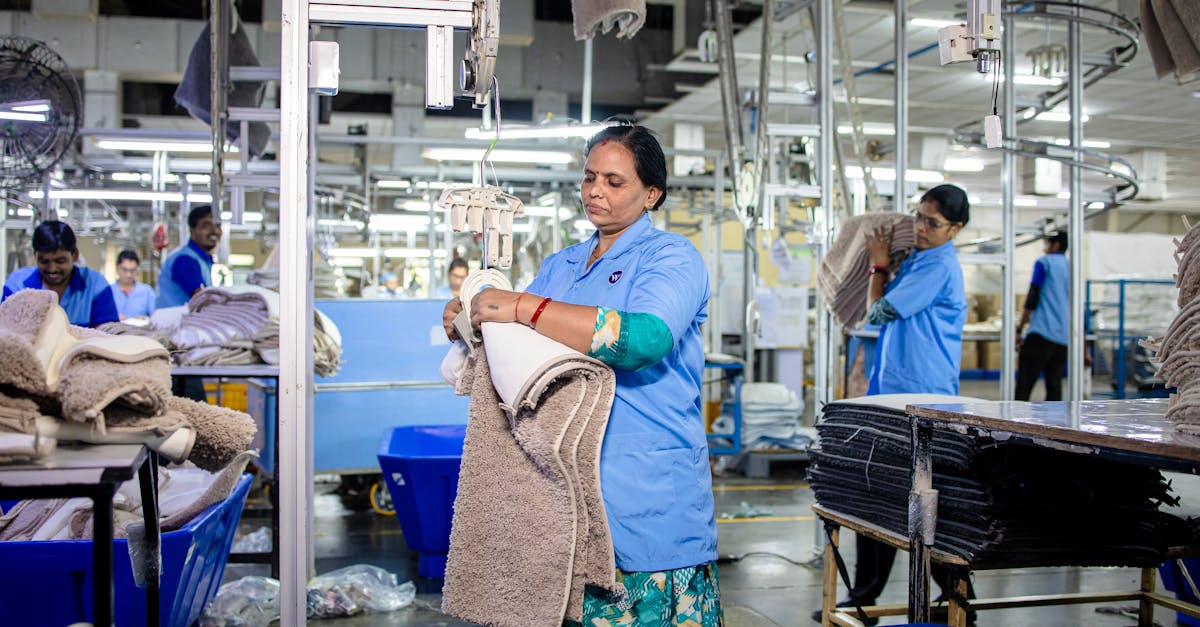
Certain sectors, particularly manufacturing, have experienced noticeable contractions, with productivity in this area declining by 4.7%. The ongoing struggle in this critical industry hints at deeper issues, including labor shortages and rising material costs, which have significantly affected output. Hospitality and retail sectors, once centerpiece growth areas, have resumed operations post-pandemic but face challenges in scaling efficiently, contributing to overall sluggish productivity growth.
The Road Ahead
As businesses and policymakers grapple with these pressures, the path forward will hinge on strategic decisions around investment, workforce training, and innovation. With job openings remaining high, focusing on skill development may harness the potential of a capable workforce that has yet to reach peak productivity. Looking out on the horizon, the interplay between interest rates, inflation, and productivity could shape the economic landscape in unforeseen ways; a recalibration of priorities may just hold the key to reversing this negative productivity trend.