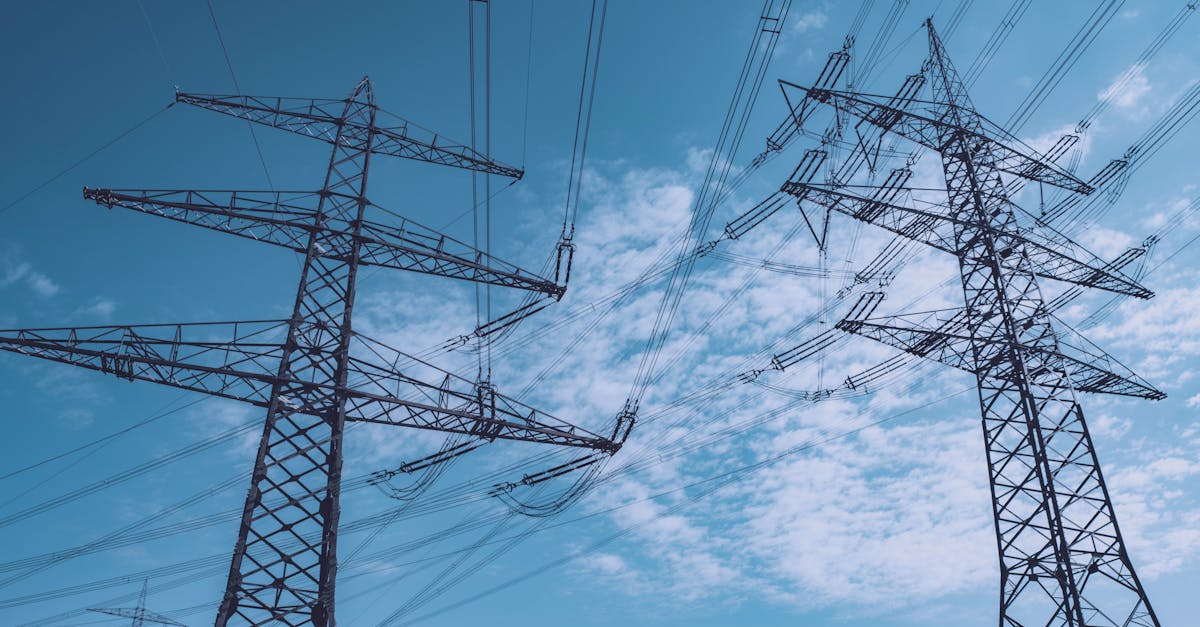
The latest data underscores a seismic shift in energy prices, particularly electricity, with the latest national average reaching $0.14 per kilowatt-hour in March, a steep rise compared to $0.13 the previous year. This increase exemplifies the delicate nexus between geopolitical variables, inflation dynamics, and evolving energy policies.
Contextualizing Cost Trends
Compared to international counterparts, the U.S. price per kilowatt-hour remains competitive but still notable—in Germany, for instance, residential energy consumers faced averages exceeding $0.40. This disparity highlights the complex interplay of market regulations, energy sourcing, and environmental strategies that shape price tags globally.
By examining year-over-year growth, the 8% increase in U.S. energy prices signals strong inflationary pressures, particularly against a backdrop of overall national inflation rates holding at 3.3% as reported by the Bureau of Labor Statistics. Notably, the Consumer Price Index (CPI) has seen energy prices jump disproportionately, leading to concerns about economic resilience if energy costs continue to escalate faster than general consumer prices.
Inflationary Pressures and Energy Supply
Energy prices have historically exhibited volatility, but the ongoing geopolitical conflicts, particularly in Eastern Europe, are presenting new challenges. The Federal Reserve’s measures to tame inflation—primarily through interest rate hikes—are juxtaposed with the reality of international energy supply chains that hinge on stability. Recent Fed statistics indicate expectations may soften; however, with geopolitical instability, energy procurement strategies remain tenuous.
Electricity generation, heavily reliant on natural gas—a commodity lately subjected to sharp fluctuations—is indicative of broader market vulnerabilities. As of the latest reports, natural gas prices are nearing their highest levels in two years, which compounds the challenges faced by energy consumers and utilities alike. Alternative energy sources, while progressively gaining ground, remain hamstrung by integration and infrastructure hurdles.
The Role of Renewable Dynamics
On the flip side, renewable energy offerings are more prominent than ever, with wind and solar power contributing to nearly 25% of total generation. This growth does mitigate some pressures on traditional energy sources. However, the scalability of renewables faces issues related to energy storage and grid resilience. Without substantial investment in these areas, the promise of lowering overall energy costs remains a distant goal. Interestingly, the Inflation Reduction Act is propelling investments in clean energy technologies, aimed at fostering competitiveness and reducing long-term electricity costs.
Looking Beyond the Immediate
Energy market observers are keenly aware of the balancing act ahead. As policymakers strive to navigate the choppy waters of energy pricing under inflationary pressures, the dichotomy of reliance on fossil versus renewable energy sources will undoubtedly take center stage.
Challenges notwithstanding, as the nation seeks energy independence and a shift toward greener solutions, the call for innovative policies and technological breakthroughs is louder than ever. With the next few quarters poised to shape the trajectory of the energy landscape, U.S. consumers may find themselves at a pivotal juncture, balancing affordability with sustainability in an ever-complicated sector.