The Pulse of the American Wallet: Consumer Spending Insights
$15 trillion. That’s the staggering amount Americans spent on goods and services in the last year, according to the Bureau of Economic Analysis. This figure underscores not only the sheer volume of consumer activity but also illustrates a resilient economy even as inflation casts a shadow, currently sitting at 2.4% as reported by the Bureau of Labor Statistics.
Year-on-year growth in consumer spending remains a critical driver of GDP, contributing approximately 70% to the economy. The current trajectory shows a growth rate of 4.2% since last year, highlighting a robust bounce back from pandemic-related disruptions. However, closer scrutiny reveals that inflation is starting to chip away at real purchasing power, raising concerns about the sustainability of this trend.
Diving into Discretionary Spending
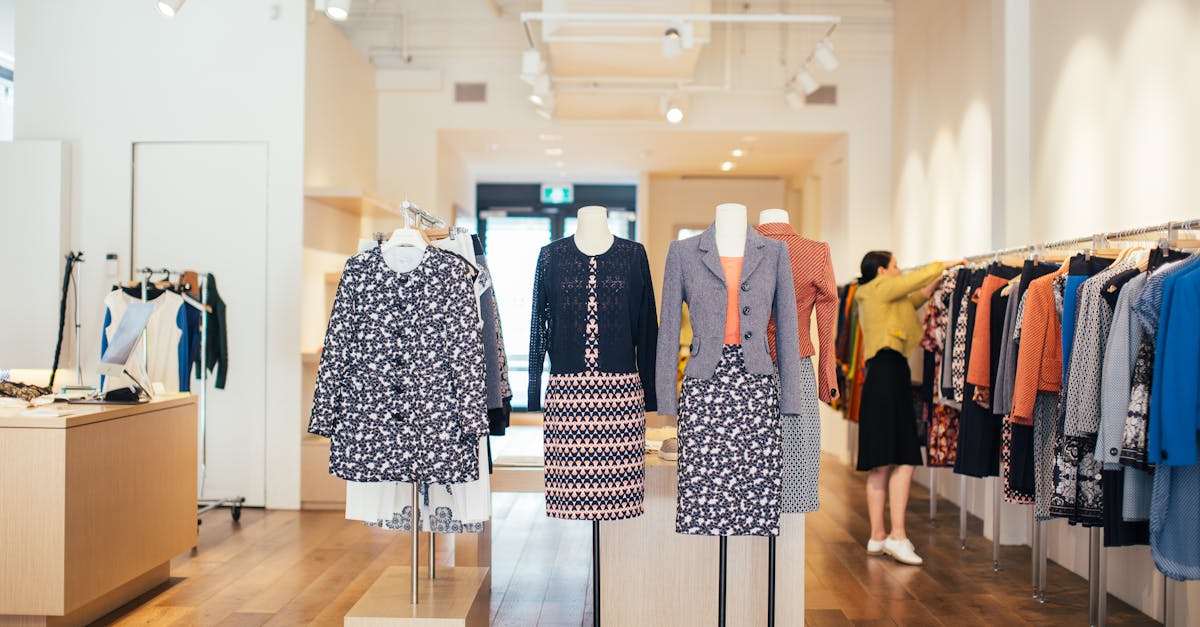
Despite the impressive overall spending figure, discretionary categories are witnessing varying degrees of success. Retail sales in sectors such as clothing and electronics have surged, with fashion alone up around 8% over the past year. However, not all sectors are thriving; the housing market, for example, has seen a cooling trend largely due to higher mortgage rates impacting buyer confidence.
This divergence accentuates the complexity of current consumer behavior. Those in urban areas are particularly leaning towards experiences over goods, with spending on travel and dining out witnessing double-digit growth percentages. As consumers prioritize experiences in their budgets, it begs the question: how long can this momentum be maintained in the face of fluctuating prices?
The Real Cost of Inflation
While 2.4% inflation may seem manageable, it has manifested differently across consumer categories. Basic necessities like food and energy have seen fluctuations that far exceed this average, pulling consumer focus away from discretionary purchases. For instance, grocery prices surged more than 6% in the last year, putting a squeeze on household budgets.
These pressures suggest that a significant portion of consumer spending is being reallocated. Families are looking for ways to cut costs, perhaps opting for generic brands over name brands and shopping at discount retailers. The shift in spending patterns signals a cautious consumer climate where value becomes king, emphasizing the need for businesses to adapt to this new landscape.
What It Means for Everyday Americans
For the average consumer, understanding this dynamic translates to strategic financial management. With wages having risen—around 3.5% per year—those increases are effectively wiped out when they encounter higher costs in everyday essentials. The challenge lies in finding balance: a higher salary does not automatically equate to increased purchasing power when inflation tarnishes its impact.
Shifts in consumer behavior may also push businesses to reconsider their pricing strategies, inevitably influencing the larger economic cycle. Companies that cater to consumers’ evolving priorities stand a better chance of not just survival but thriving in this complex environment. Thus, individuals that adapt to changing economic conditions find themselves better equipped to manage their finances.
Keeping an Eye on Future Trends
As the spending landscape continuously evolves, the key market players will be those who listen to consumer sentiments without losing sight of economic indicators. The relationship between personal finance and macroeconomic health will remain a focus, influencing policy decisions at high levels. As we look forward, understanding these nuances will be crucial for anyone trying to navigate the waters of consumer spending in the U.S.
America’s $15 trillion in consumer spending is more than just a number; it’s a reflection of societal priorities and economic resilience. What trends will emerge next in this ever-dynamic market?