A Surprising Leap in Labor Productivity
Despite a tightening labor market and ongoing inflationary pressures, U.S. labor productivity showed an unexpected increase. According to the Bureau of Labor Statistics, productivity rose by 2.3% year-over-year as of February 2026, a stark contrast to the negative growth observed in the previous quarter. This marks a critical turning point, as productivity had stagnated and even declined amid a backdrop of rising costs and interest rates.
What Lies Behind the Numbers?
To grasp the significance of this development, consider the broader economic landscape. Inflation, reported at 2.4% as of February 1, presents a challenge to purchasing power, yet businesses seem to be harnessing innovative practices and technology to push output per hour worked upward. The Federal Reserve’s benchmark interest rate, now at 3.64%, suggests that borrowing remains relatively affordable, which could incentivize capital investment aimed at productivity enhancement.
In an international context, U.S. productivity growth has often trailed behind that of leading economies such as Germany and Japan, where labor productivity rates have shown more robust growth in recent years. For instance, Eurozone countries reported an average productivity rise of 3.1% in 2025, illustrating the competitiveness gap that U.S. companies are striving to close.
Sector Spotlight: Where Productivity Shines
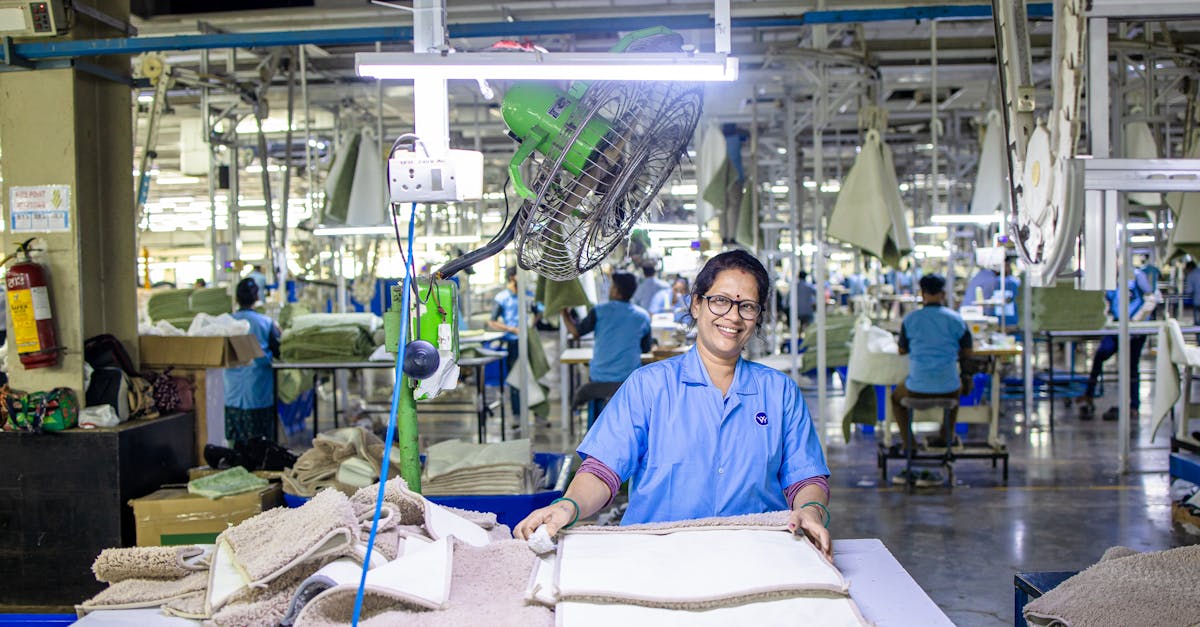
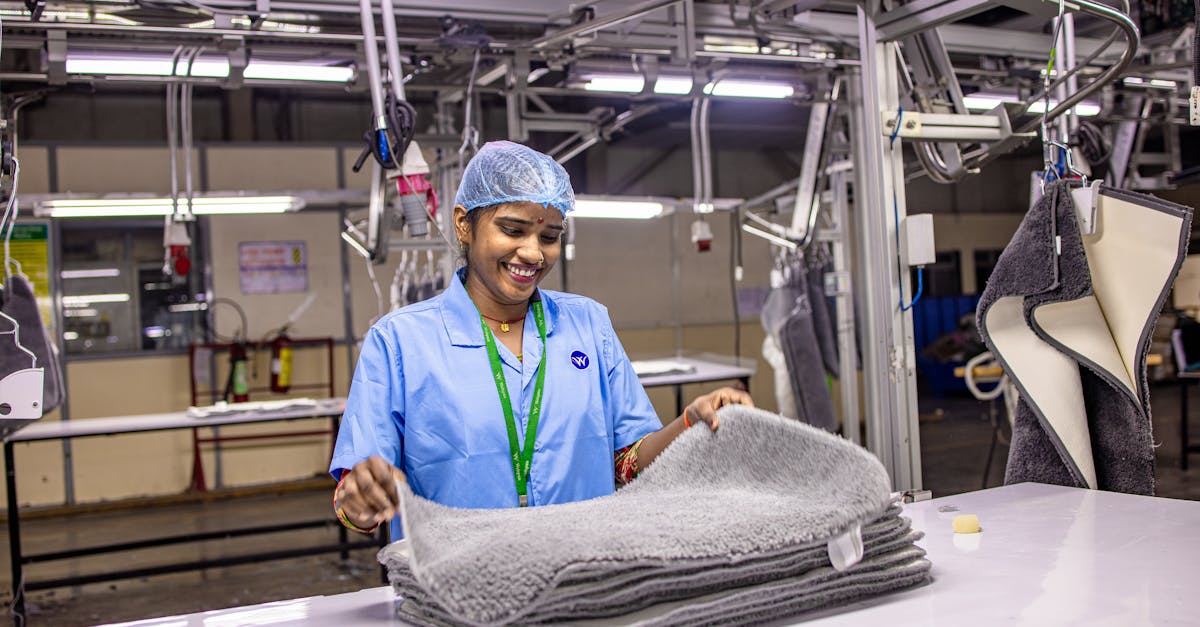
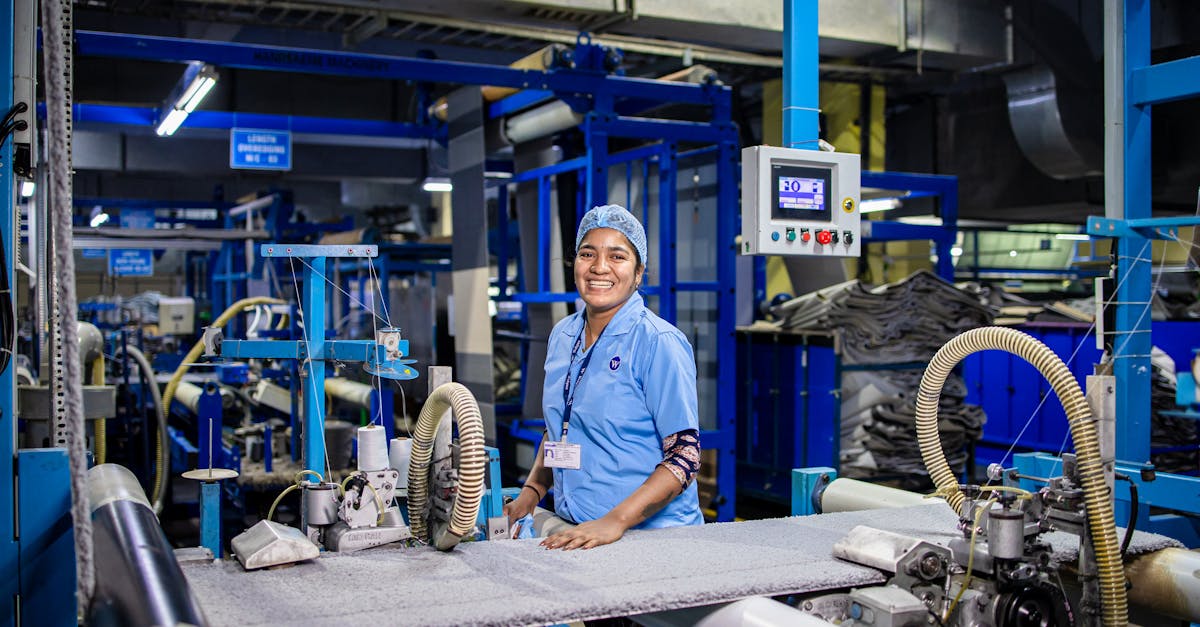
Digging deeper into sector-specific performance reveals that industries such as information technology and manufacturing have led the charge in productivity improvements. The tech sector, often seen as the backbone of U.S. innovation, has leveraged artificial intelligence and automation effectively, driving significant gains in output without a commensurate increase in labor hours. Meanwhile, the manufacturing sector benefited from increased efficiencies related to supply chain management and production techniques.
In contrast, the service industry shows a more muddled picture, with productivity in sectors such as retail and hospitality remaining stagnant. These sectors grapple with labor shortages, driven by a tight labor market represented by an unemployment rate of 4.4%. The result is a dissonance between productivity in high-tech industries and the service sector’s struggle to keep pace.
The Dichotomy of Expectations
The current productivity figures suggest that American businesses might be adjusting to a post-pandemic reality where adaptability and efficiency are paramount. However, this productivity uptick runs counter to rising apprehensions regarding potential recessionary trends fueled by high-interest rates and inflation. Market observers are left to ponder whether this productivity growth is a sustainable trend or a brief reprieve.
A Future Uncertain, Yet Full of Potential
Looking ahead, the crux of the productivity conversation will hinge on whether current growth rates can be maintained. Forces at play—such as technological innovation, investment in human capital, and policy changes—could either support sustained advancements in productivity or introduce headwinds that dampen progress. As businesses navigate this complex terrain, American labor productivity will likely remain a topic of critical interest, revealing insights into the economy’s underlying strengths and weaknesses. The unfolding narrative promises not just numbers but stories of enterprise resilience in an ever-evolving landscape.