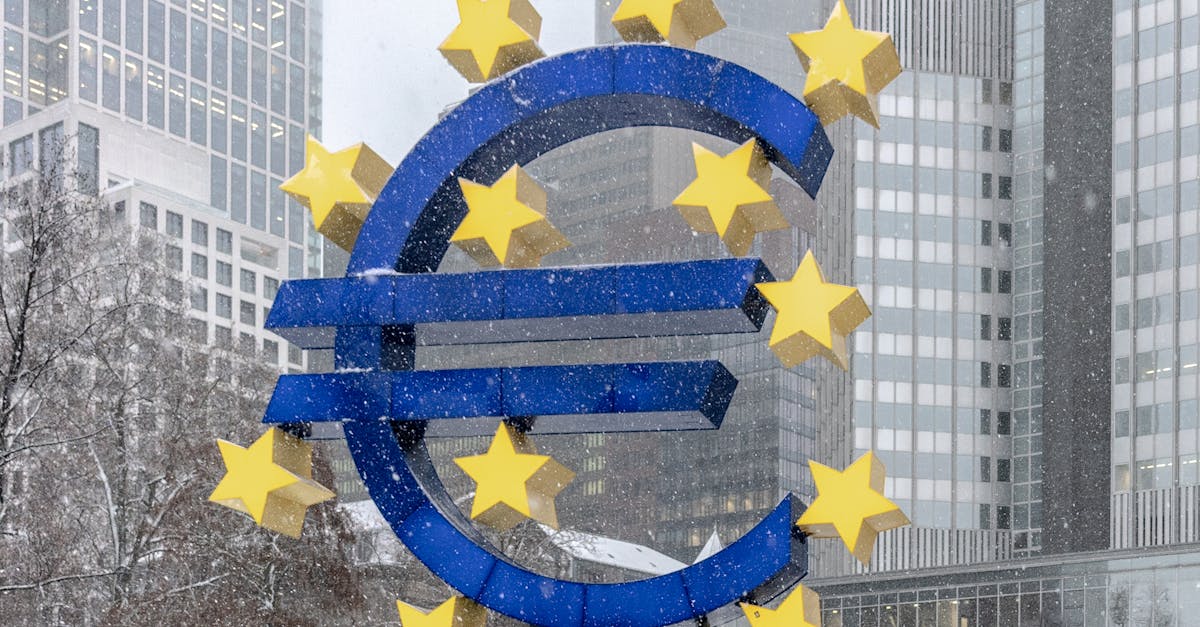
Central Banks on the Move – U.S. Interest Rate at 3.64%
With the Federal Reserve’s interest rate now pegged at 3.64%, the reverberations of this decision resonate across both domestic and international economic landscapes. This aligns closely with trends seen in a handful of other advanced economies, such as the European Central Bank’s current rate of 3.50% and the Bank of England at 4.25%. While the Fed’s 3.64% rate may appear moderate, it represents a significant recalibration from the near-zero levels seen just a year prior, reflecting a more hawkish stance amid persistent inflationary pressures.
Inflation’s Persistent Grip
Fluctuations in interest rates are often a reaction to inflation metrics, and the latest Consumer Price Index (CPI) reading highlighted this persistence. The U.S. inflation rate stood at 6.4% year-over-year, a reduction from last year’s peaks but still considerably above the Fed’s 2% target. This stark inflation persists whereas many peers in Europe, who similarly faced high inflation rates, have begun to see modest reductions.
The Fed’s decision to gradually increase rates over the past 12 months mirrors the tightening measures adopted globally. Comparatively, Australia’s Reserve Bank raised their cash rate to 3.60%, illustrating that nations are largely in sync when navigating inflationary uncertainty. A global perspective shows a monetary environment where central banks are prioritizing inflation control even at the risk of potentially stalling economic growth.
Economic Versus Market Responses
Interestingly, the real story isn’t just the rates themselves but how they interact with various economic indicators. As of now, the unemployment rate in the U.S. is holding steady at around 4.1%, an essential counterbalance to the inflation narrative. Job growth remains robust, with data revealing that the economy added approximately 120,000 jobs last month alone, signalling resilience in the labor market.
Stock markets often react to these interest rate adjustments; however, the current rate set by the Fed does not appear to hamper growth in the S&P 500, which has seen a year-to-date increase of over 15%. This raises questions about investor sentiment and risk appetite amid tightening monetary policy.
Borrowing Costs and Housing Market Impact
A 3.64% interest rate also carries consequences for consumers and businesses alike. For home borrowers, this translates into higher mortgage rates that might cool the housing market, which has already shown signs of moderation. Mortgage rates have surged above 6% recently, forcing potential buyers to reconsider their purchasing power. This creates a ripple effect on consumer spending, a vital lifeblood of the U.S. economy that accounts for about 70% of GDP.
In contrast, business investments may become more price-sensitive as companies face steeper borrowing costs. Economic theory suggests that while some sectors, particularly housing, will likely slow down, others might continue to thrive given strong demand dynamics.
A World of Uncertainty Awaits
As we gaze into the horizon of 2024, the implications of the Fed’s interest rate decisions are woven tightly into the overall economic strategy. Analysts and economists are divided on the potential paths: some foresee continued tightening to combat inflation, while others predict a pivot if the economy showcases signs of faltering.
The Federal Reserve has indicated vigilance; a commitment to achieving its 2% inflation target could incite further rate adjustments, altering the financial landscape in profound ways. Just as a chess player anticipates their opponent’s moves, the Fed’s decisions will continue to influence markets, consumer behavior, and global economic relationships.
As we navigate this complex terrain, the ultimate question remains: will the central bank’s strategy correct the course towards stable growth, or will it tip the balance into a different realm of economic challenges?