A Surprising Dichotomy in Inflation Rates
How can a nation basking in an inflation rate of 2.4% feel the strain of rising consumer prices? While economists often celebrate this number as a sign of stabilization, many American households find their financial constraints tightening. The dissonance between the headline figure and everyday experiences reveals underlying complexities in the economic narrative, casting doubt on the efficacy of inflation measures in fully capturing the consumer sentiment.
Where Expectations Meet Discontent
In a country divided by economic realities, the seemingly benign inflation rate masks a more tumultuous story. Particularly unsettling is the contrast between sectors experiencing price increases well beyond the average—housing, for instance. In metropolitan hubs, Americans now face surging rent prices, tipping the scales of affordability. The National Association of Realtors reported an average rent increase of 8.4% in just one year in specific urban centers, juxtaposed against a more moderate inflation narrative.
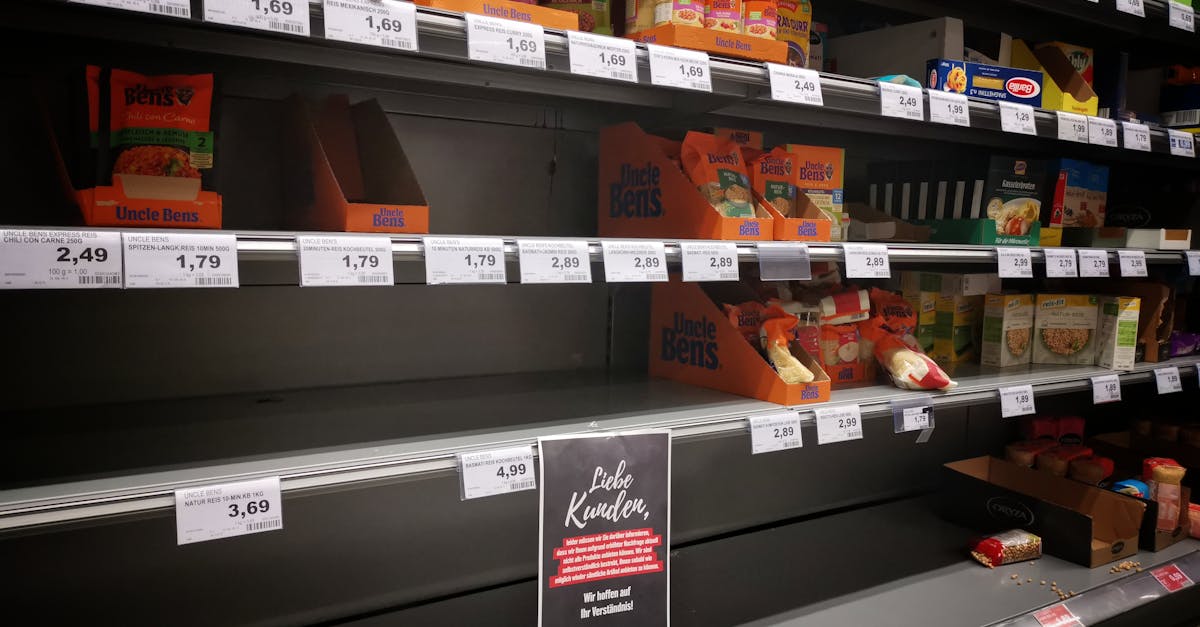
Meanwhile, essential goods like groceries have not escaped the claws of price hikes. The BLS indicates a 3.1% increase in food prices, with staples such as eggs and dairy witnessing shocking surges. Why this disconnect between the broad inflation metrics and the palpable aggravation felt across the consumer landscape?
The Unseen Undercurrents
Beneath the swathes of generalized inflation data lies a more worrying trend that fails to make it to the headlines. The Fed’s recent maneuvers reflect an awareness of the sensitivity within specific consumer segments. The increase in interest rates, in a bid to tame inflation, has notably affected homebuyers, plunging the housing market into a complex standoff where borrowing costs soar just as property values threaten to do the same. The ripple effect is unmistakable: middle-class families find themselves increasingly priced out of home ownership, pushing them back into the renting cycle at a time when prices rise steadily.
Moreover, the disparity isn’t merely regional; it extends to demographics. Lower-income families are disproportionately affected as their purchasing power shrinks against the backdrop of stagnant wage growth and rising costs. Recent BLS data indicates that real average hourly earnings decreased 0.7% for the year, showcasing the stark reality for many households. This disconnect raises deeper questions about equitable economic growth.
The U.S. Player on the Global Stage
As the U.S. grapples with its inflation narrative, what of the international perspective? A cursory glance reveals that inflation figures across industrialized nations present a patchwork of experiences: Canada, for instance, faced a 3.2% inflation rate, while parts of Europe reported dire numbers, some climbing as high as 7.6%. The difference is stark and raises a pivotal question: is the American economy uniquely positioned for growth, or are its foundations precariously built upon a volatile inflation assumption?
The Fed’s strategy of interest rate adjustments aims to orchestrate a delicate balance—are they overstepping? Countries wrestling with pronounced inflation have taken more extreme regulatory measures. This raises an undeniable fork in the road: is there a better way for the United States to navigate this economic maze without tipping into recession?
The Open Question of the Fork Ahead
As data streams in and the economic landscape shifts, one wonders about the long-term ramifications of this inflation paradox. Will the Biden administration’s policies adequately shield consumers from rising prices, or are they too late to address the brewing discontent? And as households continue to grapple with affordability, how might this impact consumer confidence and spending in the coming months? The path forward remains uncertain, and America must confront the intricate web of inflationary pressures while recalibrating its approach to safeguard its economic future.