The Inflation Enigma
Despite an inflation rate of 3.8%, consumers are increasingly feeling as if they’re caught in a monetary vice. While such a figure might be deemed moderate after the spikes of preceding years, the reality is far more complex. For many families, the perception of rising prices often overshadows the raw number, creating a disconnection between the statistics and lived experiences. Why are essentials like groceries and gas still causing anxiety at the checkout line, even amidst a seemingly stabilizing economy?
From Expectations to Exasperation
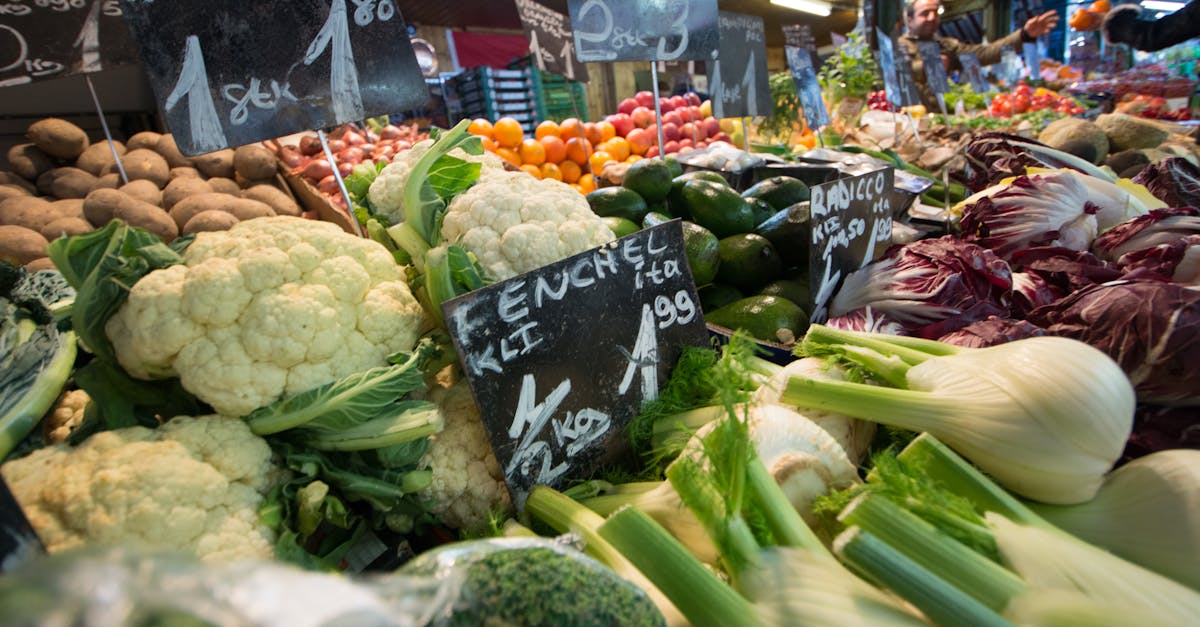
Analysts may have predicted inflation would ease significantly as the economy adjusted, but reality offers a stark contrast. Non-durable goods such as food and household items illustrate an alarming truth: these prices have seen inflation rates soar past the benchmark, driven by supply chain disruptions and seasonal factors. As of now, food prices have surged by nearly 5% over the last year, making them feel almost untouchable for many families whose wages have not seen commensurate growth. On the flip side, used car prices—once a runaway train due to pandemic-related shortages—have begun to stabilize, showcasing the heterogeneous impact inflation can have across sectors.
The Hidden Trends
What often gets lost in headlines is the consideration of hidden layers of inflation, particularly how they impact different income brackets. Households making less than $50,000 annually are facing a far steeper inflation rate than wealthier counterparts, as they allocate a more significant portion of their budgets to essentials. The disparity among various demographic groups can lead to a deepening divide; while the upper echelons of society may weather inflation with more financial flexibility, the lower income tiers find themselves increasingly squeezed.
Diverging Pathways in Global Comparisons
While the U.S. grapples with its inflation metrics, contrasting scenarios overseas invite scrutiny. Many European nations, for instance, have managed to keep inflation rates lower, primarily through more aggressive monetary policies and energy subsidies. Germany’s inflation rate sits at around 2.1%, providing a sharp contrast to the struggles observed in American markets. How are other economic powerhouses navigating similar global pressures without succumbing to rampant price increases? Is the U.S. lagging in policy effectiveness, and is that at the expense of its most vulnerable citizens?
Power Dynamics in Price Rise
A deeper dive into consumer data shows that not all industries yield the same results under inflationary pressure. The tech sector, by and large, has demonstrated resilience, maintaining steady pricing through efficiency and lower production costs facilitated by innovation. Yet, this has not translated into universal consumer satisfaction. While tech giants, like Apple or Amazon, may continue to thrive, traditional retailers face a tougher landscape where profit margins are shrinking and consumers are more discerning than ever.
The Decisive Fork
As inflationary tides shift and the Fed contemplates monetary policy adjustments, one can’t help but question the direct and indirect factors influencing this environment. Will wages finally catch up with the rising costs? Will consumer sentiment shift decisively, telling us which side of the inflation story we shall embrace moving forward? The forthcoming actions from the Federal Reserve, as well as continued responses from sectors perceived as ‘winners’ or ‘losers,’ will provide clarity, but as it stands, the narrative remains convoluted. This leaves the ultimate question: how do we reconcile empirical data with everyday experience in the battle against inflation?