Contradictions in the Consumer Landscape
Inflation, as measured by the Bureau of Labor Statistics, stands at a modest 2.4%. At first blush, such a number shrouds the underlying complexities that lead one to question if this is a recipe for economic stability or a powder keg waiting to explode. The seeming tranquility of this figure collides dramatically with the lived experiences of consumers, creating a rift between statistical artifact and everyday reality. While policymakers pop the champagne bottles, many consumers are watching prices for essentials climb far more swiftly than official numbers suggest.
The Hidden Struggles Beneath the Surface
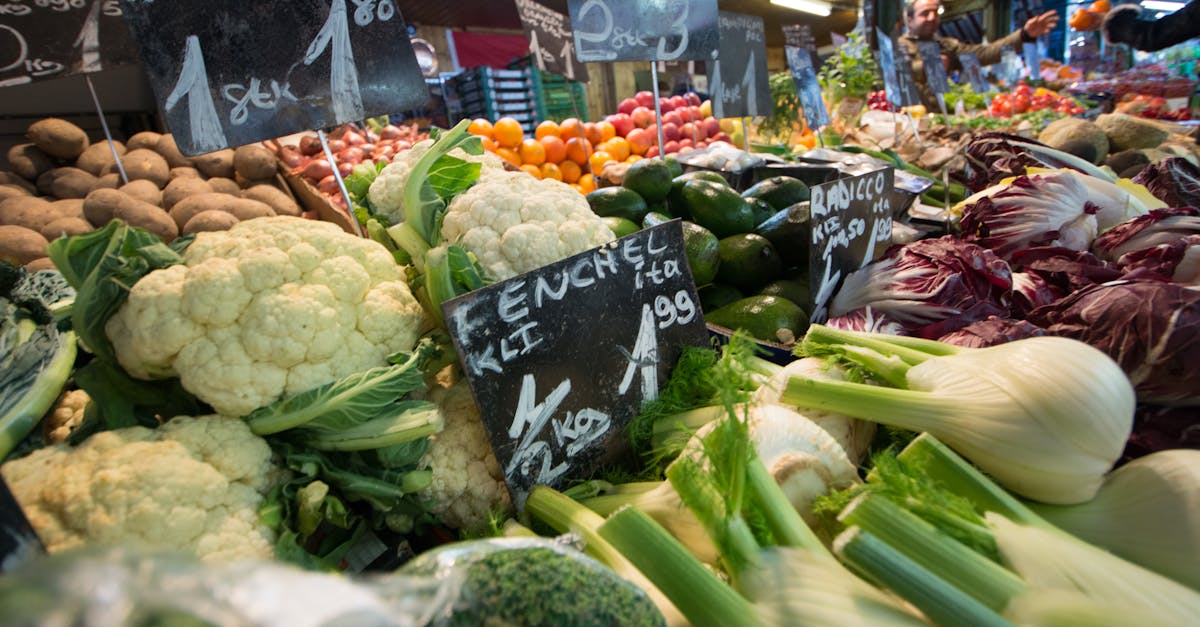
Take the food sector, for instance. Reports from the U.S. Department of Agriculture show that prices for some staple goods have risen by nearly double the inflation rate, with eggs increasing by over 14% in the past year alone. Meanwhile, in stark contrast, energy prices have stabilized, providing a buffer that some analysts suggest mitigates the overall inflation narrative. The juxtaposition between food inflation and energy price stability unveils a troubling schism: while some sectors enjoy a reprieve, others are feeling the brunt of economic pressures.
When drilling deeper, comparisons emerge with other countries. While U.S. inflation hovers around 2.4%, Eurozone nations are grappling with rates almost half as high. The disparity fuels a type of economic nationalism, as Americans might question how their purchasing power is becoming ensnared in a global inflation game where ‘stability’ appears to be regionally contingent.
The Forgotten Metrics – Employment and Expectations
Behind the inflation figures lies a contrasting reality concerning employment and consumer expectations. A recent survey by the University of Michigan highlighted that consumer sentiment has dipped considerably amongst middle-income families alongside rising prices for necessities. Expectation versus reality paints a stark picture: Many families anticipated an economic recovery that would alleviate their purchasing dilemmas, anticipating incomes would rise in lockstep with nominal wage increases. Instead, the cost of living has outpaced wage growth, leading to a more pronounced economic strain than the 2.4% inflation rate would suggest.
Inequitable Growth: Winners and Losers
The contours of inflation and consumer prices create a societal divide—those who can adapt and absorb price increases versus those left behind. Rent costs continue to soar, with urban centers offering a prime example of this dynamic. A report from the National Multifamily Housing Council revealed a staggering increase of nearly 10% in rents over the past year in major metropolitan areas. Meanwhile, the Fed’s stabilization policies offer more insidious benefits to property owners and investors than to those tethered to rent. As a result, those on fixed incomes or lower-wage earners find themselves better positioned to capitalize on social programs rather than ride the wave of economic recovery. Cleanly put: it’s the affluent who manage to continue expanding their economic fortunes while the struggling fall further behind.
What Lies Ahead? A Fork in the Road
Scrutinizing the inflation narrative reveals a complex web of economic realities. If the official rate reflects a mere veneer, what happens as consumers face another wave of price jumps? The tension between anticipated and experienced inflation causes a rift that could affect consumer behavior fundamentally. Will families begin adjusting their spending sooner than anticipated, ensuring the overall economic stability projected by the Fed risks becoming a self-fulfilling prophecy of economic downturn?
The question looms—will the current trend continue, allowing for inflation management through Fed policies, or is an unpredictable surge in sector-specific prices about to redefine economic stability?
As inflation continues to tug at the threads of consumer tranquility, we stand at a decisive fork. How society chooses to react today could either anchor the economic ship or send it spiraling into turbulent waters.