Labor Productivity Stumbles
U.S. labor productivity has gradually edged up by just 1.2% over the last quarter, casting a stark shadow over economic growth prospects. This figure not only trails the robust 3% growth rate observed in other advanced economies but also falls behind last year’s 1.5% increase. As productivity stagnates, concerns mount over the long-term competitiveness of the American workforce.
A Global Perspective
Compared to buoyant economies like Germany and Japan, which reported productivity increases of 2.5% and 2.8% respectively, the U.S. faces an uphill battle in maintaining its global standing. The productivity gap not only points to inefficiencies but also raises fundamental questions about investment in technology and innovation. With the total nonfarm business sector’s output barely rising against the backdrop of sustained inflation hovering at 3.3%, companies are now compelled to reevaluate operational strategies.
Economic Pressures at Play
The labor market is also facing pressures, with the unemployment rate resting uncomfortably at 4.3%. This is a far cry from the near-record lows seen just a few years ago. The combined impact of stagnant productivity and higher inflation creates a precarious environment for workers and employers alike. Companies may opt to hire less frequently or reduce their workforce altogether in search of cost efficiencies, thereby further constraining productivity.
Sector-Specific Struggles
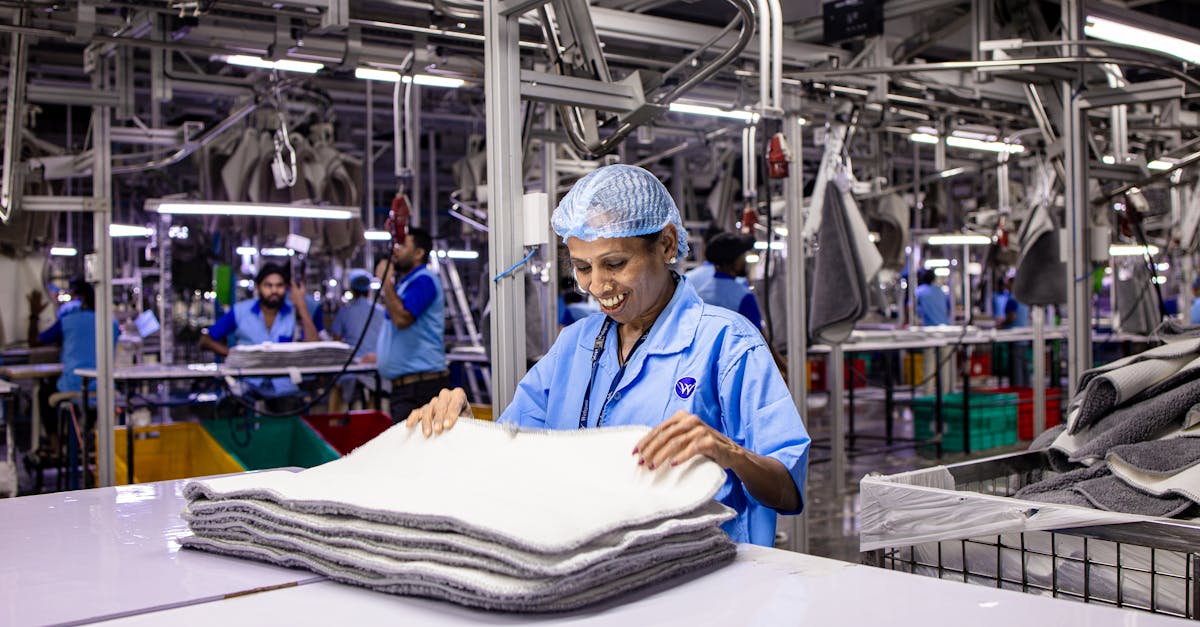
Industries such as manufacturing, traditionally a cornerstone of American productivity, have not seen the expected rebound. Although new technologies promise to enhance efficiency, actual implementation figures remain disappointingly low. The Bureau of Labor Statistics reveals that manufacturing productivity rose only 0.5%—an alarmingly low figure compared to the historical average. The potential for growth exists, but without substantial investments in human capital and smart technologies, these gains might remain theoretical.
What Lies Ahead?
As companies grapple with these concerning trends, it’s imperative to consider bold reforms to rejuvenate the U.S. labor landscape. Addressing the skill gap and promoting advanced training programs could be pivotal. Federal Reserve policies play a role as well; a more aggressive stance on interest rates might empower businesses to absorb some inflationary pressures, allowing for strategic reinvestment in labor productivity enhancements.
An Opportunity in Disguise
For forward-thinking firms, the current stagnation presents an opportunity—a call to innovate and streamline processes. Those willing to embrace change could emerge as leaders in the next landscape of the economy. If U.S. businesses respond proactively, the narrative could shift from sluggish productivity to a story of growth and resilience. The time for strategic investment in the American workforce is now or never.