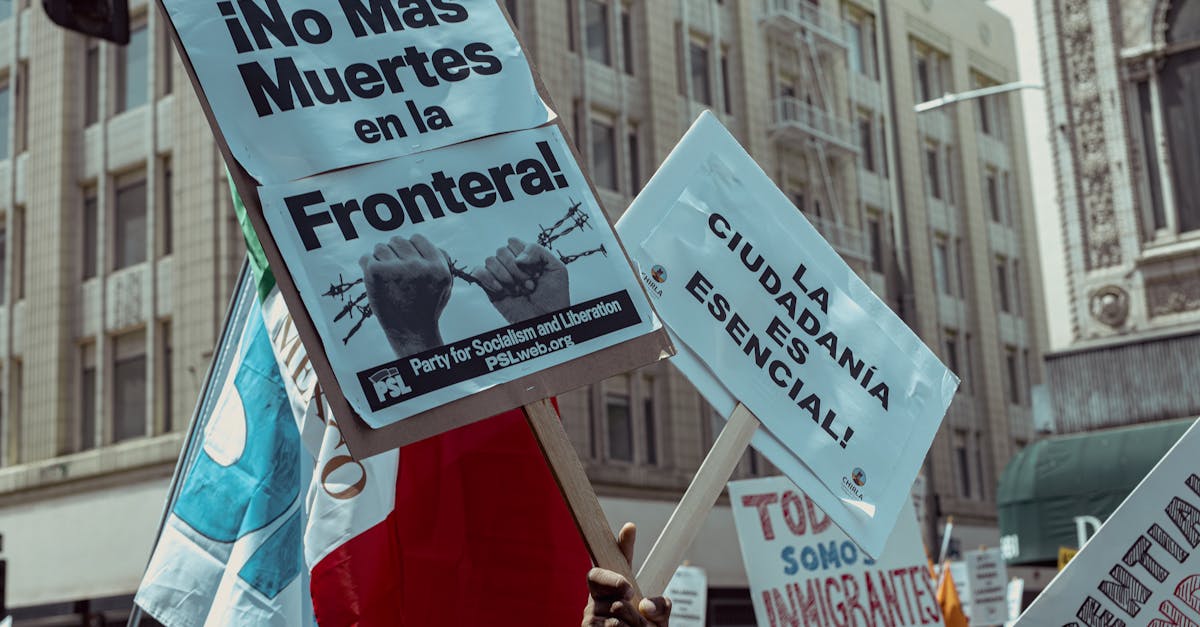
A Surprising Disconnect
Consider this: while the U.S. economy has added millions of jobs, the voices of discontent surrounding immigration have never been louder. On one hand, a robust labor market, reflected in an unemployment rate of 4.3%, suggests a nation thriving on the backs of its workforce, including immigrant labor. Yet, on the other hand, the palpable anxiety over job security, wage stagnation, and cultural change raises questions about who truly benefits in this equation.
High Hopes vs. Hard Realities
Economic forecasts have long touted immigration as a pathway to sustained growth. The projections predict that a more open policy could enhance GDP growth by an estimated 1.2% annually. However, reality often tells another story. In regions like the Midwest, once traditional strongholds of manufacturing, communities are witnessing a different tale. While cities like Los Angeles and New York bask in the benefits of diverse, immigrant-influenced economies, small towns grapple with shrinking populations and dwindling job opportunities. This disparity leads one to ponder: are we truly winning when nominal GDP rises but individual livelihoods falter?
The Hidden Cost: Wage Stagnation
Behind the sensational headlines of immigrant entrepreneurs and skilled labor is a trend often overlooked—stagnation in wages for low-skilled workers. As per BLS data, inflation remains significant at 3.8%, yet the purchasing power of many American workers has not kept pace. This discrepancy leaves lower-income individuals, including native-born workers, feeling disenfranchised. Without addressing this hidden cost, immigration may very well become a scapegoat for economic frustrations that run deeper.
Divergent Economic Experiences
Internationally, U.S. immigration policy differs significantly from that of other high-income nations. Countries like Canada have actively embraced higher immigration rates with policies aimed at smoothing integration and labor market impacts. In contrast, the U.S. faces an increasingly polarized debate—balancing economic needs against social cohesion. While the U.S. economy has shown resilience, with a resilient interest rate at 3.64%, how does this stability contrast with the rising tensions within the populace?
The Unseen Winners: Industries Thriving
Despite job market anxieties, certain sectors have thrived—technology, healthcare, and agriculture owe much of their growth to immigrant labor. The National Immigration Forum indicates that immigrants represent a substantial share of the workforce in these fields, significantly influencing innovation and productivity. Yet, those very contributions go unrecognized in mainstream discourse, as narratives often pivot toward a zero-sum game that pits natives against newcomers.
The Fork in the Road: Where Are We Heading?
At this crossroads, the U.S. faces pivotal choices about the future of its immigration policy. Will it continue to embrace a model that fuels economic growth and innovation or will it retreat into a more insular stance? With increasing concerns about labor exploitation and cultural assimilation, the question lingers: who truly benefits from the current economic paradigm? As the debate over immigration intensifies, the stakes are high, not just for migrants, but for the American economy and society as a whole. The decisive fork ahead could redefine how the U.S. leverages its immigrant population for broader social and economic progress.