Home Prices Surge Above $400,000
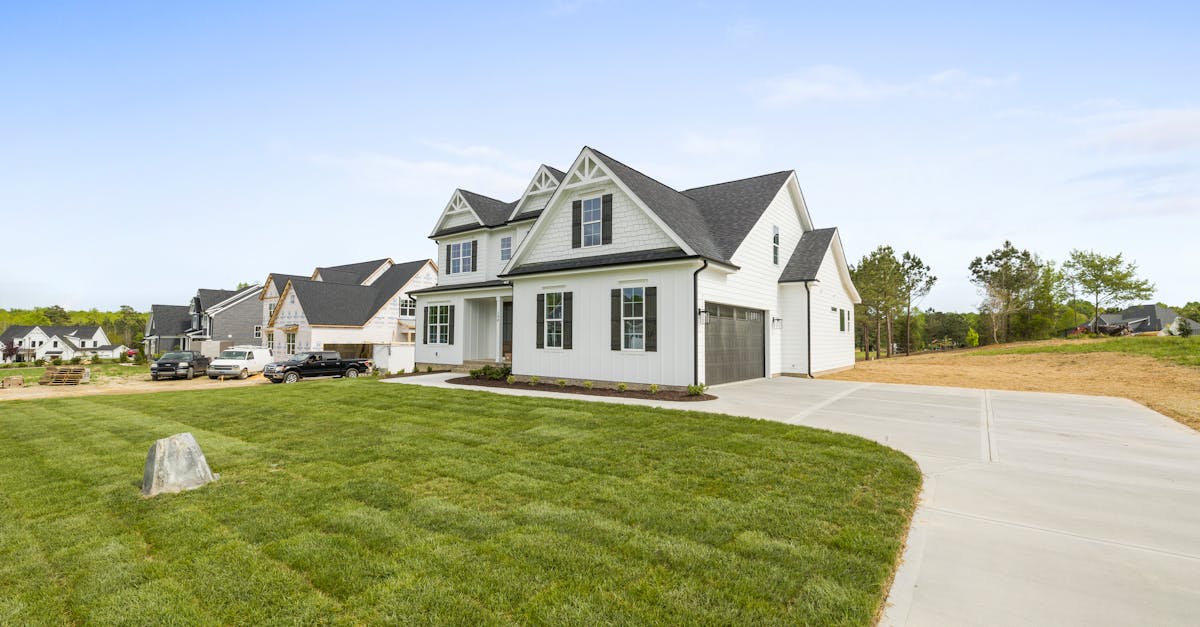
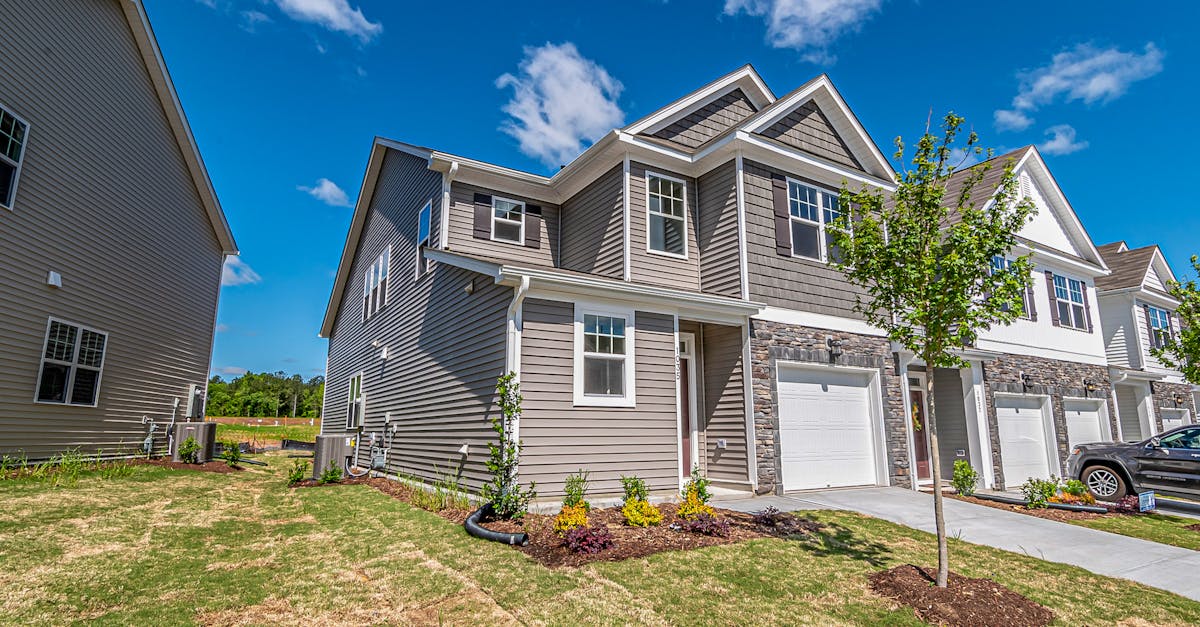
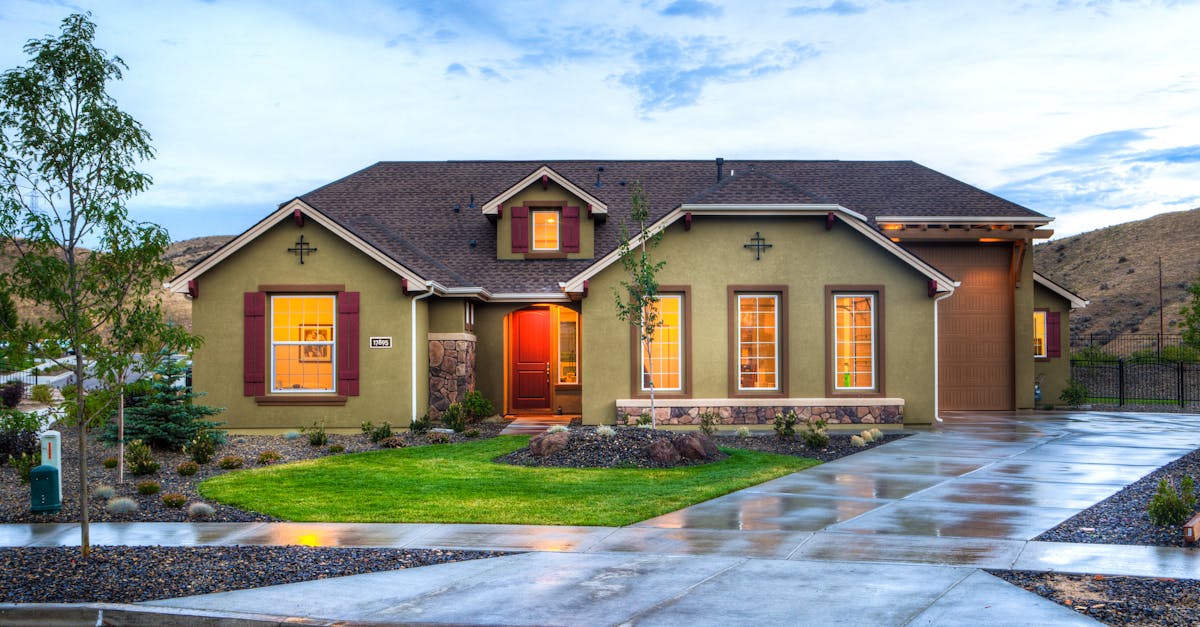
A staggering statistic puts the current median home price in the United States at $404,700 as of the latest data, a 14% increase compared to last year. This upward trajectory underscores an ongoing affordability crisis that has left many potential buyers on the sidelines, uncertain about their future prospects in the market.
Economic Influencers at Play
Several economic indicators shape this housing landscape. The Federal Reserve’s actions have notably impacted borrowing costs, with mortgage rates hovering around 7.5%, nearly double what they were two years ago. As a result, the monthly mortgage payment for a typical American home now exceeds $2,500, which not only pinches household budgets but also spirals downward into consumer spending, jeopardizing economic growth.
Supply Chain Shortages and Demographics
At the same time, a significant shortage of available homes—currently at an unprecedented low of 980,000 listings—pushes competition and prices higher. Builders are grappling with supply chain disruptions and workforce shortages, abruptly curtailing new constructions, which are down 13% year-over-year. For many, the dream of homeownership seems increasingly elusive as demand continues to outstrip the meager supply.
Rental Market Dynamics
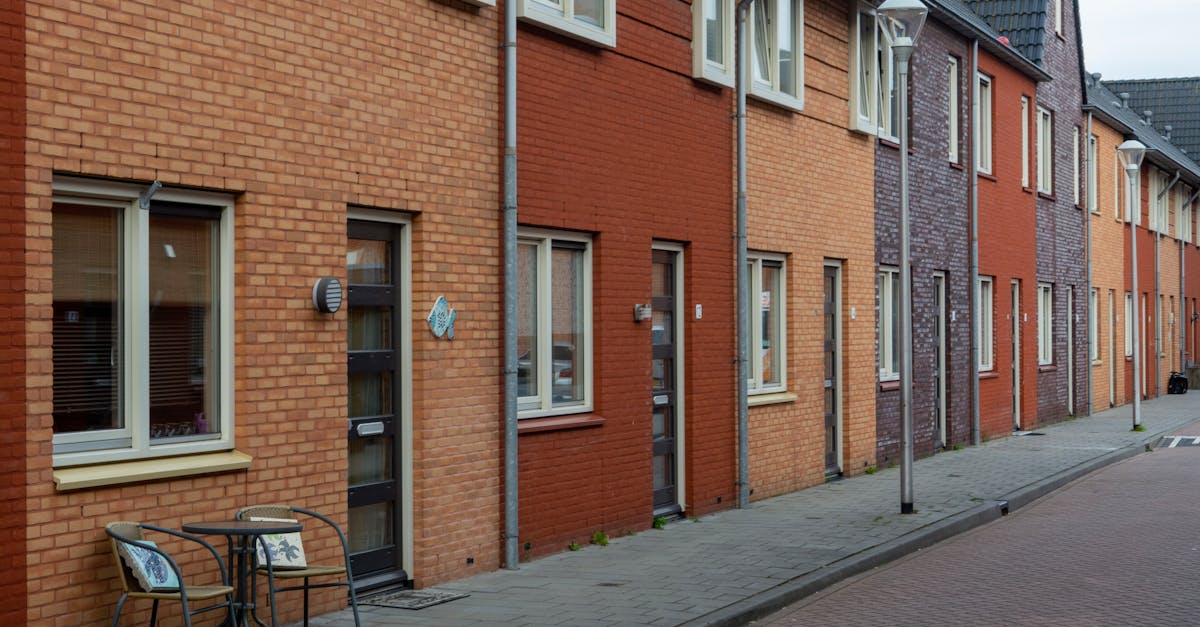
For those priced out of buying a home, the rental market offers little respite. The average rent for a two-bedroom apartment soared to $2,120, a staggering 10.6% increase compared to last year. With many Americans turning to rentals, the market is increasingly becoming a battleground where landlords have the upper hand, pushing prices ever higher.
Social Implications: A Widening Gap
This housing crisis isn’t just about numbers. The disparity in homeownership rates, particularly among racial and ethnic lines, is stark; about 44% of Black households own their homes compared to 74% of white households. The increasing price of housing potentially entrenches this divide, creating a more stratified society where wealth accrues to the few, affecting community stability and economic mobility.
Future Outlook: The Unknowns Ahead
As we look to the future, it’s unclear how the interplay of the Fed’s monetary policy and ongoing economic pressures will evolve. Experts predict that if rates stabilize or even decrease slightly, more buyers could re-enter the market, intensifying demand for the already limited supply. As that occurs, the question remains not if home prices will continue to rise, but how quickly.
The Human Cost of High Prices
For many families, the implications are profound. Increased housing costs are forcing them to make difficult decisions, whether to stretch budgets to their limits or to move away from established communities. While the numbers tell one story, the impact on individuals and families is equally critical, magnifying the urgent need for viable solutions in the housing market.
As pressures mount from all directions, homeowners and potential buyers alike find themselves at a crossroads, facing a landscape that demands rapid adaptation and innovative thinking.