The Housing Market in Flux: What $400,000 Means for Homebuyers
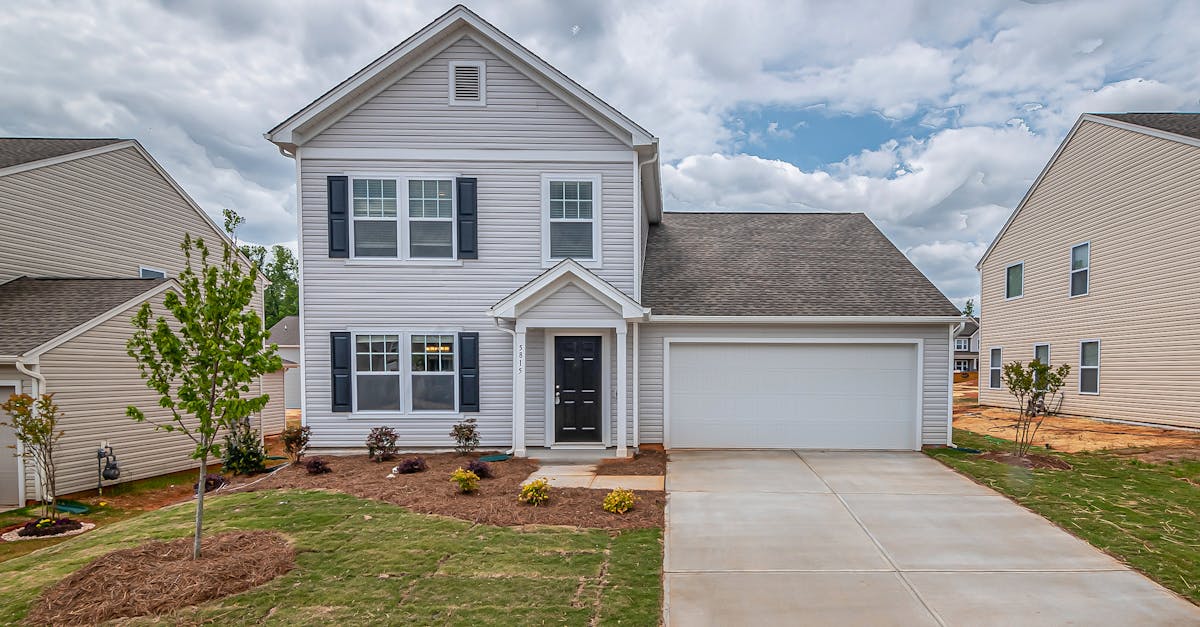
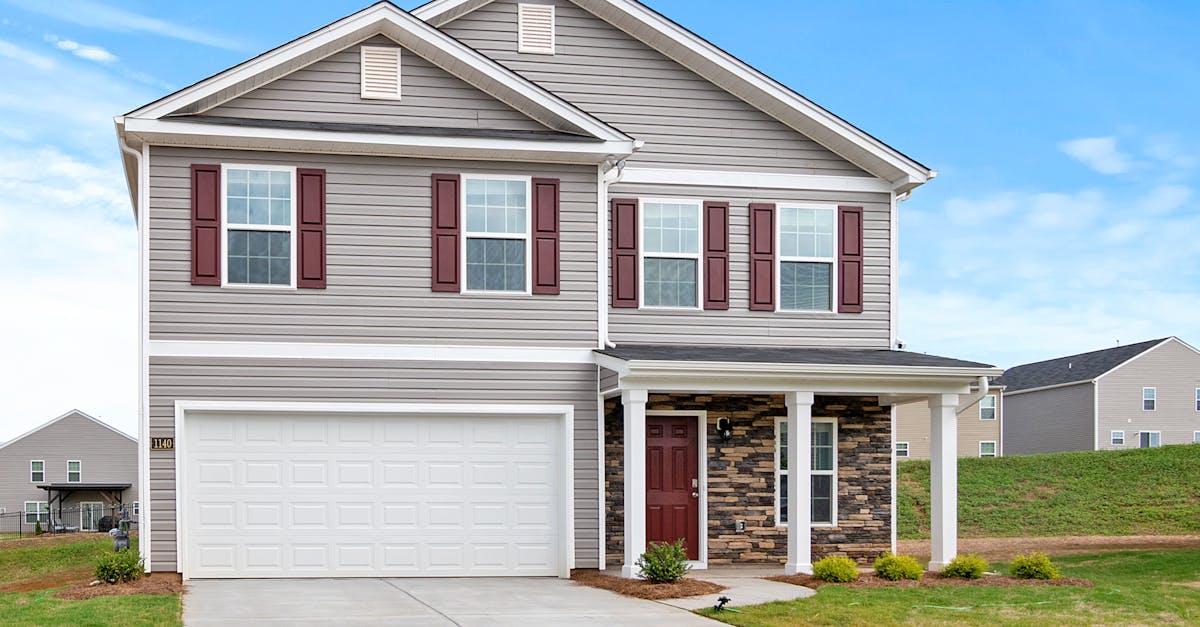
$400,000: this is the median price of a home in the United States as of September 2023, according to the latest data from the National Association of Realtors. That price marks a 10% increase from the previous year and signals a persistent upward trend in housing costs, starkly contrasting the broader economic chill observed elsewhere.
Rising home values reflect a complex interplay of factors, including a still-tight supply of homes and elevated demand. The inventory of unsold homes sits at just 2.9 months, well below the six months typically indicative of a balanced market. As a result, prospective buyers face not only higher prices but also fierce competition, sometimes resulting in bidding wars.
The Strain on First-Time Buyers
The $400,000 median home price disproportionately impacts first-time homebuyers. With rising interest rates — averaging around 7.5% for a 30-year fixed mortgage — the monthly payment on a $400,000 loan is roughly $2,800, not including taxes and insurance. This scenario strains budgets and leads many would-be homeowners to reconsider their options, including delaying their home purchase or seeking properties in less desirable areas.
Renting has become a precarious alternative, with average rental prices climbing steadily. The U.S. Census Bureau reported that median rent surged to $1,300 per month, making it challenging for many to save for a down payment while paying increasing monthly rents. The choice between buying and renting becomes even more daunting under these conditions, fostering a cycle that keeps many trapped in the rental market.
Where the Luxury Market Thrives
Interestingly, the high-end segment of the housing market is experiencing a different dynamic. According to Redfin, luxury home sales (homes priced above $1 million) have surged by 25% since last year. While lower-price tiers struggle, the wealthy continue to invest in real estate, often driven by concerns over inflation and stock market volatility. This polarization highlights a broader economic divide where homeownership becomes increasingly out of reach for middle-income buyers amid booming luxury sales.
The Implications for Economic Mobility
The rising barrier to entry into homeownership threatens long-term economic mobility for many families. With homeownership historically linked to wealth accumulation, sidelining a significant portion of first-time buyers risks entrenching economic disparities. A forfeiture of affordable housing can exacerbate social inequities, leading to a more divided society.
Moreover, the lack of affordable inventory prompts further development pressures. Steps are being taken by cities and states to provide incentives for lower-cost housing construction, but these efforts take time to materialize and often face regulatory hurdles. The broader community continues to agitate for immediate access to housing that meets the needs of diverse family structures.
What Lies Ahead?
With inflation showing signs of slowing but interest rates remaining elevated, the outlook for the housing market remains murky. Some analysts foresee a potential stabilization in prices as builders ramp up supply, while others speculate that rates may continue to climb, further squeezing affordability. The tension between prices and interest rates will determine the fate of countless aspiring homeowners in the U.S. economy moving forward.
The $400,000 price tag will serve as a crucial fulcrum in the next chapters of this evolving narrative.