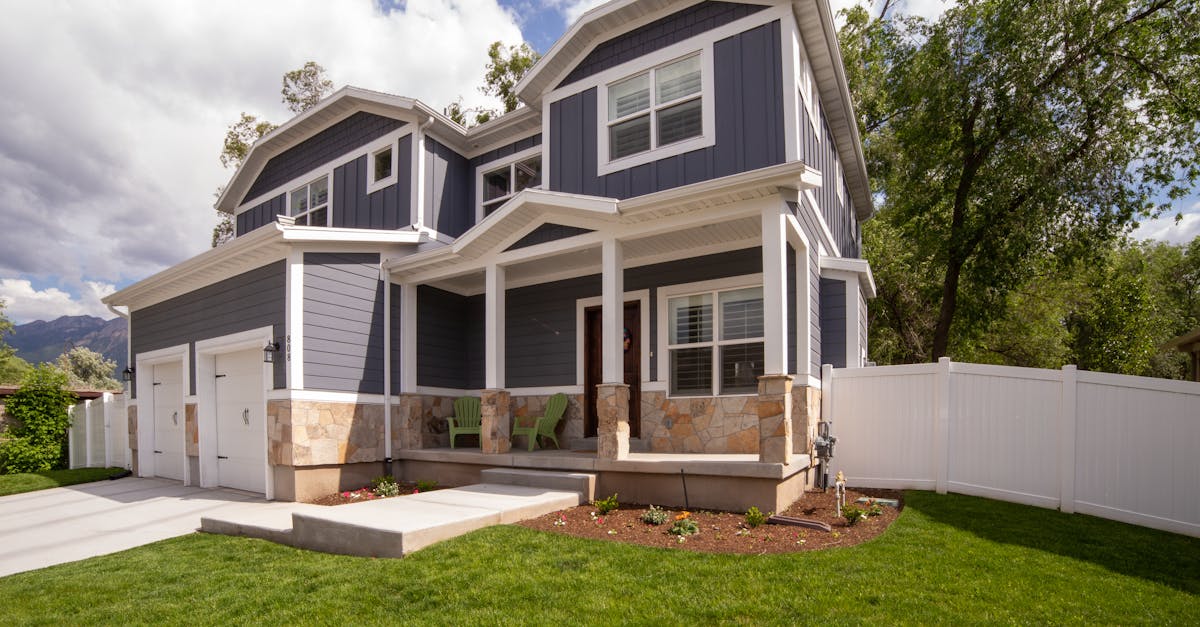
A $400,000 Median: The New Norm
As of August 2023, the median sales price of existing homes in the United States hit a staggering $400,000, signaling a watershed moment for the housing market. This figure marks a 4.7% increase year-over-year, an alarming shift fueled by a cocktail of low inventory, elevated mortgage rates, and persistent demand.
Scarcity Amid Demand
The National Association of Realtors reported that housing inventory fell to a mere 1.11 million units available for sale, a decline of 14% from the previous year. This tight supply juxtaposed with a homebuyer demand buoyed by ongoing demographic shifts, with Millennials and Gen Z seeking homeownership, creates a recipe for escalating prices. In a market already grappling with these pressures, the Federal Reserve’s aggressive interest rate hikes only stoke uncertainty.
Rates and Realities
The average 30-year fixed mortgage rate surged to 7.18% in mid-September, the highest level in over two decades, according to Freddie Mac. This substantial bump translates to a monthly payment surge of nearly $1,500 for a typical buyer purchasing a median-priced home on a standard 30-year mortgage. Many families are finding themselves priced out, simultaneously dissuaded by rising costs and struggling to secure stable housing.
Generational Impact
A generation stands at a crossroads; while Americans over 65 are seeing the largest increases in housing wealth due to rising home values, younger cohorts face steep barriers. The homeownership rate for those aged 25-34 remains hovering around 44%, significantly below the national average of 66.4%, according to the Census Bureau. This disparity reflects broader economic inequality issues, where the dream of homeownership becomes a distant mirage for many aspiring buyers.
The Psychological Toll
The psychological impact of these rising prices cannot be understated. Potential homebuyers are increasingly influenced by fears of missing the boat, leading to impulsive decisions in a high-stakes environment. A Fannie Mae survey revealed that 79% of consumers believe it’s a bad time to buy a home, a sentiment echoing the trepidation felt across a nervous market.
Local Variances and Regional Disparities
There’s no one-size-fits-all narrative in this intricate housing puzzle. While cities like Austin and Denver have seen price increases as high as 12%, others like Detroit and Cleveland languish with stagnation or drops. Such regional variations create a patchwork of market dynamics, compelling buyers to navigate a complex landscape of opportunities and pitfalls on a local level.
What Lies Ahead
As the Fed remains committed to controlling inflation, further hikes in interest rates may be on the table. This monetary tightening could amplify price volatility in an already tenuous housing market. For buyers, understanding these trends and preparing for a potentially fluctuating landscape becomes critical as they consider future investments.
Staring into the heart of the housing market, the next steps will undoubtedly unfold in a context shaped by both economic policies and individual choices.