A Trillion-Dollar Landscape
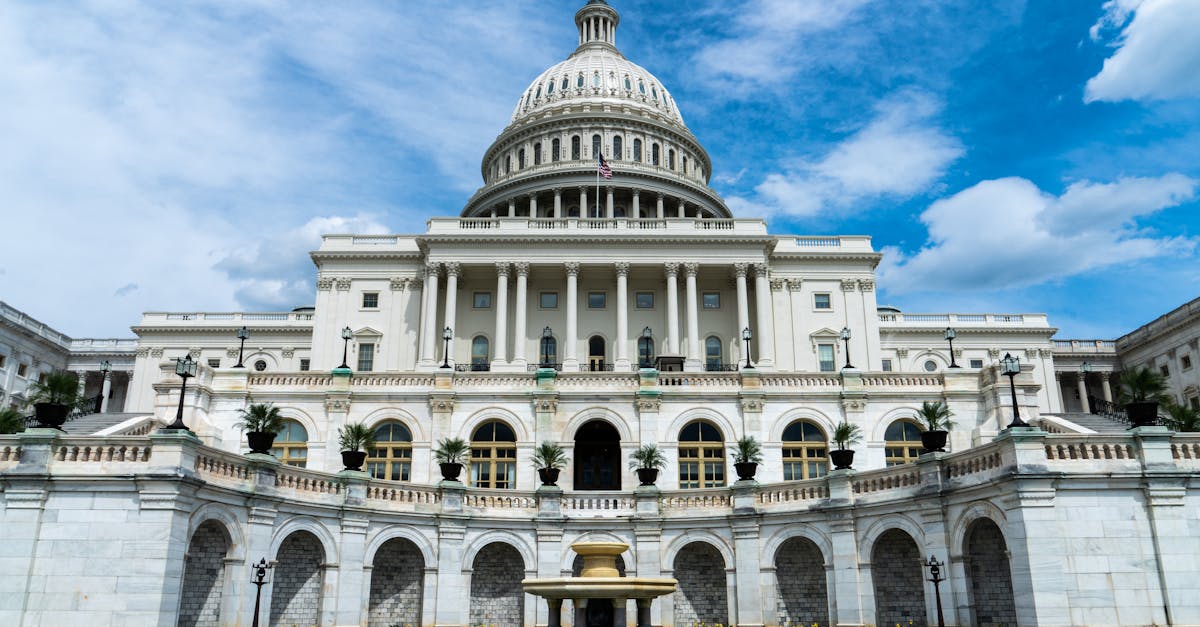
$31.5 trillion—this staggering figure represents the United States’ national debt as of October 2023, a sum that demands urgent attention. As fiscal policy shapes the economic framework for millions, this ever-looming debt equates to approximately $95,000 per citizen, prompting questions about sustainability and growth amid increasing interest rates and inflation pressures.
Navigating Economic Headwinds
Federal expenditure reached a whopping $6.16 trillion in the last fiscal year, largely driven by pandemic-related spending and social programs. According to the Bureau of Economic Analysis, this heavy outlay has played a dual role: staving off deeper recession while simultaneously contributing to a widening budget deficit that hit $1.7 trillion. With the Federal Reserve tightening monetary policy and raising interest rates to combat inflation, which averaged 3.7% year-on-year as of September 2023, the strain on fiscal maneuverability becomes more pronounced.
The Cost of Governance
On the ground, these numbers translate into significant consequences for ordinary Americans. Nearly two-thirds of federal spending is allocated to programs like Social Security, Medicare, and Medicaid, leaving less flexibility for investments in infrastructure or education. Municipalities, facing diminished federal grants, are left to navigate their own fiscal challenges, often resulting in increased local taxes or cuts to essential services, impacting quality of life.
Can We Grow Our Way Out?
As lawmakers grapple with an ever-expanding budget deficit, the prevailing strategy leans toward fostering economic growth to generate additional revenue and counterbalance the debt. The Congressional Budget Office projects that GDP growth could average around 2% annually over the next decade; however, achieving this hinges on policies that stimulate investment and address productivity issues. Without a solid growth trajectory, the national debt may become not just a statistic but a barrier to opportunity.
Expenditure Transparency
Amid these challenges, transparency regarding federal spending grows essential. Increased public scrutiny could lead to better fiscal policy construction, pushing lawmakers to prioritize efficiency over expansion. Public demand for accountability could redefine how budgets are formulated, potentially reducing waste and driving smarter investments that align with citizens’ needs.
Effects on Everyday Lives
For the average American, the fiscal situation translates into tangible outcomes: inflation may squeeze household budgets; mortgage rates continue to rise, further straining home affordability; and social safety nets could face funding uncertainty. Increased costs of living can induce real hardship, shifting fundamental choices that families face on a daily basis, from education to healthcare.
The Unknown Ahead
As the nation navigates its fiscal future, with political polarization hindering comprehensive reform, the path forward remains ambiguous. The interaction of fiscal policy and economic indicators will ultimately determine whether the country can stabilize its financial footing while promoting equitable growth.