The Family Trip: How the Dollar’s Value Shapes Decisions
Maria and Tom sit at their kitchen table, a worldwide map sprawled in front of them, debating their dream family vacation to Europe. With three kids buzzing about, the allure of pastries in Paris and gelato in Rome shapes a narrative filled with laughter and adventure. However, like countless American families, they must first reckon with the dollar’s climb—and its impacts on their budget.
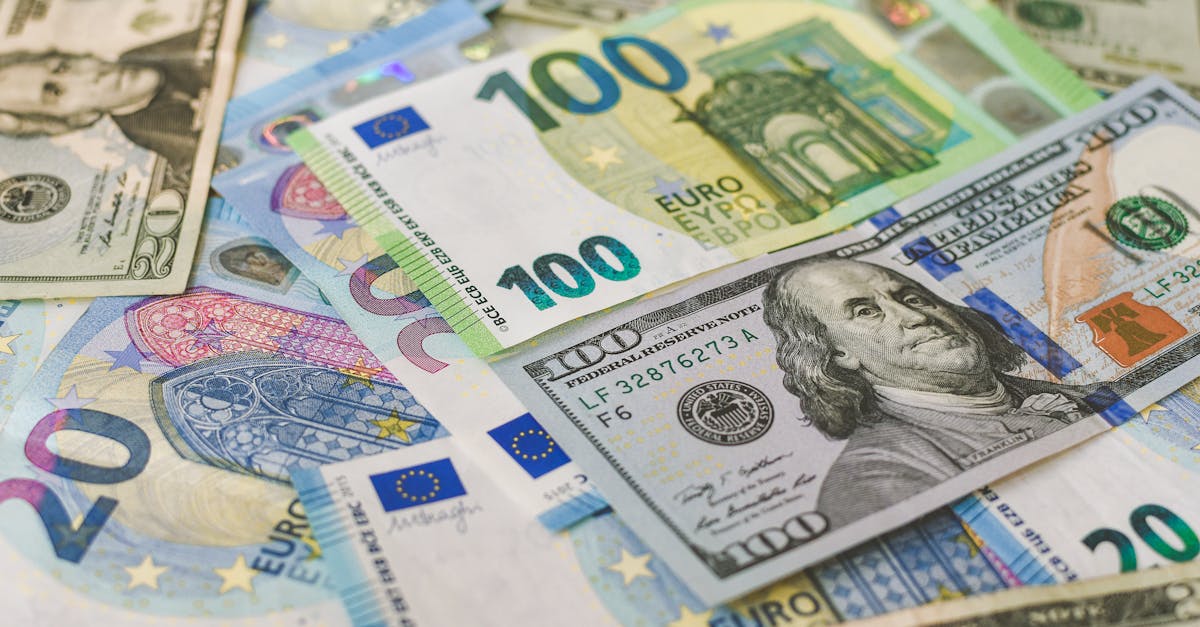
When they last discussed their vacation plans, the exchange rate stood at about 1.12 dollars to the Euro. Recently, it dipped to approximately 1.05, a shift that sounds minor but translates to a significant financial difference. For every 1,000 Euros they need—roughly the projection for a week’s expenses in food, lodging, and activities—Maria and Tom now budget about $1,050 instead of $1,120. That $70 could pay for an extra day at a museum or a nice family dinner in Florence.
The Hidden Guest: Inflation’s Weight
Inflation is a persistent undercurrent affecting their decisions as well. Recent reports indicate a year-over-year inflation rate of 4.2%. What does this mean for the Rodriguez family? Their previous trust in the family budget is shaken as costs for groceries, gas, and utilities climb. Even the price of their go-to pasta has spiked, with a box now costing nearly 10% more compared to last summer. This compressed budget reflects not just the strain on their wallet but also an ominous background against their vacation aspirations.
Against the setting of rising costs, the family checks their employment situation. With an unemployment rate of 4.3%, job security is a constant worry for Tom, who works in the tech sector. While he feels optimistic, any indication of volatility in the labor market tends to provoke cautious spending, especially when considering extracurricular activities for the kids or even that Paris trip.
Interest Rates: The Balancing Act
Next, Maria runs through their savings and loans. The interest rate sits at 3.63%, a figure that dictates their strategy like a traffic light on a busy intersection. Should they splurge now while the dollar’s worth feels favorable, or save for an uncertain future amidst rising interest expenses? Higher rates generally discourage borrowing, which could temper consumer spending across the economy—engendering a delicate tightrope for families like theirs; a twist of fate in every decision.
On one hand, a stronger dollar and lower exchange rates abroad make international travel more appealing. On the other, inflation continuously eats away at what they can afford, whether domestically or across the Atlantic. With the looming specter of increased interest rates, their dream trip might risk uncertainty if they need to tighten their belts. The thrill of planning mingles with economic anxiety, a reminder that the family’s outing is intertwined with broader economic currents.
A Return to the Table: Family Decisions in Context
As Maria and Tom finalize their plans, they breathe a sigh of relief. The global exchange rate hangs in the balance, offering a tantalizing opportunity under current conditions. That moment spent contemplating indulgent gelato might become a favored memory after all—though their journey-selling points wax and wane with the strength of the dollar.
Yet, the rich tapestry of preparation swells with the realities of budgeting amid fluctuating figures. Their story is not unique; it’s a reflection of countless families facing similar situations, evaluating what they can afford against the larger backdrop of monetary policy, market dynamics, and international relations.
As dinner wraps up and the kids settle in for the night, Maria and Tom know their dreams of European escapades rest on factors far beyond their dinner table—and whether they can indeed savor that gelato in Rome may hinge on far more than just the whims of a family adventure.