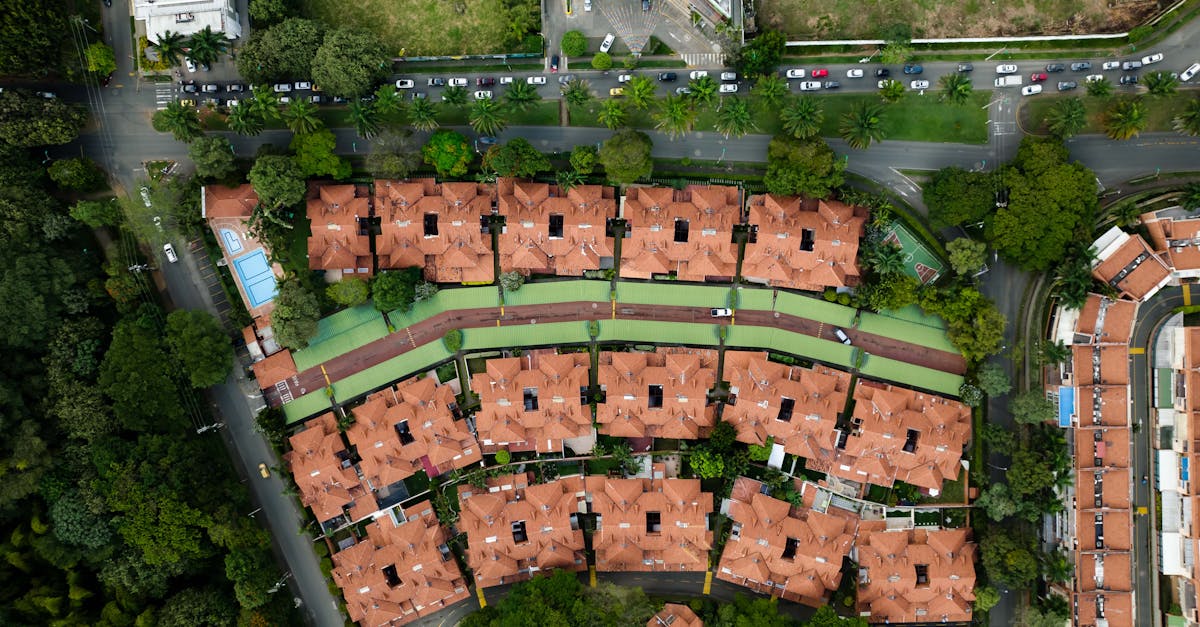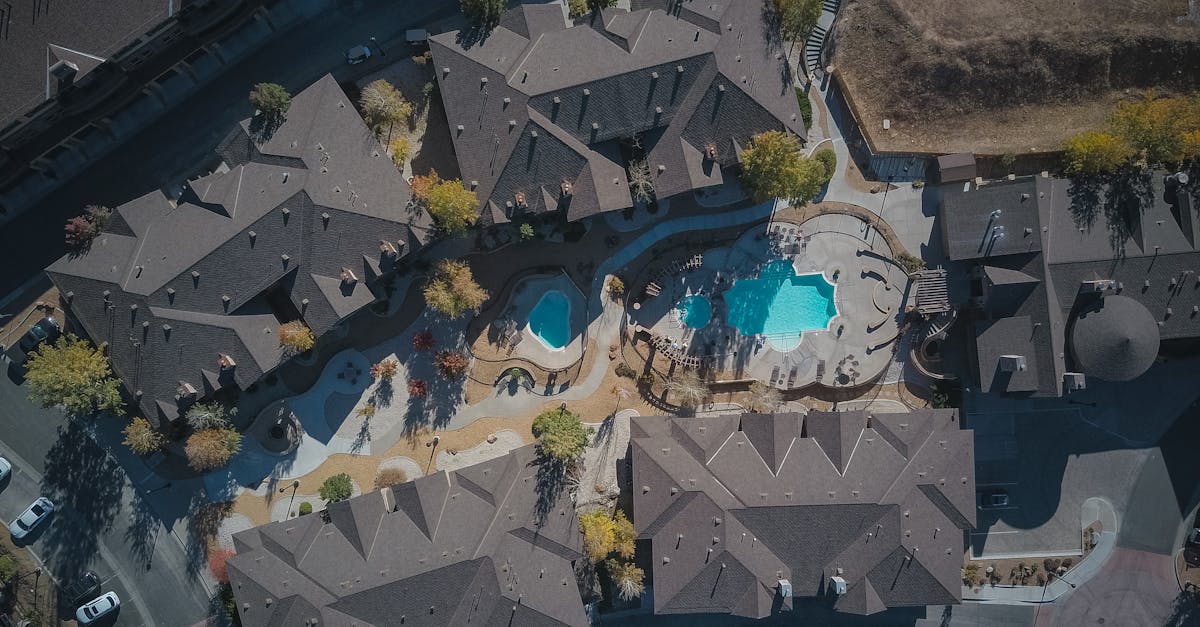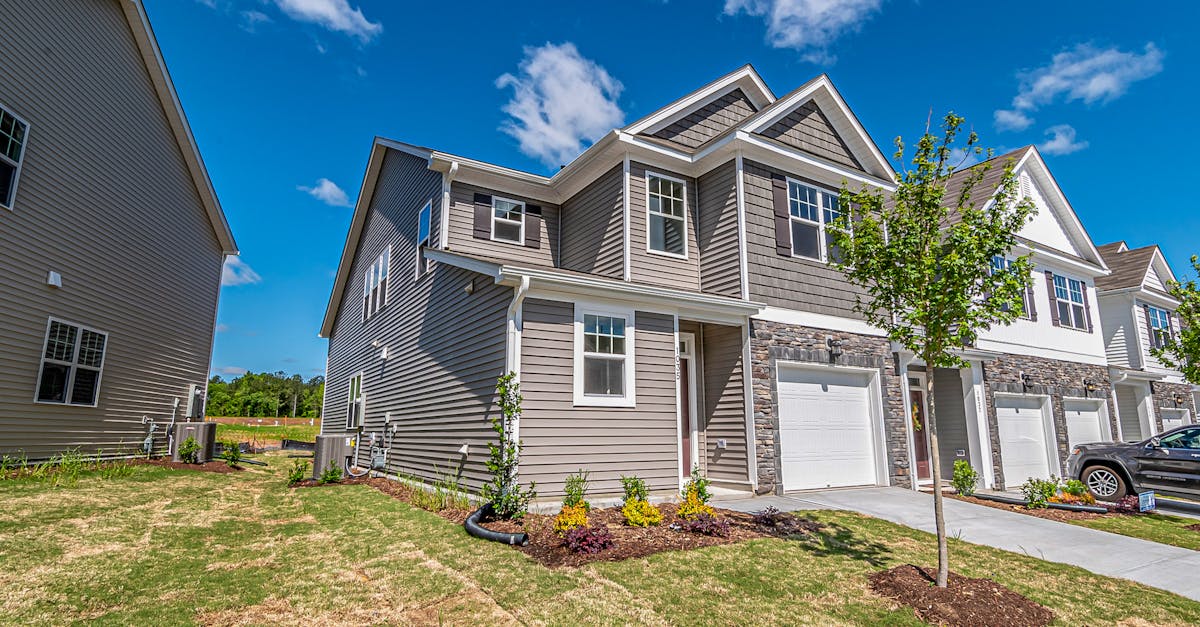
In September, the median existing home price reached an astonishing $403,800, marking a staggering 8.4% increase from the previous year. This sharp escalation encapsulates a housing market grappling with dwindling inventory while demand remains unabated, reflecting a complex economic landscape where affordability is becoming increasingly elusive.
The macroeconomic context is striking. The Federal Reserve has hiked interest rates to a range of 5.25% to 5.50% in efforts to combat inflation, yet mortgage rates have teetered above 7%, leading many potential buyers to the sidelines. A concerning juxtaposition arises as consumers weigh the persisting desirability of homeownership against soaring borrowing costs—a fragile balancing act defining today’s real estate environment.
As one digs deeper, underlying factors contribute significantly to these rising prices. The National Association of Realtors (NAR) reported that the total number of homes for sale in September fell by 12.1% over the past year, creating an acute supply-demand imbalance. High-profile homebuyers are propelled by resilient wage growth—3.8% year-over-year increases from the Bureau of Labor Statistics—which allows them to absorb higher housing costs but simultaneously stretches affordability for first-time buyers and lower-income households.
What does this all mean for everyday Americans? A closer look reveals that less than half of the U.S. population can afford a median-priced home without straining their financial resources, according to affordability indices. Renters, facing their own crisis, have seen increased rental rates averaging $2,068 per month, according to Zillow, a stark reminder that homeownership is increasingly a far-fetched goal for many.
The repercussions of this housing frenzy extend beyond mere price tags; they influence broader economic trends. As consumer sentiment remains cautious, real estate and related sectors may experience shifting dynamics. Housing affordability challenges can lead to decreased consumer spending in other categories as individuals allocate more of their income toward housing—a trend seen historically during real estate booms.
Looking at regional disparities, cities like Phoenix and Austin have been reportedly more affected, with home prices soaring upwards of 15% in some neighborhoods. Conversely, markets in Rust Belt states have been relatively stagnant, reflecting economic resilience variances across the country. This geographic divide not only raises questions about urban versus rural preferences but underscores the complexities of migration patterns as telecommuting trends continue to reshape where people choose to live.
The Federal Reserve’s decisions will have a direct impact moving forward, fostering additional challenges and opportunities. Balancing inflation control with the health of the housing market will likely remain a tightrope walk for policymakers, requiring ongoing vigilance and adaptability. In a world where rising prices continue to shape consumer behavior, the question remains: how long can this upward trajectory in housing prices endure without tipping the scales further out of reach for most Americans?