A Jaw-Dropping 60% Surge
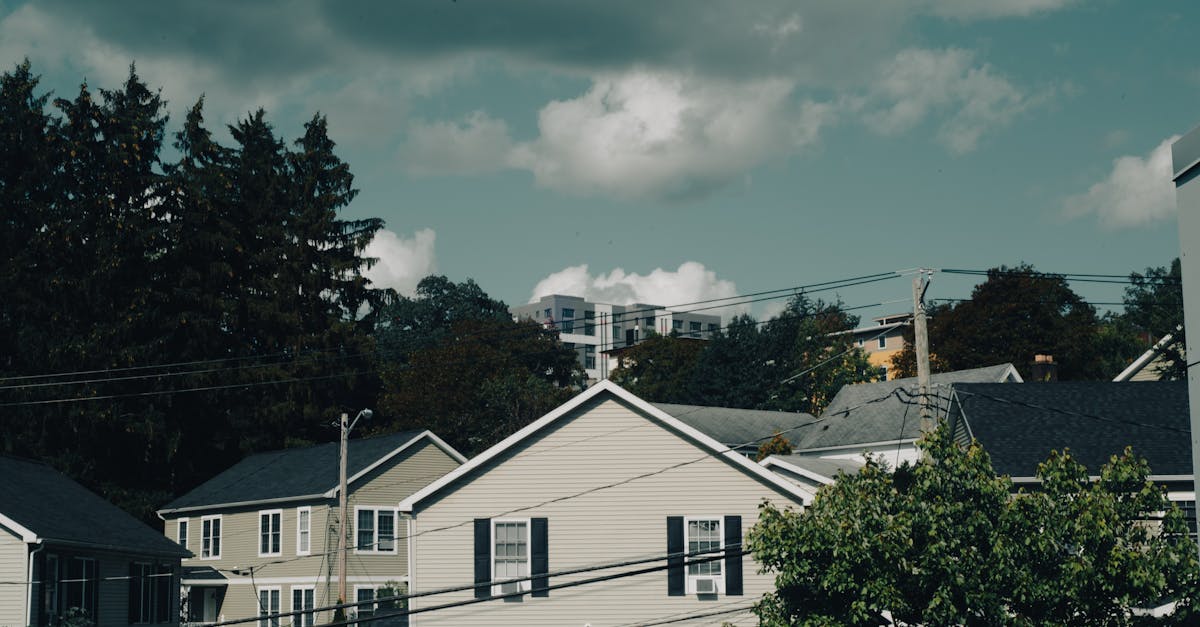
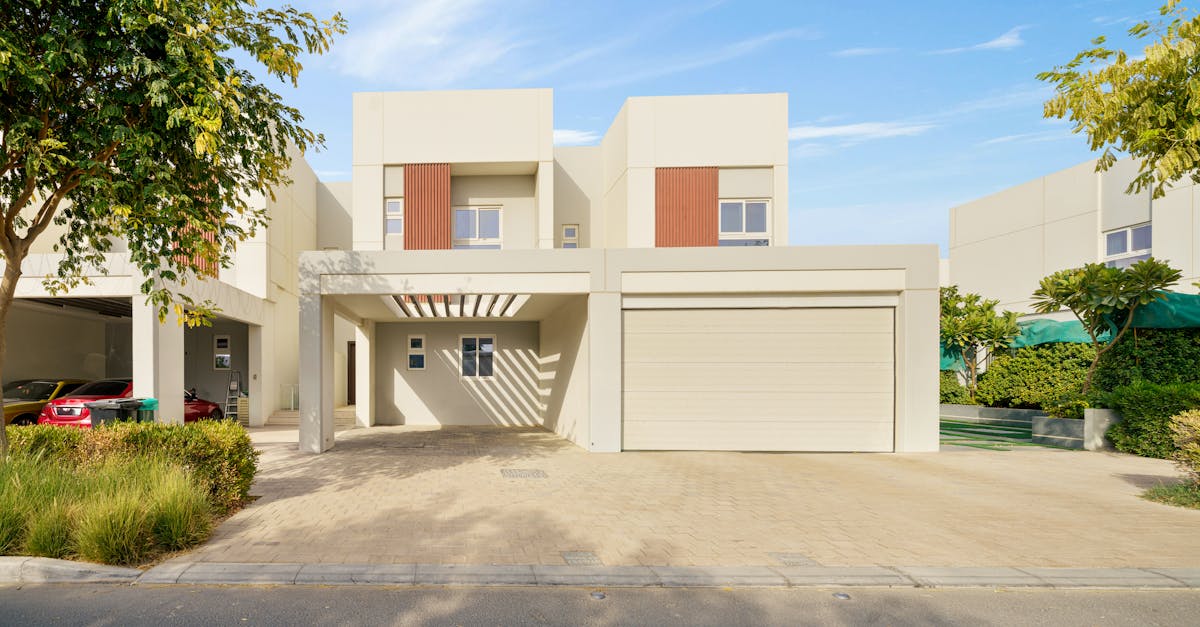
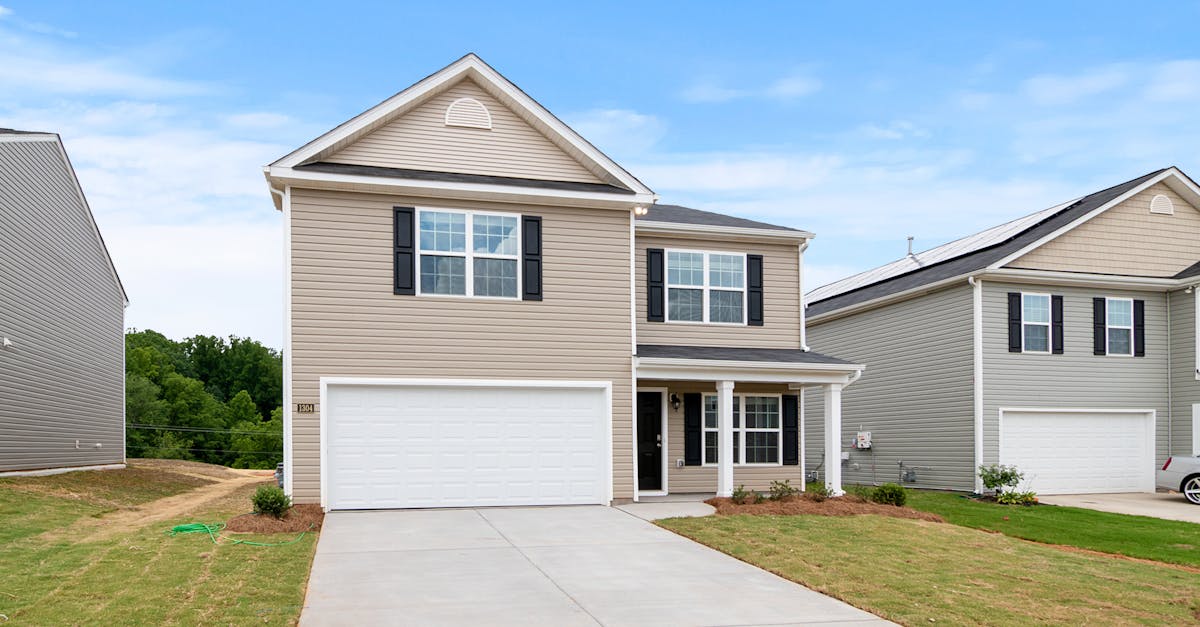
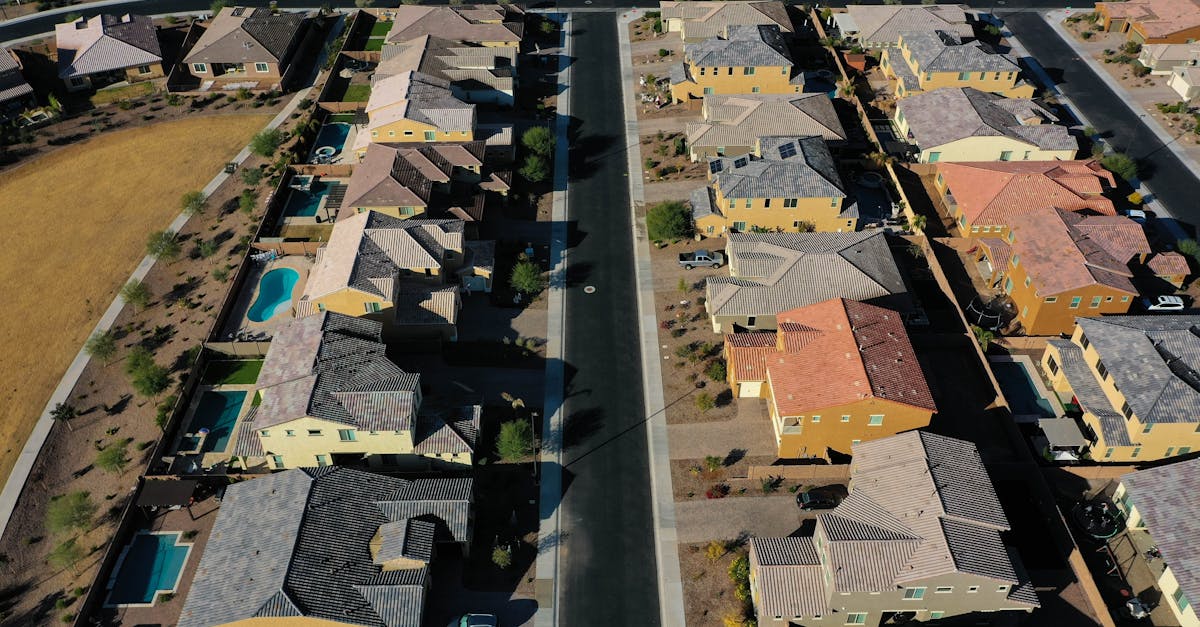
The average home price in the United States has soared by 60% over the past three years, a staggering figure that illustrates the ongoing strain within the housing market. As of September 2023, the median home price stood at an eye-watering $400,000, up from just $250,000 in early 2020.
Contextualizing the Surge
This rapid ascent in prices has been underpinned by several factors. Low mortgage rates, which hovered around historic lows of 2.65% in January 2021, fueled buyer demand, compelling many to compete for limited inventory. Even as the Federal Reserve has incrementally raised interest rates to combat inflation, which reached a 40-year high, the underlying demand for homes has remained unrelenting.
Inventory Crisis
Compounding the issue, housing inventory is down nearly 50% compared to pre-pandemic levels. According to the National Association of Realtors, there were just 1.08 million homes available for sale as of August 2023, creating fierce competition among buyers. This squeeze on supply has led to bidding wars and often resulted in homes selling for tens of thousands above asking price, pushing prices even higher.
Impact on First-Time Buyers
For first-time homebuyers, entering the market feels increasingly impossible. With median household income at $70,000, the 30-year fixed mortgage payment on a $400,000 home sits at approximately $2,500 — a staggering 42% of monthly income for many households. This reality has constrained young families and individuals, pushing them toward renting, while simultaneously driving rental prices up.
Renters Under Pressure
Rent prices are also experiencing an inflationary spiral, with the national average reaching around $2,000 per month. Demand from would-be homebuyers has intensified rental markets, resulting in a year-over-year increase of 12% in rents. Just as home prices strangle buyers, escalating rents are squeezing the existing tenant base, stretching budgets and financial stability to the brink.
The Broader Economic Picture
This housing fervor feeds into the broader U.S. economy, contributing to inflationary pressures. The Federal Reserve’s efforts to control inflation through interest rate hikes could cool the housing market, but any slowdown might also slow economic growth and employee wage increases. Thus, a delicate balance exists: curb inflation without triggering a recession.
Community at a Crossroads
For many communities, the gaping disparity in housing costs has direct consequences. Areas that once offered affordable living are now becoming enclaves for the affluent, altering the cultural fabric and accessibility for lower-income families. Education systems, healthcare, and transportation could see strain as populations shift, driven by the search for affordability.
What Lies Ahead?
As the Fed continues to tune its monetary policy, the long-term trajectory of housing prices remains uncertain. Will increased interest rates eventually cool the market, or will persistent demand keep prices elevated? The interplay between buyer sentiment, economic conditions, and housing supply will determine the next chapter of this multifaceted saga.