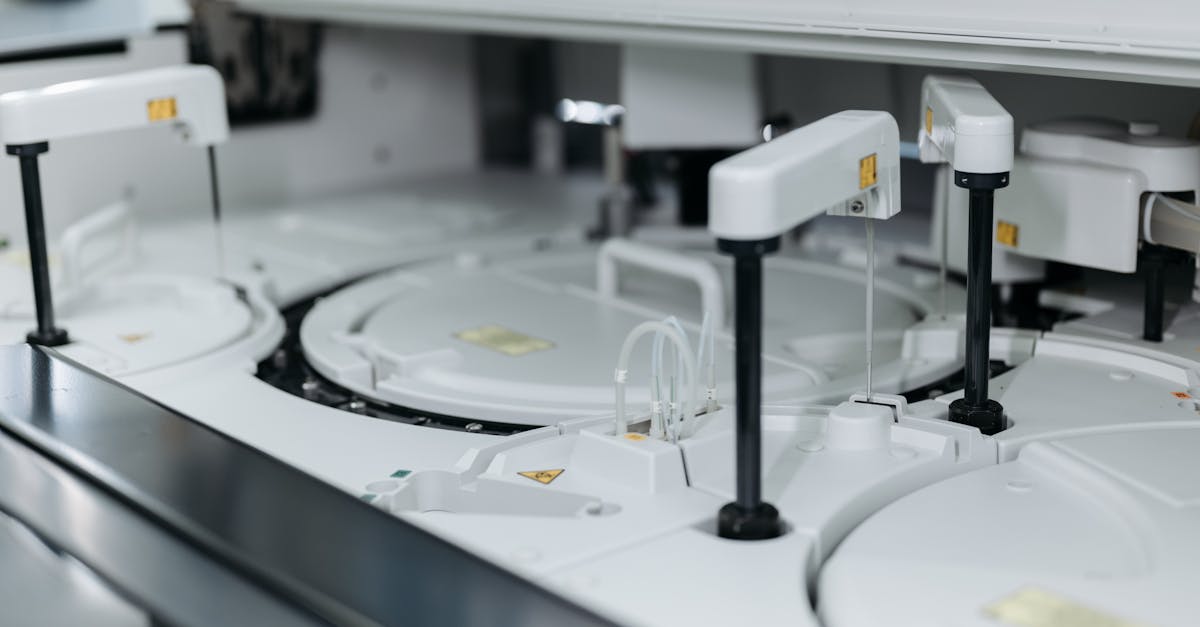
The Surge in R&D Investment
Americans are pouring an unprecedented $721 billion into research and development this year, a remarkable leap of 5.4% over 2025 levels. While inflation hovers at 3.8%, the growth in R&D stands as a testament to the nation’s commitment to innovation even amid economic uncertainties.
A Global Leader Amidst Turbulence
In a climate where many nations grapple with stagnant growth, the United States remains a dominant force in R&D spending. Comparatively, China followed closely behind at approximately $563 billion, still lagging by nearly 29%. This stark contrast emphasizes America’s ongoing advantage in fostering groundbreaking advancements. Many European nations reveal a less striking commitment, with Germany at around $140 billion and France at about $73 billion.
Driving Forces Behind Increased Funding
Corporate giants, including tech titans such as Apple and Google, are leading the charge. Apple’s R&D funding alone surged to $27 billion in 2025, emphasizing a relentless pursuit of technological advancement, whether in artificial intelligence or healthcare innovation. Google’s expenditure reached $31 billion, with a strategic focus on AI and machine learning. Together, these investments not only bolster the companies themselves but also fuel advances across industries, creating ripples that extend throughout the economy.
Moreover, government initiatives have played a critical role. With the Biden administration advocating for an increase in R&D funding by nearly 15% in its budget proposal, federal investments are expected to enhance the technological landscape significantly. This approach is reflected in the anticipated $15 billion allocated for semiconductor R&D in response to global supply chain issues.
Challenges on the Horizon
While this backdrop of growth paints an optimistic picture, it is tinged with concerns surrounding the availability of skilled labor and the growing competition from emerging markets. Unemployment, currently standing at 4.3%, indicates a tight labor market, which could complicate firms’ efforts to attract and retain the talent crucial for innovation. An economically constrained workforce might struggle to meet the accelerated demand for expertise in high-tech fields.
Additionally, with interest rates at 3.64%, companies face increased borrowing costs, which might divert some of that newfound R&D enthusiasm towards managing financial metrics. As businesses adjust to higher interest rates, the strategic allocation of resources will be paramount. Balancing R&D expenditures with operational stability could become a tightrope walk for many firms.
The Innovation Ecosystem: A Complex Web
R&D spending is vital not only for individual companies but for nurturing the broader innovation ecosystem. Startups increasingly rely on established firms’ surplus R&D budgets to catalyze their growth. This symbiotic relationship has led to a burgeoning landscape of innovation hubs centered around universities and tech companies, with places like Silicon Valley and Boston remaining focal points of creative brilliance.
As American industries push boundaries, sectors such as biotechnology, renewable energy, and artificial intelligence are poised to redefine traditional paradigms. The potential economic impact is staggering, with estimates suggesting that advancements in these fields could add trillions to GDP over the next decade while also addressing pressing social issues like climate change.
A Vision of Tomorrow
As innovation continues to thrive amid economic fluctuations, the potential for breakthrough discoveries is promising. America stands at a crucial crossroads: the pursuit of the next technological revolution could lead to faster growth, higher employment, and sustainable solutions to complex problems. The road ahead beckons with opportunities, presenting a landscape where adaptability and foresight will determine not just corporate success, but the overall trajectory of the economy.