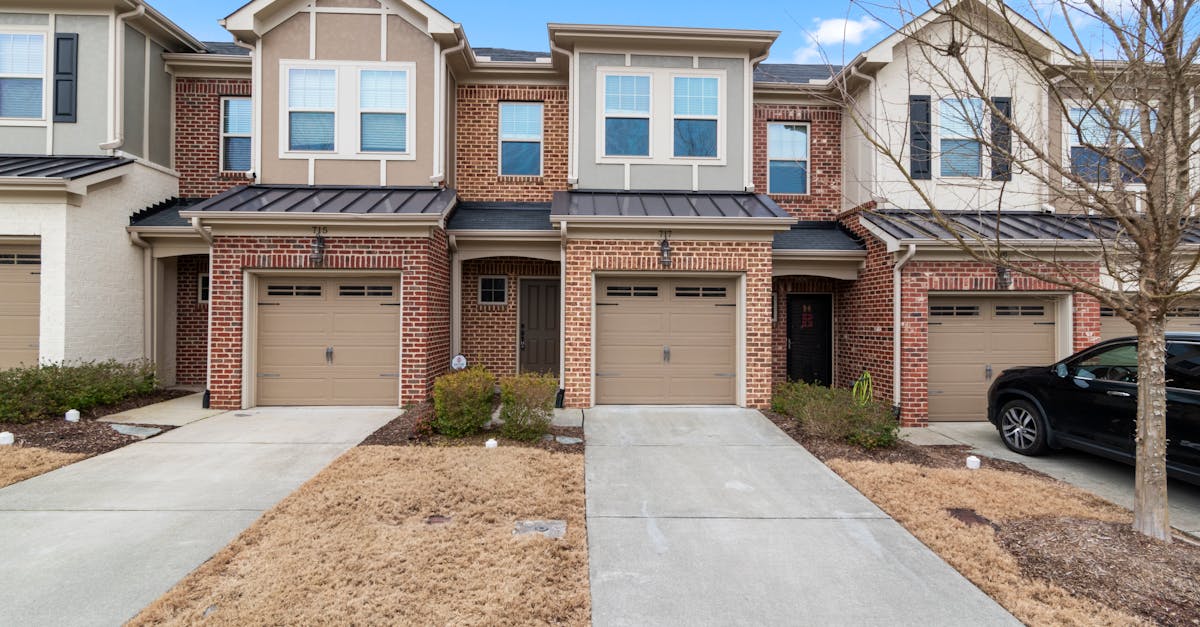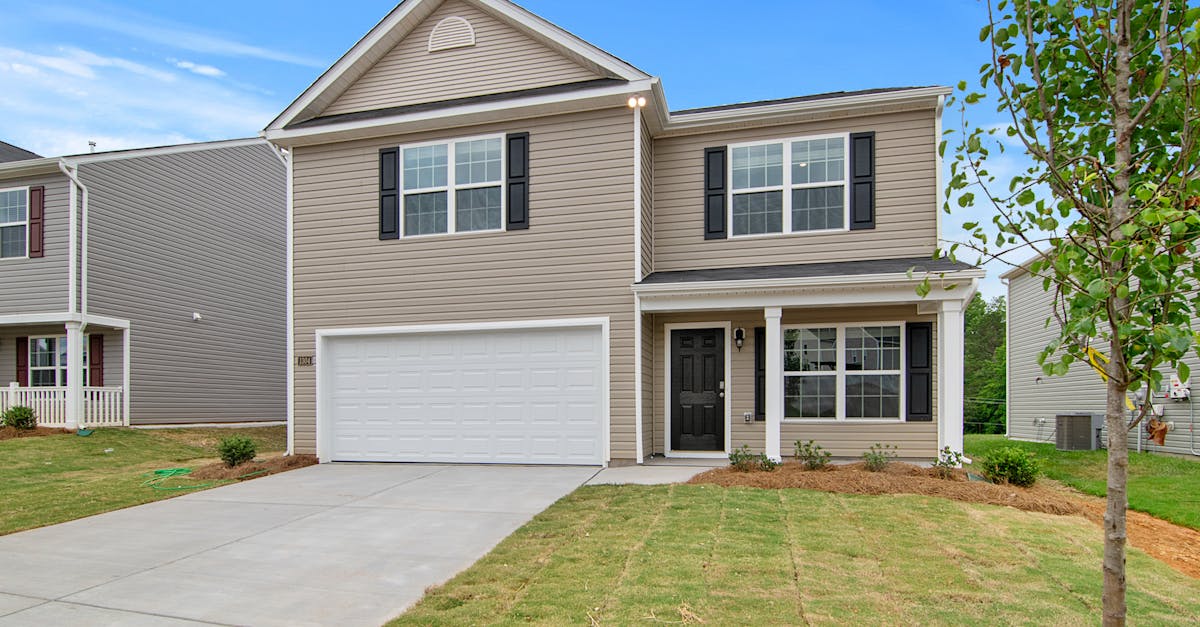
$403,100.
That’s the median sales price for existing homes in the U.S. as of September, representing a staggering 8.4% increase year-over-year, according to the National Association of Realtors. Such figures place housing affordability at a premium, leading many Americans to reconsider their financial commitments and living arrangements.
The overall housing market is currently experiencing two key dynamics: soaring prices and dwindling inventory. In September, unsold homes on the market reached a mere 1.1 million, a decrease that translates into a 3.6-month supply at the current sales pace—far below the balanced market indicator of 6 months. This stark lack of inventory forces potential buyers into bidding wars, often leading to offers well above asking prices and extending the already tight affordability margins for many families.
With homes now appreciating at rates far exceeding wage growth, a substantial segment of the population faces barriers to home ownership. The median household income, as reported by the U.S. Census Bureau, stands at approximately $70,784. When measured against the average monthly mortgage payment—which has surged to around $2,300 as of September according to Freddie Mac—many first-time buyers find themselves priced out of the market.
Renters are not escaping the turmoil either, as rental prices have skyrocketed in parallel with home prices. The Census Bureau reports that the average rent has hit $2,059, making it daunting for many to save for a down payment while managing monthly renting expenses. A significant portion of income is now directed towards housing costs, leaving little room for other necessities or savings.
In urban areas and particularly in states like California and Texas, the disparity is even clearer. San Francisco’s median home price is over $1.5 million, pushing many to consider living further out or in less desirable neighborhoods. Similarly, Austin, once known for its affordability, has seen prices leap by nearly 12% in just a year, with the median home now above $600,000.
Interest rates, which reached a two-decade high at 7.3% for a 30-year fixed mortgage, exacerbate the affordability crisis. This environment has led potential homeowners to either stay put or wait for more favorable market conditions, creating a feedback loop that contributes to further scarcity. The Federal Reserve’s recent actions to combat inflation signal that higher rates are here to stay, likely keeping demand subdued in the immediate future.
Amid these pressures, the discussion centers around potential policy interventions aimed at increasing housing supply. Both state and federal governments are debating incentives for new construction and regulatory changes to ease zoning restrictions. A more proactive approach is crucial if the dream of home ownership is to remain attainable for younger generations amidst steep and escalating costs.
As the housing crisis unfolds, market participants—from individual buyers to policymakers—will navigate a landscape fraught with challenges and opportunities that remain to be explored.