The American Dream: Stock Markets and Family Futures
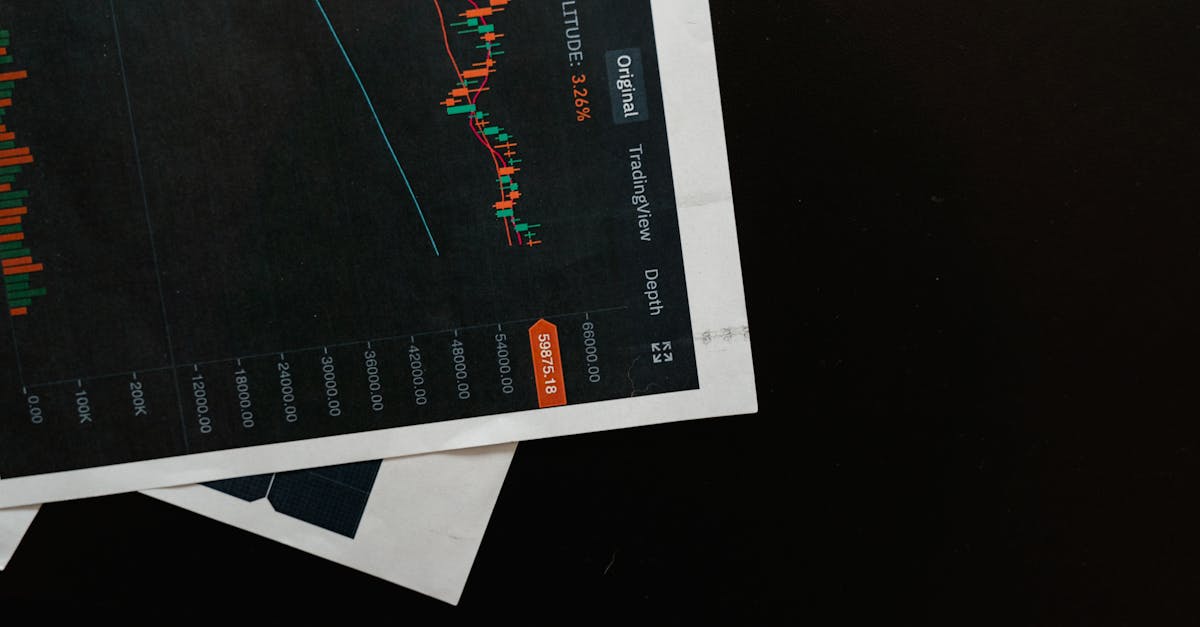
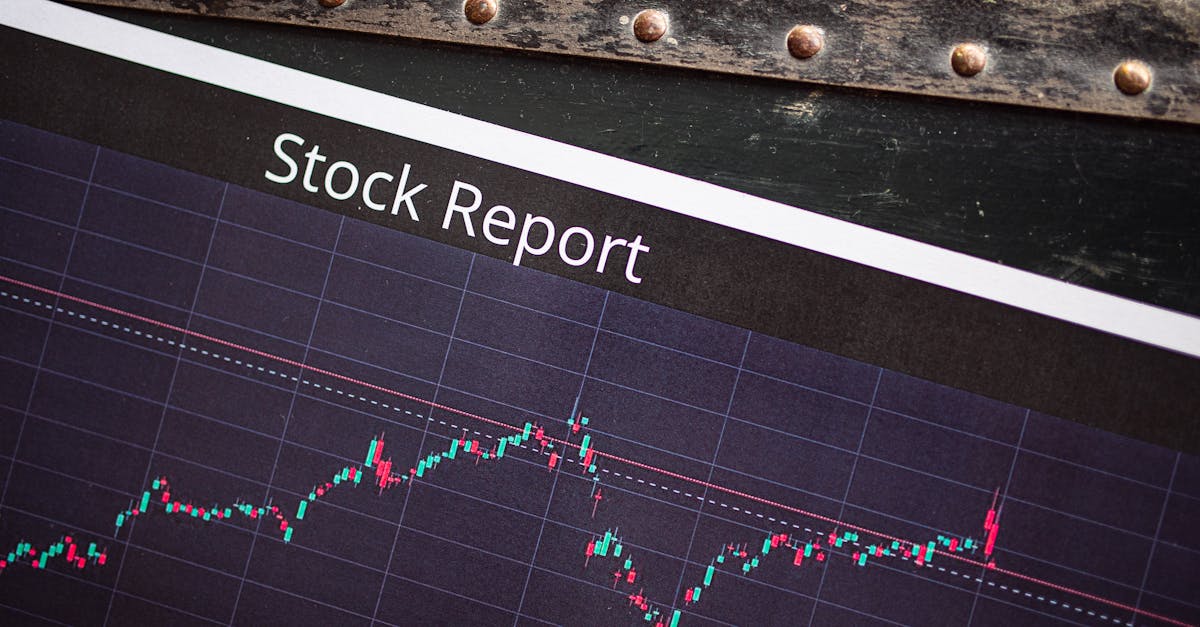
When the Johnson family sat down to dinner last Friday, they had more than just meatloaf on their minds. As they passed around the mashed potatoes, conversations fluttered from summer vacations to their retirement savings—a topic made increasingly relevant by the recent fluctuations in the stock market. The family’s modest investments had soared, thanks in part to the Dow Jones Industrial Average reaching heights that mirrored the post-pandemic rebound, leaving the Johnsons feeling like they’d finally captured a slice of the American Dream.
Fast forward to that same evening: their neighbor, half-heartedly flipping through a financial news channel, caught snippets reporting on a stock market that had gained 20% since the previous year’s lows. This rise was a stark contrast to the backdrop of broader economic struggles; inflation, according to the Bureau of Labor Statistics, had settled at 4.2%. Despite inflation’s persistent grip on food and gas prices, the Johnsons couldn’t help but feel buoyed by their investments. They were part of a narrative that pointed to a recuperating economy—albeit with some rough edges.
Up and Down: The Tug of War with Inflation
For the Johnsons, local grocery prices began to mirror trepidation amidst the optimism. Eggs that once cost them a dollar per dozen now demanded $2.64, a staggering increase that had the family revisiting their grocery list. This painful effect is echoed across the country; families everywhere are faced with the dual challenge of inflation and wages that aren’t keeping pace. While their stock portfolio was on an upward trajectory, the sting of inflation still pinched hard, affecting monthly budgets.
Just around the block, Mrs. Thompson, a local florist, reluctantly discussed her rising expenses with a fellow mom during a school pickup. With flower prices rising and her profit margins tightening under a 3.63% interest rate from the Fed—a rate not seen since the post-recession period of the early 2010s—she felt caught between maintaining her dream of an entirely self-owned business and the daily financial realities.
Despite the challenges, the stock market offered her a beacon of simplicity and opportunity. Investing an ounce of capital in her retirement fund instead of all her savings in the florist shop had, for her, grown substantially as the S&P 500 climbed steadily over the preceding months. As she watched her investments flourish, Mrs. Thompson’s heart warmed, reinforcing her decision to engage with this volatile yet potentially rewarding financial avenue.
Workers as Investors: The Shifts in Mindset
Meanwhile, at the Johnson household, their college-aged daughter, Lily, excitedly shared news from her university economics class. “Did you know,” she said, “that the stock market essentially reflects people’s confidence in the economy?” The numbers danced on the screen of her laptop as she illustrated how, despite a modest unemployment rate of 4.3%, those who are fortunate enough to invest witnessed their savings bloom.
Reflecting on her parents’ experiences, Lily’s enthusiasm burgeoned. She realized that engagement in the market could provide some level of security in uncertain economic times. Little did she know, her family’s mundane conversations over dinner represented a microcosm of a broader economic landscape—a landscape where families grapple with rising costs but still find remnant hope in their investment strategies.
Coming Full Circle
As the evening wound down and dessert beckoned, the Johnson family envisioned the future: could the rising stock market provide them with the financial weight to travel more or assist Lily with her college expenses? The duality of reality pressed in on them: inflation gnawed fiercely at their purchasing power, yet the potential of stock equity signaled a brighter horizon.
Their dinner table discussion was emblematic of thousands like them, where dreams are interwoven with the complexities of an evolving economy. For the Johnsons, and many other families, the stock market remains not just an abstract financial forum, but rather, a crucial thread in the fabric of life experiences—from retirement planning to college funds, interlinked through fluctuating values and daily struggles. As they finished dessert, the aroma of possibilities lingered, as vibrant as the flowers in Mrs. Thompson’s shop next door.