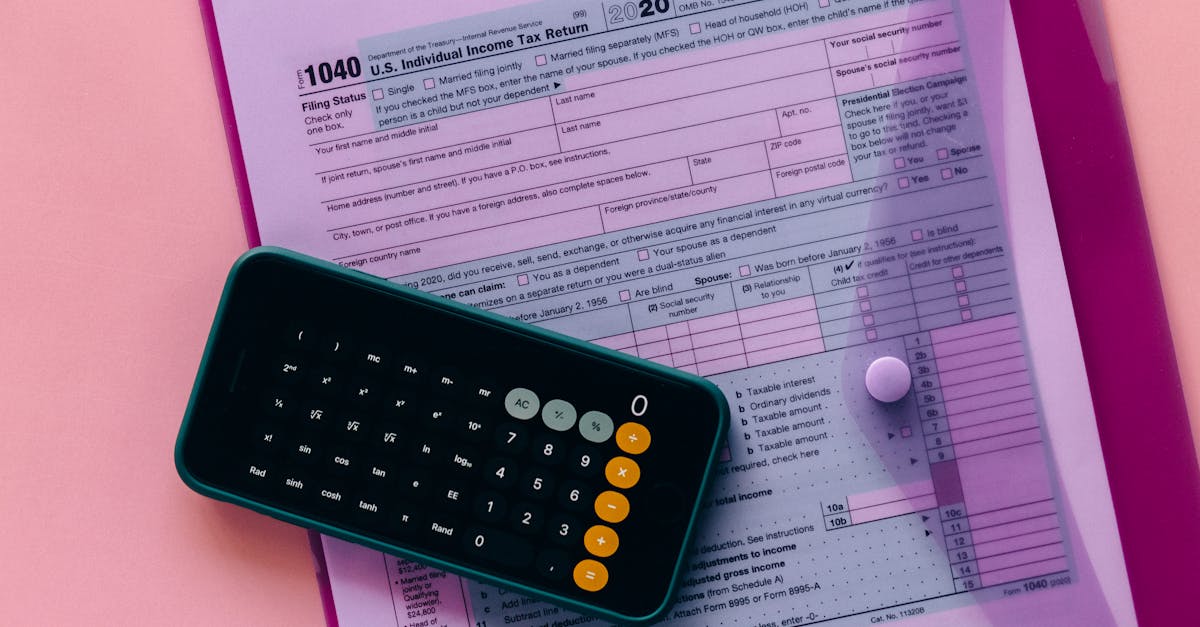
Current Situation and Latest Data
The U.S. tax system operates on a complex framework consisting of federal, state, and local taxes. According to the Tax Policy Center, in recent years, federal revenues have primarily been generated from individual income taxes, which accounted for about 49% of total federal revenue in 2023. In contrast, corporate income taxes made up approximately 7% of total revenues, reflecting a long-term downward trend.
As of February 1, 2026, inflation stands at 2.4%, according to the Bureau of Labor Statistics (BLS). This moderate level of inflation suggests a relatively stable economic environment, although it still raises concerns about real income and purchasing power for taxpayers. Additionally, the BLS reports an unemployment rate of 4.4%, which indicates a labor market that has rebounded in part due to various fiscal and monetary policies, including tax strategies aimed at stimulating growth.
The Federal Reserve’s interest rate, currently at 3.64%, also plays a pivotal role in shaping taxpayer behavior. Higher interest rates can discourage borrowing and spending, influencing how individuals manage their tax obligations and invest.
Recent Trends and Developments
In recent years, the U.S. tax system has witnessed several significant reforms, such as the Tax Cuts and Jobs Act of 2017, which reduced corporate tax rates from 35% to 21%. Legislators aimed to incentivize business investments and spur economic growth. However, the long-term impacts of these changes are still being debated.
Moreover, there have been increased discussions around wealth taxes and proposals to adjust capital gains taxes, aiming to address income inequality. These issues have gained traction amid rising public concern about wealth concentration.
Comparison to Other Countries
When comparing the U.S. tax system to those of other OECD countries, the U.S. typically has lower average corporate tax rates but higher personal income taxes among developed nations. According to OECD data, the average corporate tax rate in OECD member countries is around 23%, while in the U.S., it stands at 21%. However, the U.S. personal income tax system can impose effective rates exceeding those in some countries, particularly as one moves into higher income brackets.
This difference reflects cultural and political attitudes towards taxation and social welfare, with many European nations opting for more progressive income tax structures to support broader social safety nets.
Data Insights from BEA and BLS
The Bureau of Economic Analysis (BEA) contributes important insights regarding how tax policy affects economic growth. The BEA noted an ongoing correlation between reduced tax rates and gains in GDP growth rates following the 2017 reforms. This indicates that tax policy can significantly influence economic patterns, although the establishment of a direct causative link remains complex.
Additionally, BLS data concerning wage growth and employment trends illustrates rising wages in lower-income brackets, suggesting that tax credits, such as the Earned Income Tax Credit, are helping low-income earners retain more disposable income, thus reinforcing consumer spending.
Practical Implications for Citizens
Understanding the intricacies of the U.S. tax system is crucial for citizens as it directly impacts their personal finances. For taxpayers, the effective management of their tax liabilities has implications for savings, investments, and overall economic well-being.
As inflation and interest rates fluctuate, individuals should consider how these economic variables might affect tax obligations and financial planning strategies. For instance, high interest rates can mean higher costs of borrowing, influencing decisions around significant purchases such as homes.
In summary, the U.S. tax system continues to evolve, reflecting broader economic trends and societal changes. Keeping informed about these changes empowers citizens to make better financial decisions, ultimately contributing to their economic resilience.