Navigating a Winter of High Energy Costs
Consumers across the United States are facing an alarming reality this winter: energy prices are up a staggering 20% compared to a year ago, pushing household expenditures on heating and electricity to new heights. This leap comes at a time when inflation sits at 2.4%, as reported by the Bureau of Labor Statistics, making it even harder for families to maintain their standard of living
Comparing the Costs: A Global Perspective
Energy prices in the United States have climbed past levels seen in other major economies. In contrast, European energy prices, while high, are not soaring at the same rate due to their diverse energy mixes and aggressive renewables push. For instance, the EU averaged about 40% higher power prices last year, but U.S. residents now face the highest winter heating costs since 2008. The disparity highlights America’s dependence on fossil fuels and the volatility of global oil prices, which have surged in tandem with ongoing geopolitical tensions.
Understanding the Drivers Behind the Surge
Several factors are at play behind this energy cost surge. Record extreme weather patterns elevate demand during peak heating months, particularly affecting natural gas supplies. The Energy Information Administration reported that natural gas prices rose by over 25% since last winter. Moreover, supply chain issues continue to plague the energy sector, further constraining availability and pushing costs upward.
Regional Variations: Who’s Hurting More?
Energy prices are by no means uniform across the country. Northeastern states, which heavily rely on heating oil and natural gas, are bracing for some of the most significant increases. The EIA notes that households in the Northeast can expect a staggering 45% increase in heating oil prices this winter compared to last year. In contrast, states in the Pacific Northwest, which benefit from abundant hydroelectric power, are experiencing relatively stable electricity rates, showcasing the disparities influenced by regional resources.
Consumer Behavior: Adapting Amidst Uncertainty
Faced with rising energy costs, consumers are finding ways to adapt. Many are increasing their energy efficiency efforts, purchasing smart thermostats, or investing in insulation to curb unnecessary energy use. Options like these can lead to meaningful savings in the long run. The BLS reported that spending on energy-efficient appliances has also grown as households seek to mitigate their exposure to rising costs.
The Future of Energy in America
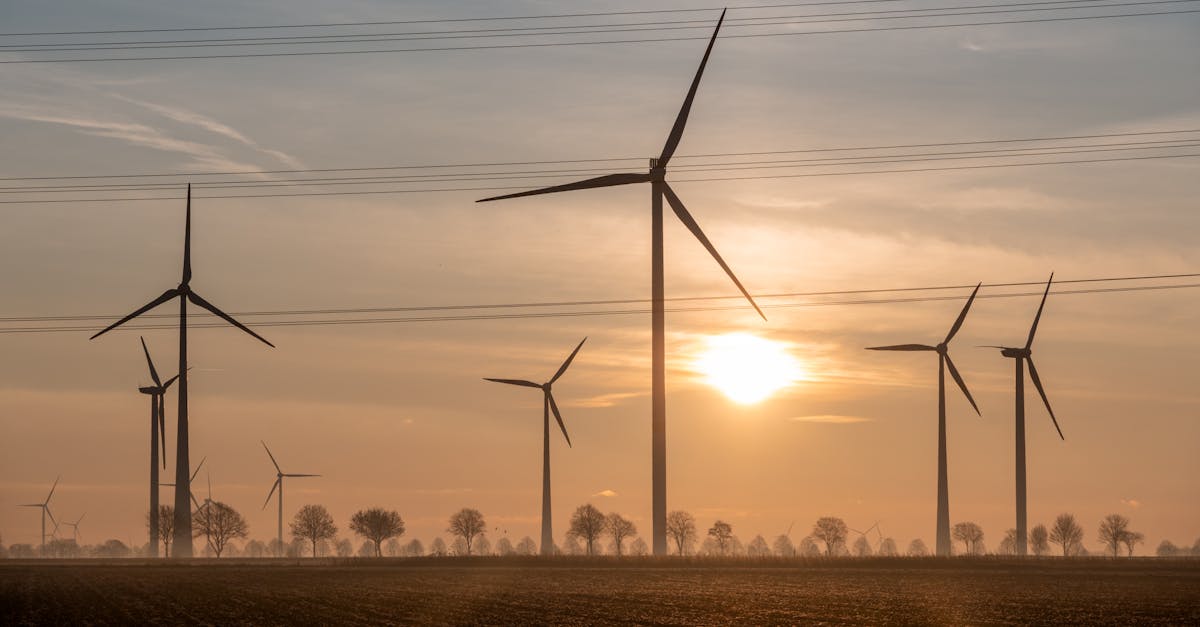
As we look forward, the question remains whether these energy price trends will stabilize or continue their upward trajectory. A greater emphasis on renewable energy sources might help insulate consumers from global price fluctuations, but in the immediate term, households must confront a tough winter ahead with increased budgetary strain. With the ongoing transition toward cleaner energy, economic policies will play a crucial role in shaping our energy landscape in the years ahead.
This winter, as families huddle against the cold, they wrestle with the dual concerns of soaring energy costs and the push for sustainability—a complex puzzle with no easy answers.