A 20% Surge in Housing Prices
Home prices in the United States have skyrocketed by 20% over the past year — a staggering increase that starkly highlights the widening affordability gap for many potential buyers. The National Association of Realtors reported that the median existing-home price reached $403,800 in August, a number emblematic of a broader trend of increasing valuations, especially in suburban markets.
Demand Meets Supply Constraints
This relentless price hike can be traced to fundamental supply issues. Housing starts dipped to a seasonally adjusted annual rate of 1.44 million in August, according to the Census Bureau, while builders are grappling with persistent labor shortages and rising material costs. Consequently, an unyielding demand for homes, propelled by millennials entering the market and remote work flexibility, clashes with stagnating inventories to exacerbate price pressures.
Renter Dilemma in a Tight Market
The housing affordability crisis extends beyond home purchases. The BLS revealed a 6.5% year-over-year increase in the Consumer Price Index for Rent, further straining household budgets across the country. Unsurprisingly, cities like San Francisco and Seattle see their residents facing the dire choice between skyrocketing rents or extended commutes to find more affordable living.
Interest Rates and Purchasing Power
The Federal Reserve’s aggressive rate hikes haven’t tempered high prices, as a 0.75% increase in the federal funds rate in late July indicates. While mortgage rates have climbed, recently surpassing 7% for the first time in over two decades, many buyers remain undeterred. However, for first-time buyers, this means that many may now fall out of the market, driving homeownership rates to potentially record lows.
The Broader Economic Picture
The labor market remains robust, with the unemployment rate hovering around 3.5%, as indicated by the BLS. Yet, inflationary pressure still poses a significant challenge for households, with overall costs rising 3.7% in June compared to the previous year. The squeeze on disposable income is likely to affect consumer spending, adding another layer of complexity for the housing sector.
The Urban Exodus and Migration Patterns
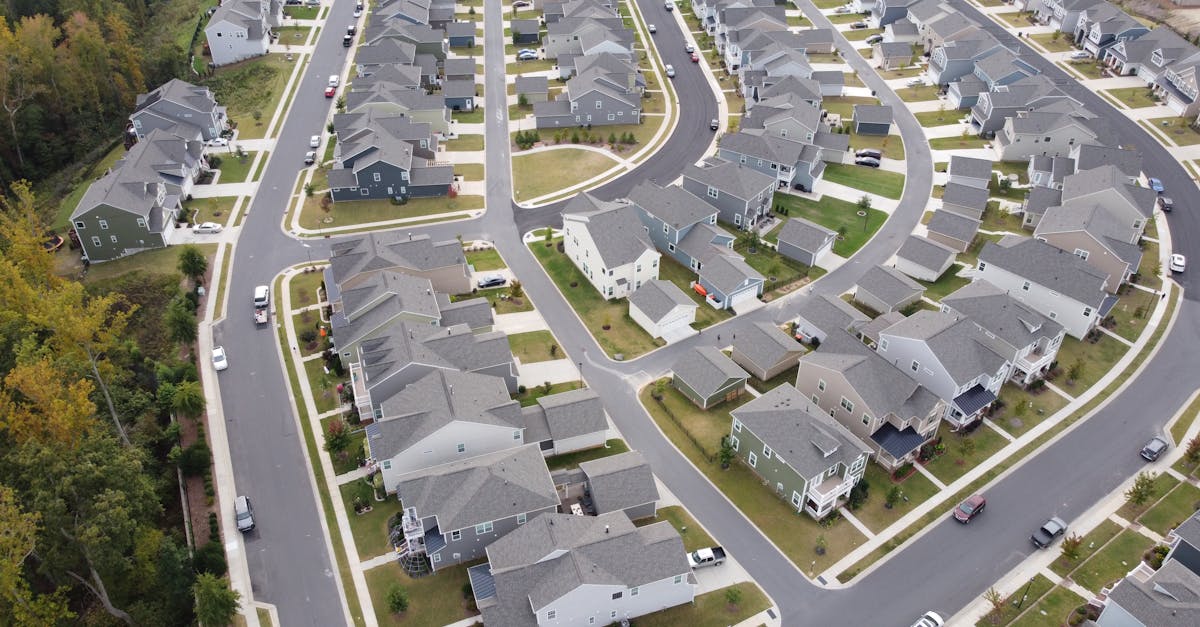
Interestingly, suburban and rural areas are witnessing a renaissance, as many families abandon urban centers for space and affordability. Forbes identifies places like Boise and Austin as top migrating destinations, which are now grappling with inflated property prices themselves, leading to hyper-competitive real estate environments.
What This Means for the Average American
These multifaceted dynamics suggest a fundamental reshaping of homeownership in the U.S. For many, the dream of owning a home is increasingly tenuous. As aspirations clash with reality, more Americans may be pushed into longer-term renting situations, altering lifestyle choices and potentially slowing down long-term community investments.
With the Fed’s policies influencing rates, households will need to recalibrate their expectations amid an increasingly unpredictable real estate landscape.