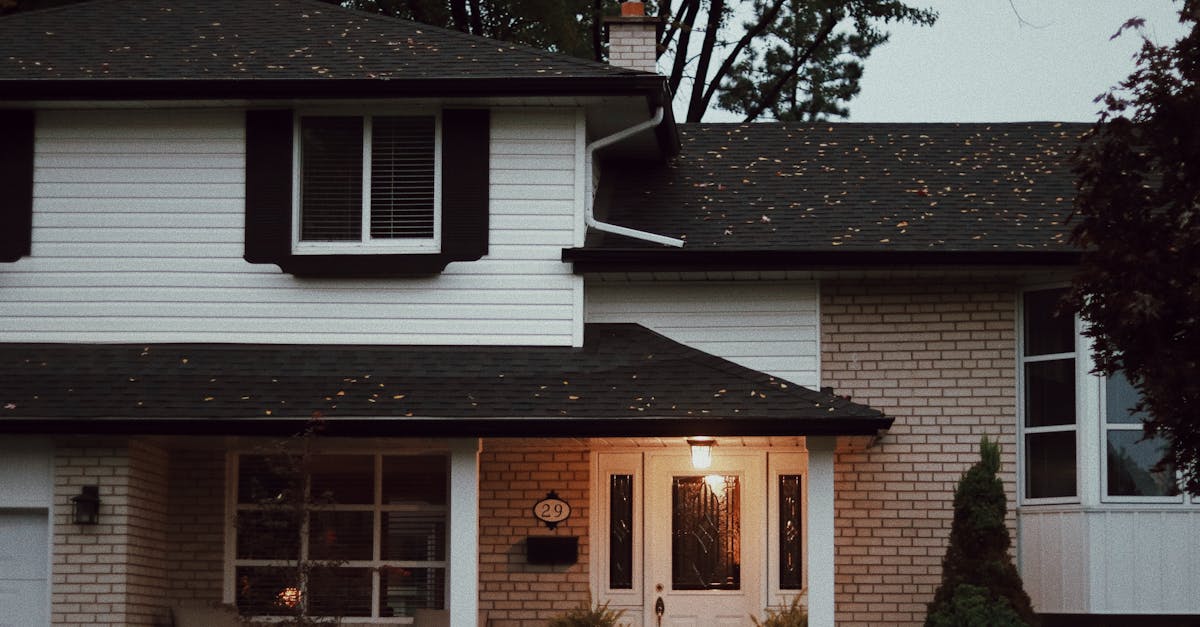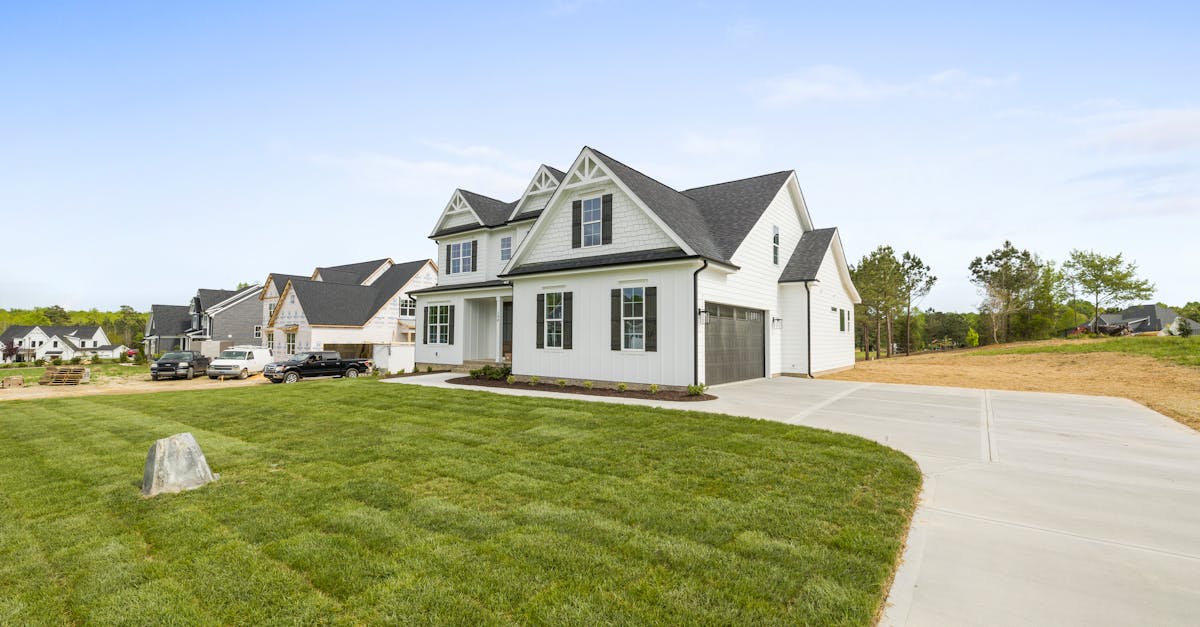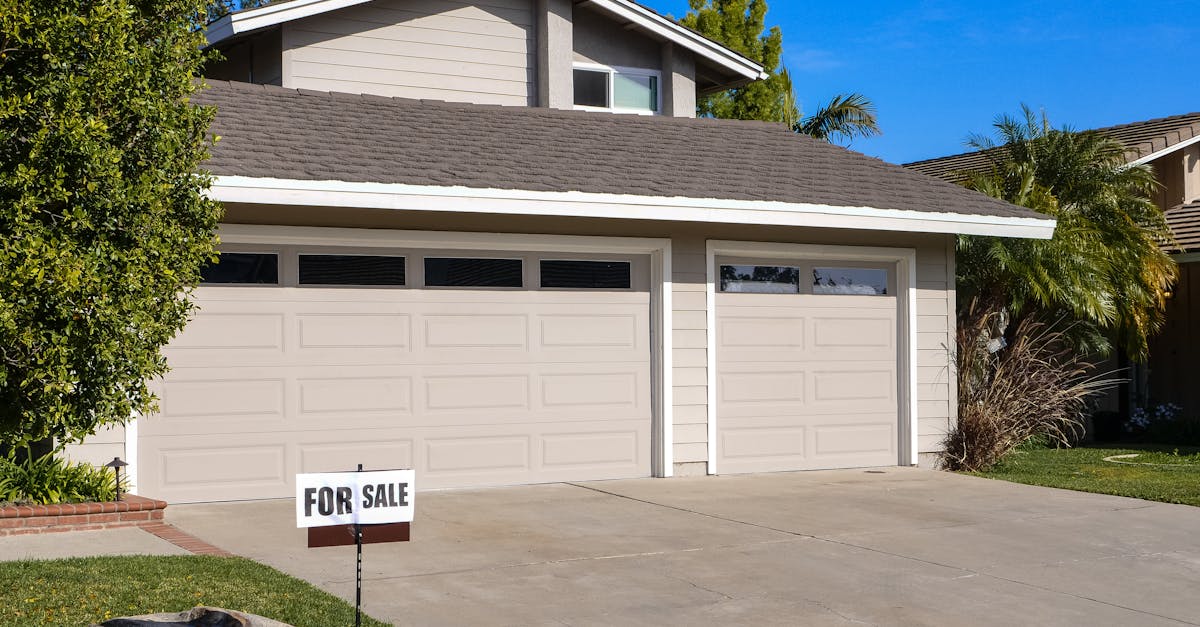
The median sales price of homes in the United States soared to $416,700 in September, a staggering 9.4% increase year-over-year according to the National Association of Realtors. This eye-popping number reflects not just a market on fire but also an alarming trend driven by limited inventory and surging demand that illustrates the complexities facing buyers today.
As we dive deeper into the housing landscape, the realities become even more pronounced. The supply of single-family homes dipped to an all-time low, falling to just 1.1 months of inventory available for sale. A scarcity of available homes creates fierce competition, frequently leading to bidding wars that push prices even higher, limiting options for first-time buyers.
The Federal Reserve’s aggressive interest rate hikes, made to combat inflation, have also transformed the financial calculus for many. As of September, the average 30-year fixed mortgage rate climbed to 7.31%, the highest level since 2002, driving monthly mortgage payments beyond what many potential buyers can afford. For example, a home priced at the median now carries a payment of roughly $2,600 a month, squeezing budgets and shifting the landscape of who can enter homeownership.
On the ground, these statistics evoke real stories of struggle. In markets like Phoenix, Arizona, where home prices have surged by over 20% in the past year alone, potential buyers find themselves outbid in a matter of hours. The struggle is not just about numbers; it’s families grappling with the notion that homeownership may remain out of reach, or require them to settle in less desirable neighborhoods far from employers and schools.
Rental prices are likewise feeling the heat, climbing an average of 3.6% nationally in the past year according to BLS data. This uptick forces many former homeowners and current renters to rethink their living situations. Rising rents combined with stagnant wages mean that affordable housing is a mirage for many, pushing society toward an increasingly bifurcated reality: those who own assets and those who don’t.
Policymakers face an uphill task in addressing these trends. While some cities are attempting to bolster affordable housing stocks through zoning reforms and incentives, the effectiveness of these measures remains to be seen. As it stands, the gap between supply and demand continues to widen, stymied further by resistance to new developments and bureaucratic hurdles.
Homeownership still carries a strong allure in the American Dream narrative, yet the pathways to achieve it have become steep and fraught with uncertainty. Rising interest rates, inventory shortages, and spiraling costs coalesce into an environment that many doubt will see relief anytime soon.
Next, stakeholders across the spectrum must confront the nuanced realities of affordability within the housing market, as the economic fabric of communities hangs in the balance.