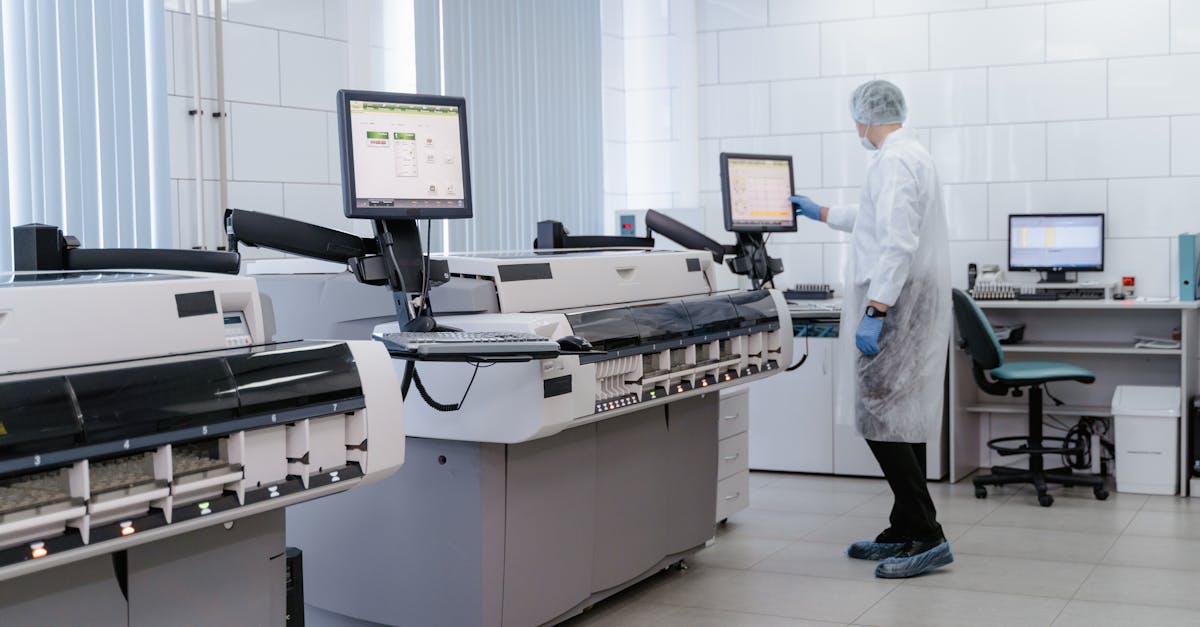
The Race for Research
In a striking pivot, U.S. research and development (R&D) investment is not merely keeping pace but beckoning towards uncharted territories, fueled by intensifying competition on the global stage. For the first time in years, R&D expenditure in the U.S. has hit $840 billion, surpassing pre-pandemic figures by a remarkable 12%, as reported by the National Science Foundation. This bold surge indicates that American companies are awakening to the imperative of intensive innovation, a response largely catalyzed by geopolitical pressures and a recalibration of corporate strategies.
A Global Benchmark
The United States’ commitment to R&D stands out against a backdrop of declining investment from other industrialized nations. For instance, China, long heralded as a rising technological powerhouse, allocated approximately $530 billion last year but has seen its growth slow to 7% compared to previous rates above 10%. Meanwhile, countries like Germany, with its R&D expenditure at about $100 billion, lag behind both in infrastructure and output innovation. The American resolve speaks volumes: not only are U.S. firms increasing spending more dramatically than competitors, but they are also beginning to dominate the global landscape in terms of patent filings, with the USPTO reporting a 15% increase in applications since last year.
Labor Market Dynamics
Despite a jobless rate of 4.4% coupled with approximate inflation hovering around 2.4%, the pursuit of advanced research is intensifying. Corporations like Apple and Google are reconfiguring their hiring strategies to attract a skilled workforce adept in AI and biotechnology. The BLS indicated that job openings in tech sectors grew by nearly 25% amidst tight labor conditions, forcing companies to compete aggressively, not just for talent but for ideas that will fuel their next growth spurt.
Federal Role and Interest Rates
The federal government is also playing a pivotal role, providing roughly one-third of all R&D funding through grants and contracts. With interest rates resting at 3.64%, access to borrowing remains viable, incentivizing firms to pursue expansive R&D projects. The Fed’s current monetary policy is encouraging riskier investments in high-tech arenas that promise long-term payoffs. A case in point is the National Institutes of Health (NIH) funding of $42 billion to biomedical research, reflecting a robust federal investment that complements private-sector efforts.
Innovation Outputs and Future Directions
These expenditures are translating into outputs. According to the European Patent Office, U.S. companies produced approximately 60% of world patents linked to AI innovations last year. This ongoing innovation signifies not merely commercial growth but a foundational shift in how industries are operating: faster, more agile, and fundamentally intertwined with technology.
Innovation’s Tipping Point
As companies eagerly exchange traditional methods for bold new paths of innovation, they are also recognizing the necessity of sustainability and ethical responsibility. Many forefront thinkers in R&D are shaping algorithms and processes to mitigate environmental impact while still pushing technological progression.
As the world moves forward, the game of innovation is being reshaped by urgency, competitiveness, and an ethical imperative to uplift humanity. The current trajectory might well depict a critical inflection point — where American ingenuity, embroiled in fierce competition, doesn’t just aim for prosperity, but aspires to define a future that holds more than just profit.