An Upward Climb, But Not Fast Enough
Labor productivity in the United States experienced a mere 1.5% increase in the latest quarter, a figure that starkly contrasts with the support it needs amidst pressing economic conditions. With inflation running at 3.3% as of March 1, 2026, this growth in output per hour worked falls woefully short of offsetting the rising cost of living, as workers’ efficiency struggles to keep pace with inflation.
A Comparative Lens
While the U.S. strives to bolster its productivity, Europe showcases more robust gains. Germany, for instance, saw a 3% boost in productivity in the previous quarter. Compounded with an unemployment rate of just 3.1% in that country, the disparity underscores the need for American firms to reassess their operational frameworks. The slight uptick in U.S. productivity emphasizes a lagging recovery compared to our international peers.
Labor Market Dynamics
Unemployment currently sits at 4.3%, suggesting that the labor market is tightening but perhaps not yielding the required productivity enhancements. With a labor force facing constraints from both skilled labor shortages and stagnant wage growth, it raises questions about where future efficiency gains will stem from. The productivity puzzle remains perplexing, particularly when considering that labor costs have risen much faster than productivity. Average hourly earnings show an annual increase of 4.5%—higher than productivity gains—creating an imbalance that places additional strain on employers.
The Interest Rate Factor
To compound these dynamics, interest rates are also on the mind of many industries. The current rate stands at 3.64%, representing a costlier environment for borrowing. As businesses grapple with tighter budgets and higher operational costs, investments in technology and workforce development—key drivers of productivity—are at risk of being deprioritized. The tension between maintaining profitability and investing in productivity-enhancing initiatives will shape the near-term outlook significantly.
Trends in Technology Adoption
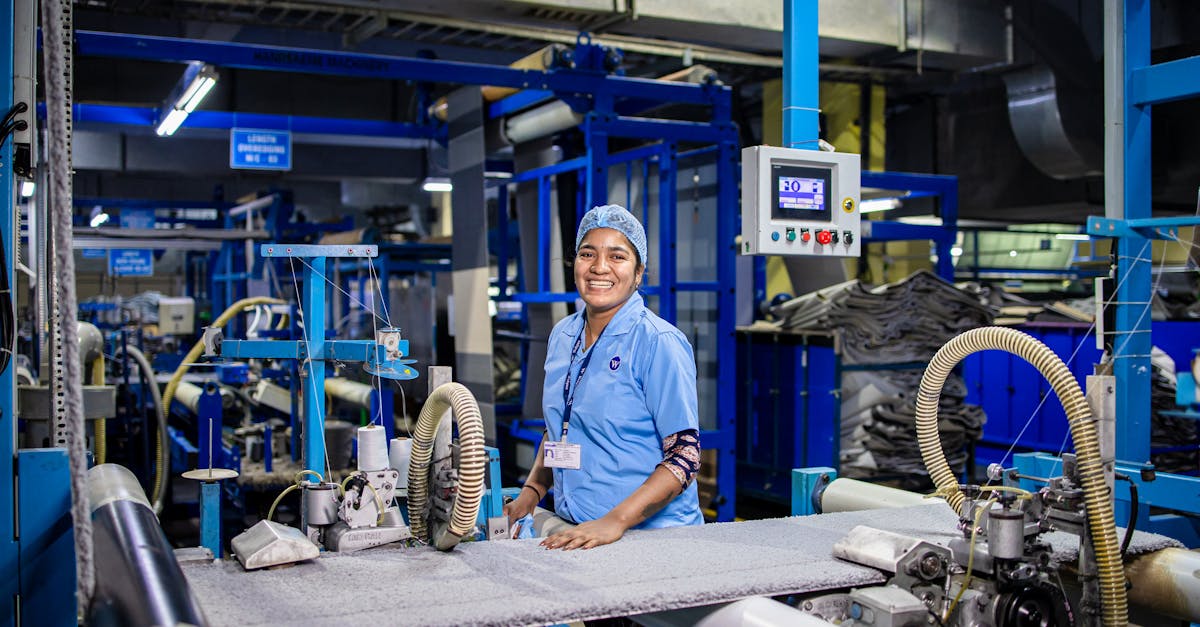
On a more optimistic note, sectors actively adopting automation and digital solutions are seeing more favorable productivity outcomes. For instance, manufacturing output rose by 4.7% due to higher investments in technology. This highlights the divergence within sectors: while some industries flourish, others face stagnation, reiterating the importance of strategic investments. In terms of labor efficiency, the pendulum swings not just on the macroeconomic stage but with every individual enterprise’s commitment to innovation.
Peering into the Future
As businesses navigate this challenging landscape, the focus will need to pivot toward sustainable strategies that marry efficiency with growth. Can American enterprises reimagine their approaches to not just survive, but thrive? With innovations at the ready, productivity might find a way to break through this cycle of sluggishness, redefining the economic narrative one hour at a time.