A Day in the Life of the Thompsons
On an overcast Thursday morning in Omaha, Nebraska, the Thompson family sat down for breakfast. Eleven-year-old Jake was excitedly recounting his latest science project, a model of the solar system constructed from recycled materials. Little did they know, the materials he diligently collected—a pair of used tennis shoes and an old t-shirt—are part of a broader narrative that unfolds at a macroeconomic level, tracing back to America’s trade balance.
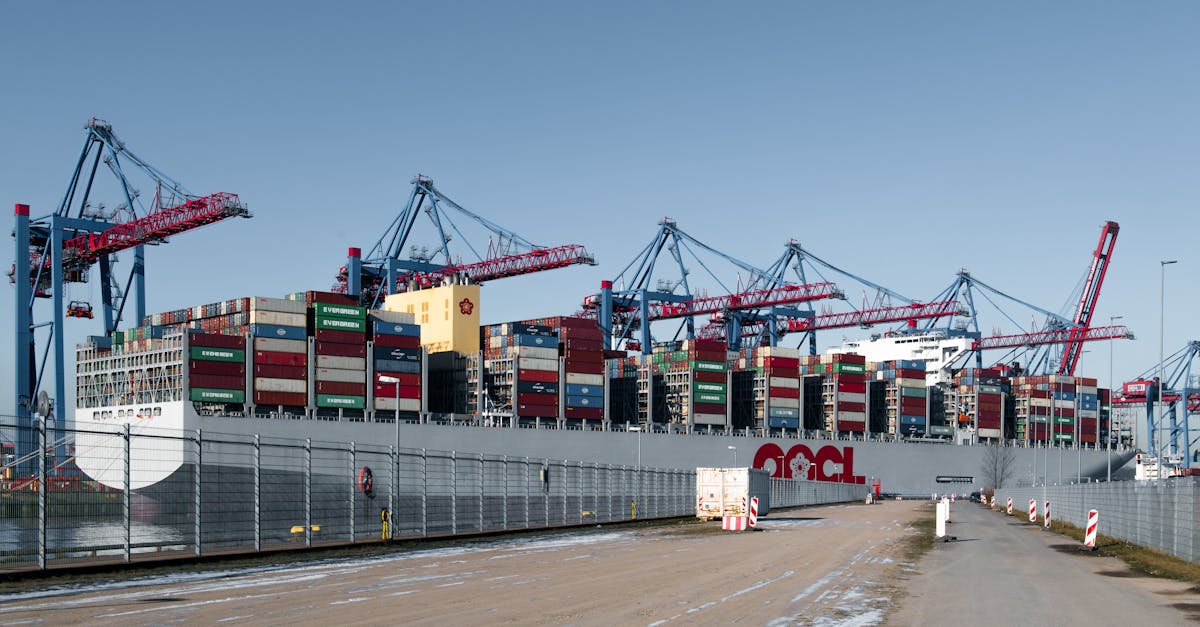
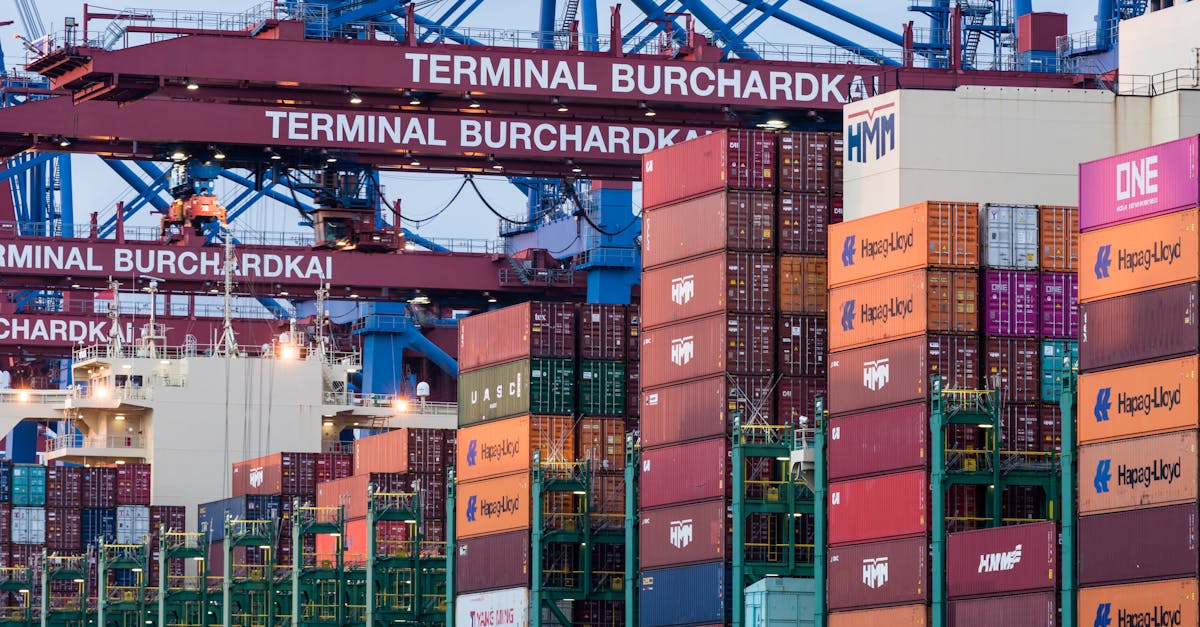
As the family discussed their plans for the weekend, the sunshine broke through the clouds outside, revealing a new shipment at a nearby warehouse. Those boxes, filled with imported goods from overseas—electronically enhanced toys and high-tech gadgets—served as a testament to the ongoing trade dynamics affecting the local economy. In the first half of this year, the United States recorded a trade deficit of approximately $1 trillion, a stark figure that frames conversations at kitchen tables like the Thompsons’.
Though trade deficits can appear daunting, they present nuances that affect not just global economics but also decisions made at home. The influx of imported goods helps keep prices down; for instance, Jake’s new robotics kit cost a mere $50, primarily due to competitive pricing models that arise from the availability of foreign products. Without international trade, that price tag might have been much steeper, potentially leaning closer to $100.
Imports and Exports: A Delicate Dance
The Thompsons are not alone in their interaction with large-scale economics. Across the Midwest, farmers such as Don Jones, who cultivates corn and soybeans, have become increasingly reliant on both domestic and international markets. When agricultural exports are strong, farmers benefit from bolstered prices. Following the recent Farm Bill, in which the U.S. Department of Agriculture reported agricultural exports climbing to over $177 billion last year, Don’s corn found its way to foreign markets, rejuvenating local economies. Each bushel exported contributes to job sustenance—jobs like those in the local processing plant, where Claire works.
With her background in supply chain management, Claire is particularly attuned to these shifts. A drop in exports, particularly to crucial trading partners, such as China, could disrupt demand for U.S. agricultural products and, consequently, her job. The trade imbalance, while often portrayed in stark terms, carries fluctuations that manifest in everything from consumer prices to employment rates in cities like Omaha.
A significant element of trade fluctuates based on currency strength; when the dollar appreciates, American exports become more expensive for foreign buyers. This phenomenon is not just abstract data; it can prevent families from enjoying chicken teriyaki flavored ramen made with American-grown wheat—or paper-wrapped sushi prepared with domestic fish—if producers opt to sell abroad instead.
The Circles of Economic Life
The Thompsons might not realize that their modest breakfast choices and weekend plans are shaped by policy decisions and economic dynamics happening thousands of miles away. For example, the rise in e-commerce, partially fueled by trade, has made the delivery of goods faster and more affordable. If the trade deficit leads to shifts in tariffs or trade policies, the prices of common household items could begin to fluctuate dramatically.
In the same breath, Claire’s apprehension regarding job security may seem intangible when juxtaposed with Jake’s gooey pancake breakfast, yet it’s all interwoven. The economy’s intricacies mirror their own interconnected lives—a chain reaction from imports and exports is felt at the table, becoming part of conversations about money, education, and future aspirations.
As dinner approaches, the Thompsons gather to discuss where they’d like to travel next summer, contemplating possibilities from sandy beaches to historical cities. Their plans, enriched by the very forces of trade that dictate personal finances, encapsulate the profound impact of the United States’ trade balance—not just at the Federal Reserve level, where decisions can shift economic currents, but right within the heart of a family navigating their daily lives.
In Omaha, as elsewhere in the country, each item on their dinner plate and toy in their kid’s room tells a story of trade, intricately tied to broader economic trends. Quite simply, the Thompsons illustrate how interconnected and delicate the fabric of trade is within the American experience.