The Johnson Family and Their Local Economy
On an ordinary Tuesday evening, the Johnson family gathers around their kitchen table, discussing the changes they’ve noticed at the local grocery store. Grocery prices have been creeping up, and tonight, Melanie, the eldest daughter, notices that her favorite imported snacks have disappeared from the shelves. This change is subtle, but it’s a tangible reflection of larger forces at play—forces rooted in the trade balance that shapes their everyday lives.
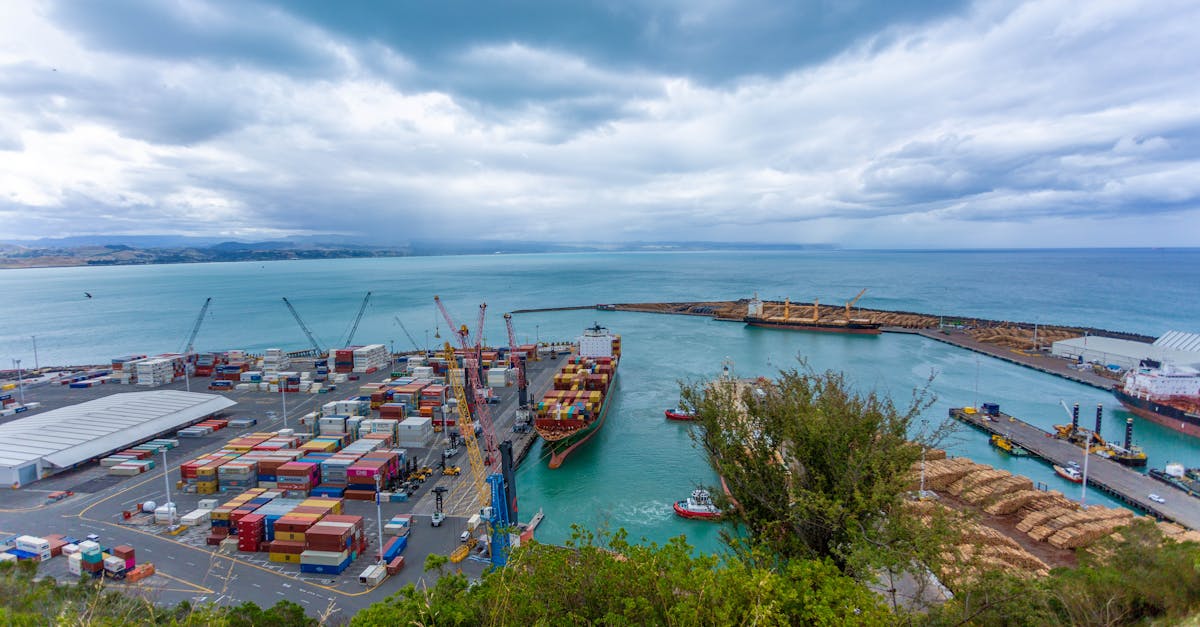
Take a closer look at some of the recent reports from the Bureau of Economic Analysis, and it becomes clear that the trade balance has reached a pivotal moment. In August, the United States reported a trade deficit of $68 billion, marking a stark reality for families like the Johnsons. This number isn’t just a statistic; it translates into the real-world availability of products, from fresh mangoes imported from South America to electronics sourced from Asia.
The Global Marketplace and Local Choices
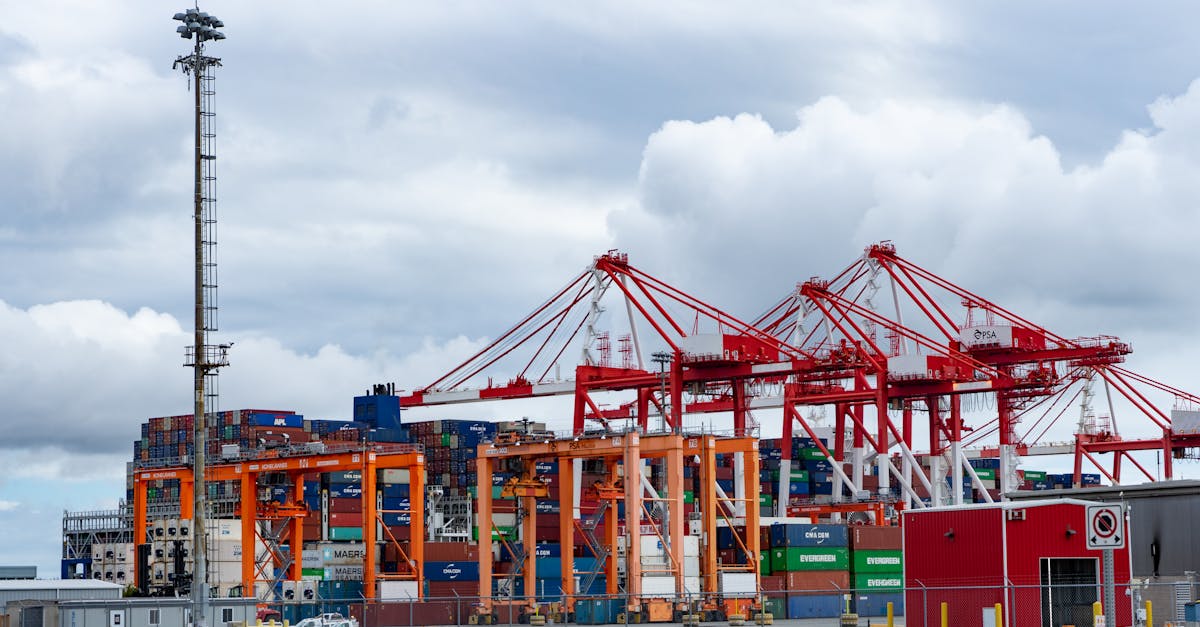
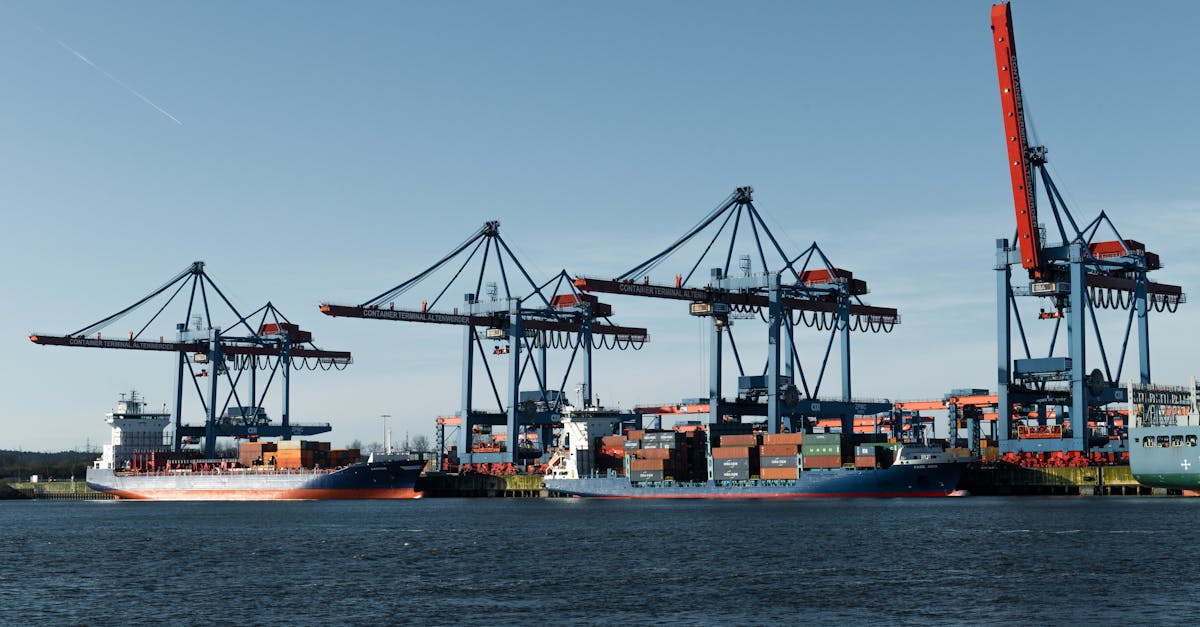
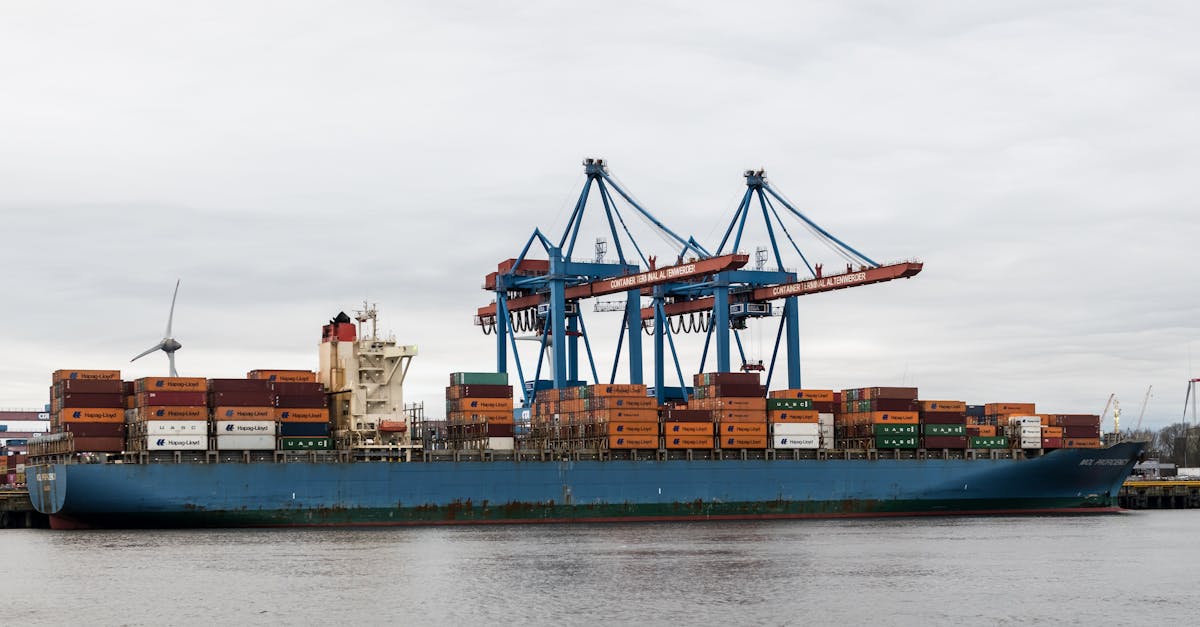
As the Johnsons adjust their shopping list, a reflection of the import-to-export ratio unveils itself. With imports outweighing exports, the economic fabric of the community starts to fray. In August, exports fell by 1.4% to $252 billion, even as imports slightly decreased to $320 billion. For every dollar that flows out through exports, there’s a broader narrative on how much is coming in. Imagine if every household felt the impact of those numbers directly—like when the store shelves are bare of products from brands they’ve come to rely on.
The Johnson family, like many across the nation, feels the pinch of higher prices stemming from a weaker trade balance. With companies trying to manage costs amid rising shipping expenses and tariffs, supply chains are impacted. For instance, transportation costs have risen by 8% according to the Bureau of Labor Statistics. This carries immediate repercussions to their grocery bills.
Jobs and Exports: A Delicate Dance
The conversation shifts as Rick, the family’s breadwinner, talks about his job at a local plant that manufactures metal components for automobiles. He relates how export demand plays a significant role in his job security. The plant’s performance relies heavily on selling products internationally to markets like Canada and Mexico, which account for roughly a quarter of U.S. exports. When exports dip, the local economy is directly threatened; reduced orders translate into uncertainty for his job and others like it.
The ripple effects are substantial. The Fed’s recent analyses indicate those industries heavily reliant on exports could face slowing production rates as demand fluctuates with international trade dynamics. When exports falter, it puts pressure on workers who, like Rick, depend on a thriving global marketplace.
An Interconnected Future
As Rick mentions the looming potential for layoffs should the situation worsen, Melanie interjects with a hopeful suggestion: perhaps they could explore more locally-sourced products. This shift isn’t just a family decision; it mirrors a growing sentiment nationwide. Farmers markets and local producers have seen a resurgence as people seek out alternatives amid fluctuating global markets.
The Johnsons find themselves caught in a web of economic movements beyond their control. Returning to the opening scene, the loss of their favorite imported snacks might feel small, but it serves as a reminder of the global ramifications of trade balances. Each dinner around the table isn’t just a family gathering but a reflection of the intricate dance between exports and imports, local jobs, and global trade.
A Home Divided by Trade Decisions
In a society where goods flow from across the ocean, the Johnson family symbolizes millions who watch their choices shrink as trade dynamics evolve. With exports declining and the trade deficit growing, their everyday purchases serve as a microcosm of a broader narrative: one that dictates not just what they eat but the very stability of their financial future. Each family meal carries the weight of international decisions, revealing the delicate balance between their local needs and a global economic landscape.