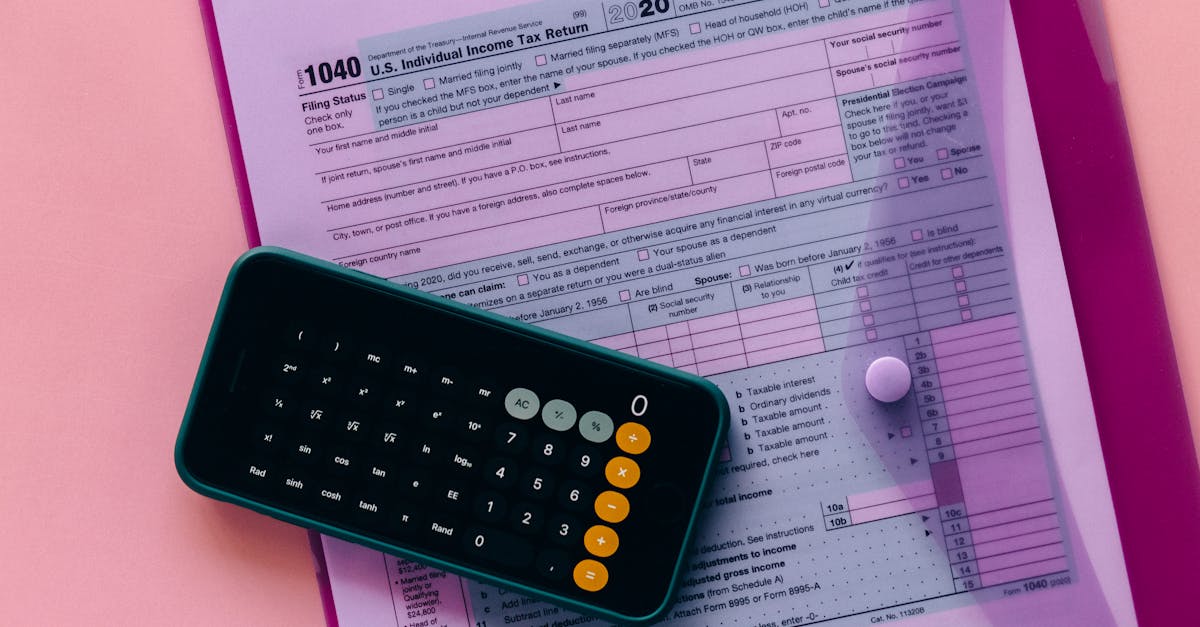
Why Does the U.S. Have Such a Complex Tax System?
The labyrinthine structure of the U.S. tax system raises a pivotal question: Why does it operate the way it does? At its core, the tax landscape is designed to distribute the financial burden of governance. However, this intricate mechanism gives rise to myriad effects on everyday citizens, influencing everything from disposable income to economic stability.
The Cause: Multiplicity of Tax Levels
The American taxation approach encompasses multiple layers: federal, state, and local taxes. Each level possesses distinct objectives, from funding federal safety nets to supporting community projects like schools and infrastructure. Individual income taxes, corporate taxes, property taxes, and sales taxes cumulatively create a spectrum of fiscal responsibilities that citizens must navigate.
This fragmentation can lead to varying tax obligations depending on geographic location and income levels, inducing feelings of financial strain for some households.
The Mechanism: How Taxes Are Collected and Allocated
Tax revenue, collected through withholding and direct payments, finances government services, which are vital for daily life. With the federal income tax bracket system in place, higher earners shoulder a disproportionate share of the tax load, while lower-income households may rely on refundable credits and assistance programs.
For instance, as of May 2026, the unemployment rate stood at 4.3%. Although this level indicates relative job stability, the hidden costs of underfunded programs supported by tax revenues can ripple through the economy. Limited access to health care, education, and job training can stifle opportunities for upward mobility.
The Effect on Real People: Shifting Responsibilities
As taxes ebb and flow with economic conditions—reflected in an inflation rate of 3.8%—the burden on families shifts correspondingly. Fluctuating interest rates, with the Fed indicating a prevailing rate of 3.63%, can affect borrowing costs, making it harder for families to invest in homes or education. Over time, this cycle of rising costs and constrained income may exacerbate income inequality.
- Current Inflation Rate: 3.8% (BLS)
- Unemployment Rate: 4.3% (BLS)
- Interest Rate: 3.63% (FRED)
Tax credits for lower-income earners and the movement toward progressive taxation aim to alleviate some pressure. However, the effectiveness of these measures often depends on overarching economic health, a delicate balance influenced by policy changes and global market dynamics.
Future Implications: What to Watch for Next
As economic indicators continue to evolve, attention should turn to potential tax reforms that may reshape this intricate system. Proposals aimed at simplifying tax structures could emerge, significantly affecting how individuals engage with their financial obligations. Additionally, shifts in economic policy prompted by inflation might alter public sentiment about tax fairness and distribution.
Monitoring these developments will be essential, as they will likely impact individual investment choices, savings behavior, and overall economic mobility in the years to come.