A Family’s Financial Odyssey
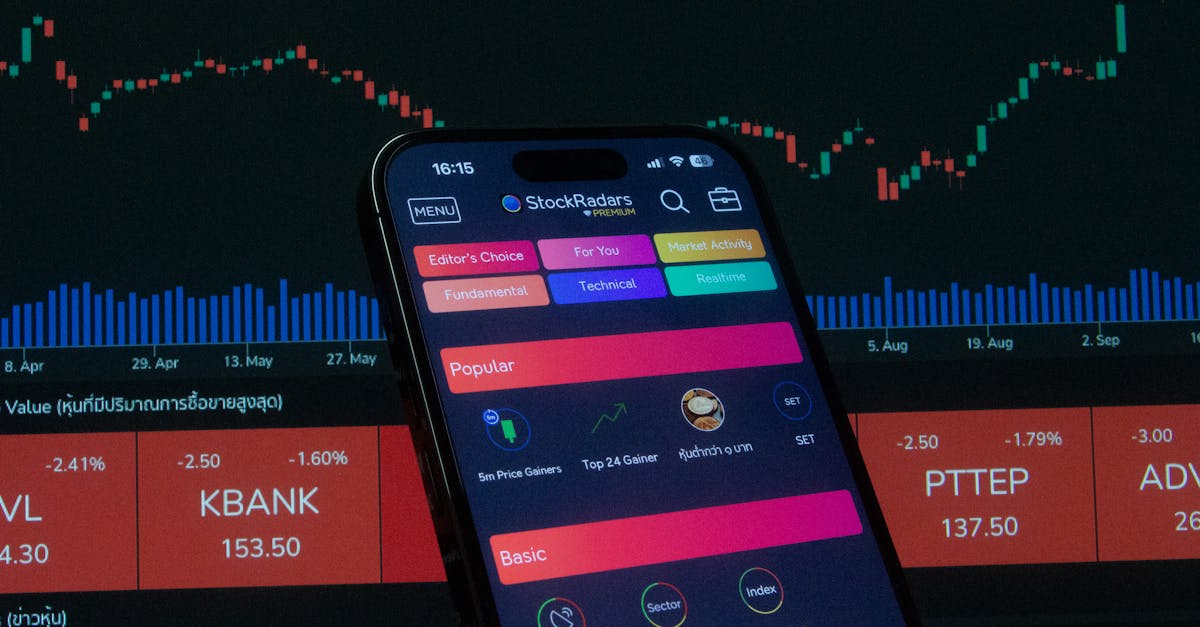
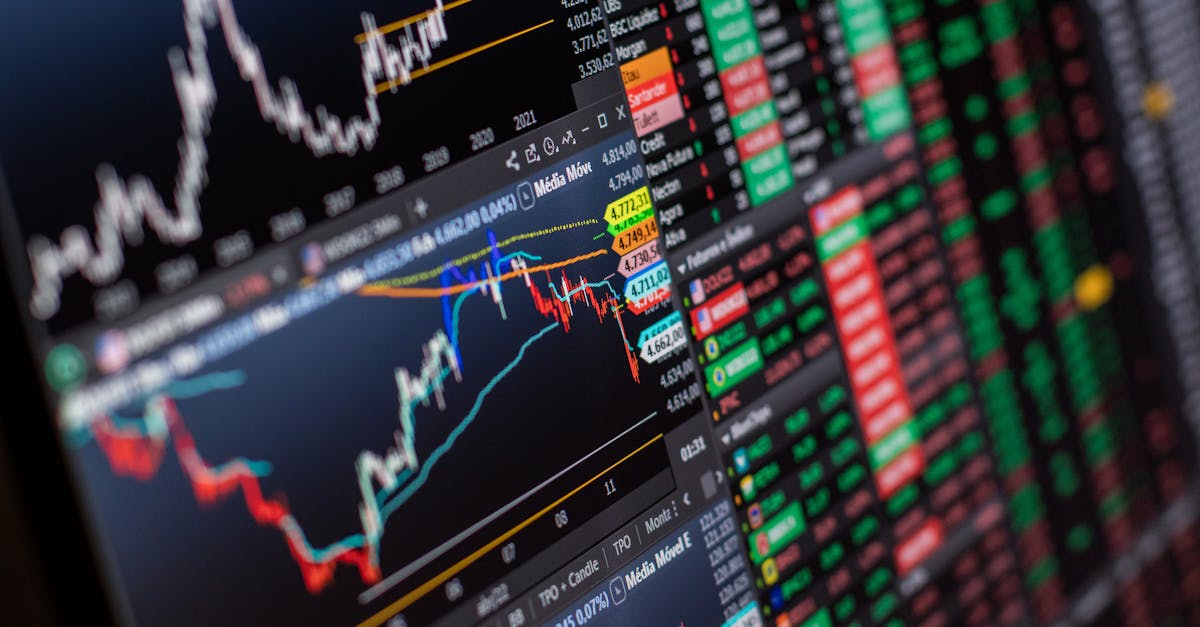
The Coopers, a family of four from suburban Virginia, sat around their kitchen table on a Tuesday evening, their eyes glued to the small television screen. The ticker tape across the bottom displayed the latest stock market updates, revealing a wave of dissatisfaction among investors as markets fluctuated. For Jack and Maria, this wasn’t merely a screen filled with numbers; it was the barometer of their financial future. Their daughter, Emily, had her college tuition looming next year, and the family was determined not to let their investments falter.
The previous year, Jack had invested diligently in a mix of tech stocks, enticed by the booming industry and low unemployment rates hovering around 4.4%. His strategy seemed sound—after all, as demand for tech skills surged, so did stock prices. However, with inflation rising to 2.4%, the purchasing power of their income started to dwindle, forcing them to reconsider their financial plans. Jack realized that every penny counted, particularly as consumer prices plateaued yet again.
Stock Market Waves
As Jack kept a keen eye on the Federal Reserve’s interest rate updates, the figure of 3.64% crept into his calculations. This rate significantly influenced borrowing costs, making loans for home improvements or Emily’s college education more expensive. Yet, from a different perspective, it also hinted at a temporary inflationary pressure that could impact both wages and investments.
The stock market’s ups and downs, he mused, were intimately tied to the economy’s health. Imagine the stock market as a massive amusement park, where rides symbolize various sectors. On certain days, tech stocks blasted upward, like a rollercoaster, while energy stocks seemed to stall, reminiscent of the merry-go-round that just wouldn’t kick into gear. With Jack’s investments bouncing between exhilarating highs and stomach-churning lows, he felt the emotional weight of their decisions more than ever.
Shifting Strategies
The Coopers began discussing their financial resilience during daily dinners. Maria, a teacher, pointed out that her stable job should provide comfort. However, they understood that stability didn’t equate to security in an economy where volatility was just around the corner, waiting to strike. They even considered reallocating a fraction of their investment portfolio from predictable, dividend-paying stocks to high-growth opportunities that promised larger returns, albeit with increased risk.
This dynamic wasn’t just a family venture; it was indicative of broader national trends. Investors were diversifying more than ever, with many pivoting towards sectors that capitalized robustly on post-pandemic recovery. For instance, travel and leisure stocks saw a renewed interest as consumer sentiment began to shift.
Closing the Loop
As the Coopers navigated through this turbulent phase, they realized that, like the stock market, their financial aspirations were influenced by macroeconomic indicators far beyond their control. Each stock price rise and every dip told a story—of hope amidst uncertainty, of families like theirs weighing futures against financial spreadsheets.
Sitting back at the kitchen table, watching the ticker scroll by, Jack felt a familiar pang of anxiety mixed with hope. The stakes were high, but they were prepared to ride the waves together. Ultimately, for the Coopers, the stock market was more than just numbers: it was the playground of their dreams and aspirations.