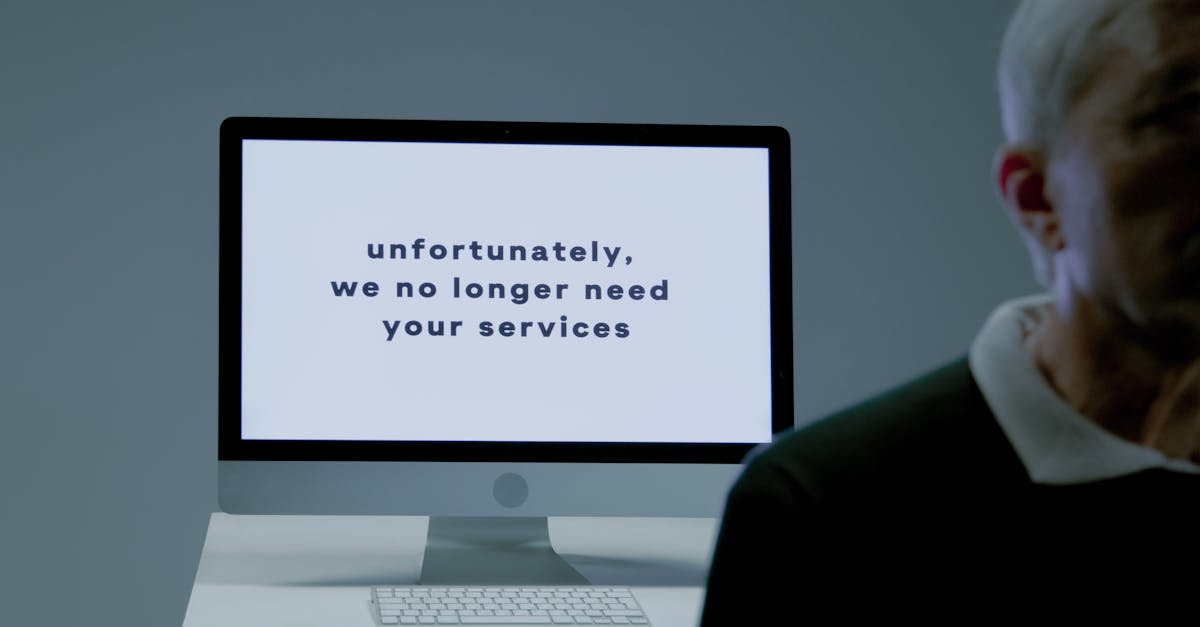
A Static Unemployment Rate Amidst Economic Turbulence
At 4.4%, the United States’ unemployment rate paints a picture of resilient labor dynamics, even as global economic uncertainties loom large. This figure, reported by the Bureau of Labor Statistics, marks a slight uptick from the 4.2% recorded a year prior, yet it remains a focal point in discussions about labor market health during turbulent times.
Contextualizing the Numbers
In the grand tableau of international labor markets, the U.S. stands comparatively well. For insight, Eurostat reveals that the unemployment rate within the Eurozone hovers around 6.5%. Extrapolating beyond Europe, countries like Canada report rates of 5.0%, illustrating that while America’s labor market isn’t immune to challenges, it performatively edges ahead of significant global counterparts.
The increase of just two-tenths from the previous year’s 4.2% may seem negligible yet underscores the fragility of recovery in the wake of the pandemic and subsequent economic disruptions. The volatility reflects not just local labor conditions but broader economic trajectories that hint at potential recessions and inflationary pressures.
A Deeper Dive into Workforce Impact
Disaggregating the figures by demographics reveals stark contrasts. For instance, unemployment for teenagers sits alarmingly high at 13.7%, exacerbated by a youth-centric job market still grappling with adjustments post-pandemic. Meanwhile, the jobless rate for African Americans remains persistently elevated at 7.3%, shedding light on the systemic disparities that continue to challenge equitable labor access.
The mismatch in recovery rates among various demographic groups illuminates deeper issues embedded within the labor market. While total employment rebounds, specific populations still face significant barriers, drawing attention to during this unique recovery phase.
Shifts in Job Creation and Sector Dynamics
The sectors creating jobs also tell an intriguing story. Professional and business services have driven employment gains, adding nearly 200,000 positions in recent months, while leisure and hospitality shows promising signs of rebounding, particularly as consumers regain confidence to spend. Conversely, manufacturing, particularly in semiconductor production, remains behind the curve as global supply chain issues continue to challenge output.
These discrepancies in job creation accentuate how varying sectors react differently to economic stimuli. As the Federal Reserve monitors inflation closely, any shifts in monetary policy may directly impact these growth trajectories, serving as a litmus test for the labor market’s resilience.
Future Implications and Economic Resilience
The road ahead may not be uniformly smooth. Economists are sharply divided on the looming specter of recession and its potential ramifications on employment stability. A tightening labor market, coupled with fluctuating economic signals, could indeed redefine job availability in unexpected ways.
As businesses continue to navigate post-pandemic realities and changing consumer behaviors, the question remains: how will sectors best leverage their resources to align with this evolving landscape? Labor dynamics in the coming months will be a powerful barometer of the broader economic state, testing whether resilience becomes a fixture or a fleeting phase in America’s job market.
The balancing act between recession fears and job stability necessitates an agile approach from employers and policymakers alike; eyes will be keenly focused on indicators that will dictate the rhythm of this recovery in the months and years to come.