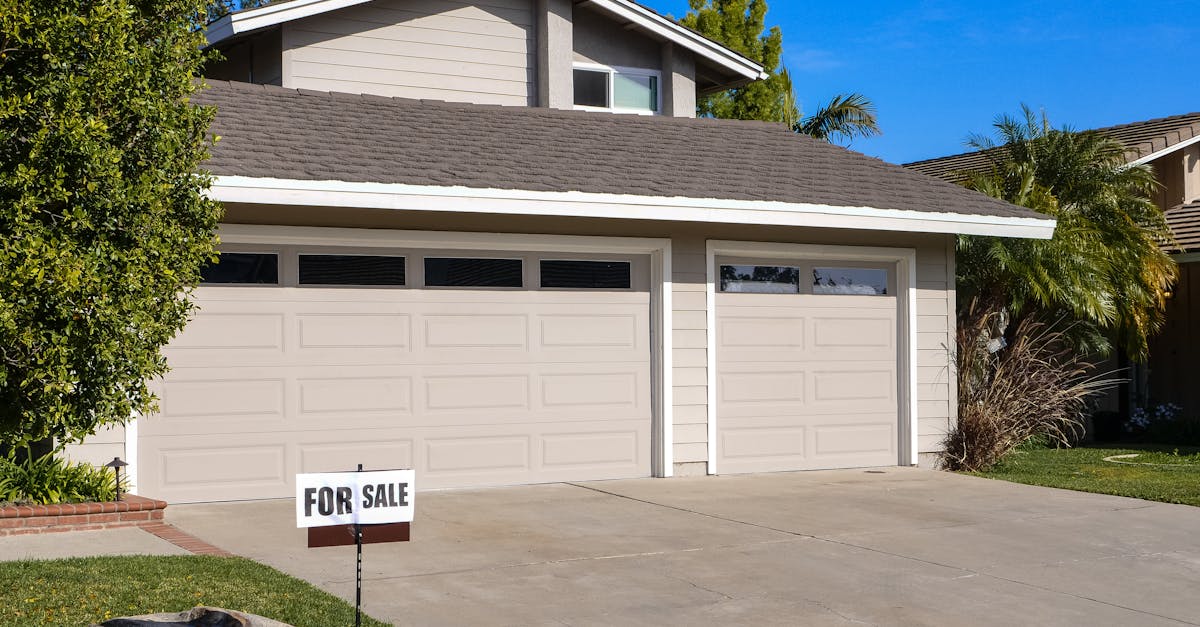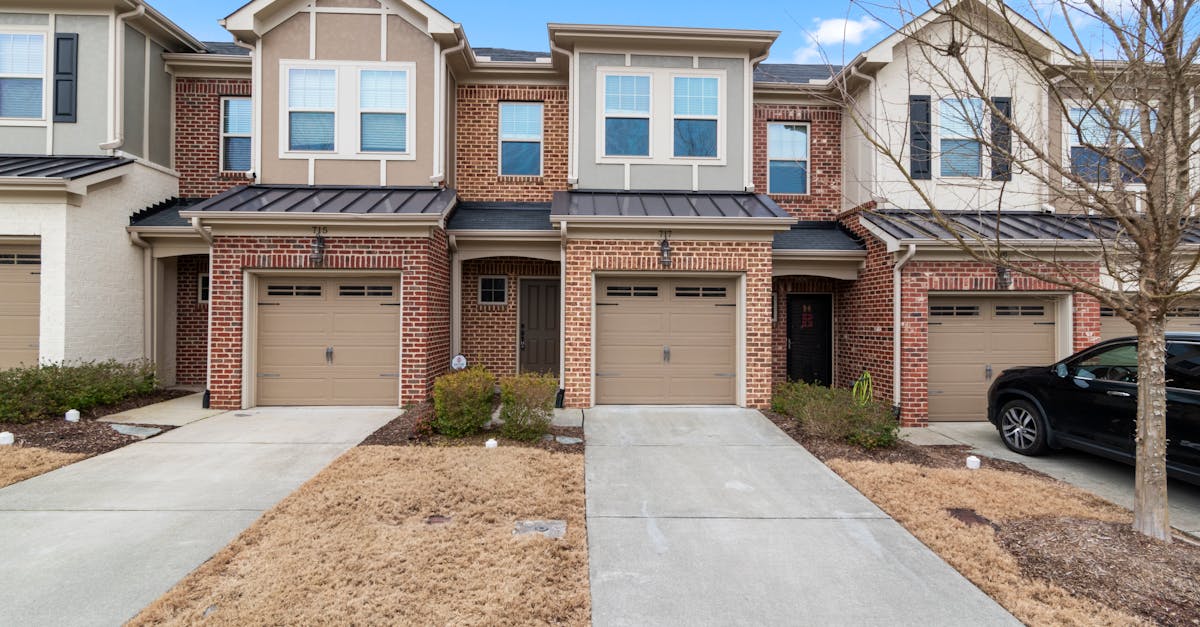
The average U.S. home price has skyrocketed to $416,000, marking a staggering 41% increase since just before the pandemic. This surge places homeownership increasingly out of reach for many Americans, especially first-time buyers under 35, who are grappling with average loan rates of 7.5% as of September 2023.
As the Federal Reserve raises interest rates to combat ongoing inflation, the housing market’s pulse quickens. The central bank’s latest hike brought the federal funds rate to a range of 5.25% to 5.50%, contributing to a housing affordability crisis that is forcing many potential homeowners to rethink their options or extend their timelines. Current mortgage rates have compounded the impact of already high property prices, making monthly payments unaffordable for a significant segment of the population.
In cities like San Francisco and New York, a harsh reality unfolds: nearly 70% of recent listings are priced beyond the reach of average earners. The U.S. Census Bureau’s data reveals that household income growth, while increasing by approximately 4% over the past year, is dwarfed by the climbing astronomical housing costs. This mismatch between wages and housing prices creates a widening gap that intensifies the pressure on low- to middle-income families across the nation.
Rental markets are not spared from this upheaval either. The National Multifamily Housing Council indicates that rent growth across the top 100 U.S. metro areas stands at about 10.3% over the past year, with some metro areas experiencing increases as high as 15%. The added burden of rising costs is often pushing renters into fierce competition for lower-tier apartments, creating a troubling cycle where housing instability becomes a growing concern.
An array of solutions has come forth, including proposed legislative measures aimed at boosting affordable housing supply. However, the pace at which these initiatives can be implemented remains uncertain. In the meantime, builders are cautiously optimistic, with single-family housing starts rising by 4.8% in August, as compared to the previous month, according to the BEA. Yet, this growth doesn’t begin to match the staggering demand spurred by a post-pandemic market.
First-time home buyers, particularly in millennial demographics, are facing dilemmas that could influence market dynamics for years to come. With soaring prices and high interest rates, the dream of homeownership seems increasingly unattainable, resulting in a halting of many potential purchases. For individuals weighing their options, delays in home buying could mean waiting longer to secure a mortgage or potentially shifting towards alternative housing solutions, like renting or co-buying.
State and local governments may need to rethink zoning laws and incentivize the construction of affordable homes in a bid to bridge the mounting divide between housing demand and supply. Work is being done in places like Austin and Miami, where municipal leaders are exploring strategies to encourage higher-density living arrangements aimed at providing more affordable options to residents.
As the housing market faces pressure from multiple fronts, one inevitable truth stands out: addressing the imbalance between income, housing prices, and interest rates will require innovative policies and a collective effort from all stakeholders. \n The next chapter in the U.S. housing saga will depend heavily on the critical decisions made by policymakers and industry leaders as they aim to chart a sustainable path forward.