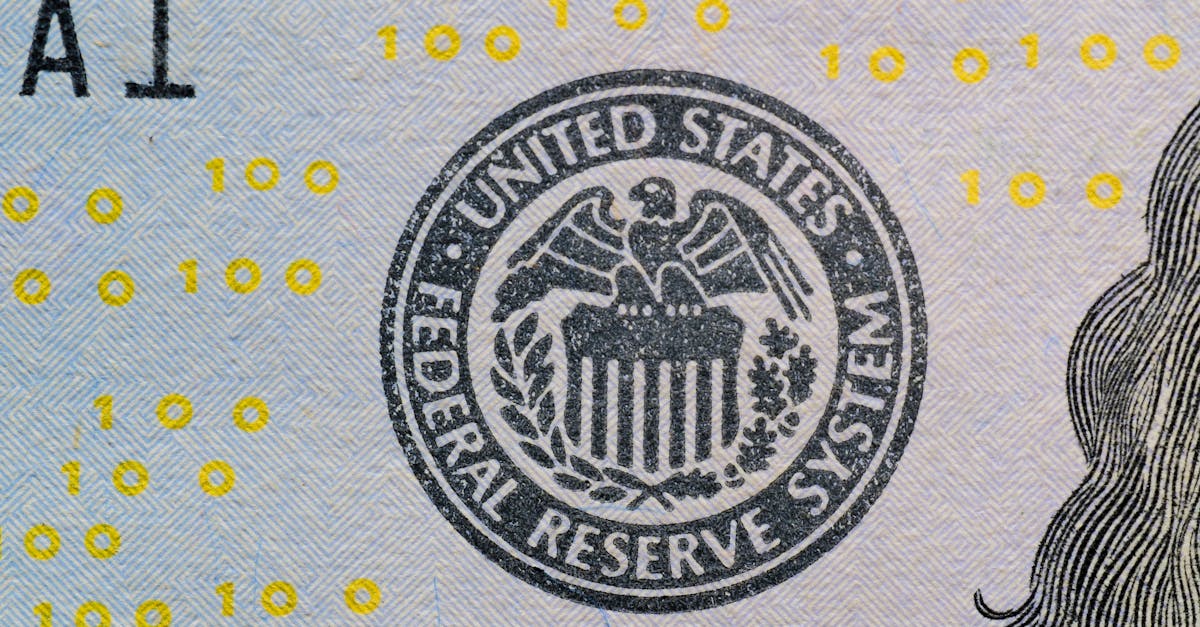
A 3.64% interest rate is more than just a number; it represents a significant shift in U.S. monetary policy, translating into current borrowing costs that are far higher than pre-2020 levels. This increase not only reflects the Federal Reserve’s battle against inflation, which currently sits at a steady 2.4%, but also reshapes the landscape for consumers, businesses, and investors alike.
The backdrop for this dynamic is the economy’s recovery post-pandemic, characterized by a robust job market where the unemployment rate remains buoyed. The Fed’s attempts to curb inflation by tightening monetary policy have sent ripples through financial markets, signaling a decisive pivot from the low-interest era that once prevailed. Higher rates mean more expensive loans; for instance, a typical mortgage rate has surged, putting homeownership further out of reach for many aspiring buyers.
For consumers, these changes in policy mean a rethinking of spending habits. Credit cards, once a lifeline, now bear the weight of higher interest payments as balances accrue faster. A recent CNBC report indicates that U.S. household debt reached $17 trillion, with a significant portion tied to fluctuating interest rates. The implications ripple across retail markets too; businesses may face reduced consumer spending as families allocate more resources towards servicing debt.
On a broader scale, significant market fluctuations demonstrate the delicate balance the Fed must maintain. Since the announcement of rate hikes, the S&P 500 index has seen a volatile trajectory, oscillating daily as investors react to shifts in monetary policy. The Federal Open Market Committee (FOMC) has emphasized its commitment to managing inflation without derailing growth, underscoring the challenging tightrope they walk.
Drilling down into individual sectors reveals localized impacts. The housing market, for one, has shown signs of cooling—housing prices that soared during the pandemic have moderated as loan costs climb; this rebalancing acts as a double-edged sword for prospective buyers and current homeowners alike. Meanwhile, across the energy sector, the price of borrowing has imposed constraints on capital for new projects, potentially stalling advancements in sustainable energy initiatives.
Understanding these monetary shifts requires an appreciation of their broader implications. The current rates are alerting investors and consumers alike to a new phase characterized by possible stagnation in some sectors while sparking growth in others—especially in places like technology and renewable energy, where innovation could be fueled by firms willing to navigate higher capital costs.
In an environment where inflation remains at 2.4%, the Fed faces scrutiny regarding its approach. Is the chosen path aggressive enough to curtail rising prices without stymying economic recovery? As these trends unfold, the public must remain vigilant, adapting to an evolving financial landscape that could redefine personal and national economic strategies considerably.
While monetary policy continues to evolve, the focus will undoubtedly shift to how these financial dynamics shape consumer behavior and business strategy in the months to come.