An Incremental Increase in the Cost of Money
As of March 1, the Federal Reserve’s interest rate stands at 3.64%, marking a significant shift designed to combat inflation. This figure not only reflects U.S. monetary policy’s tightening grip but also places the country in a delicate balance between stimulating growth and curbing rising prices.
Inflation Pressures and Rate Adjustments
To put this in context, the current interest rate is notably higher than the historical lows of near-zero witnessed in 2021. The Federal Reserve’s recent hikes were a crucial response to an inflation surge that peaked at 9.1% in June 2022, the highest rate in four decades. By contrast, the Fed’s tightening began as inflationary pressures mounted, and it now faces the challenge of maintaining economic stability without triggering a recession.
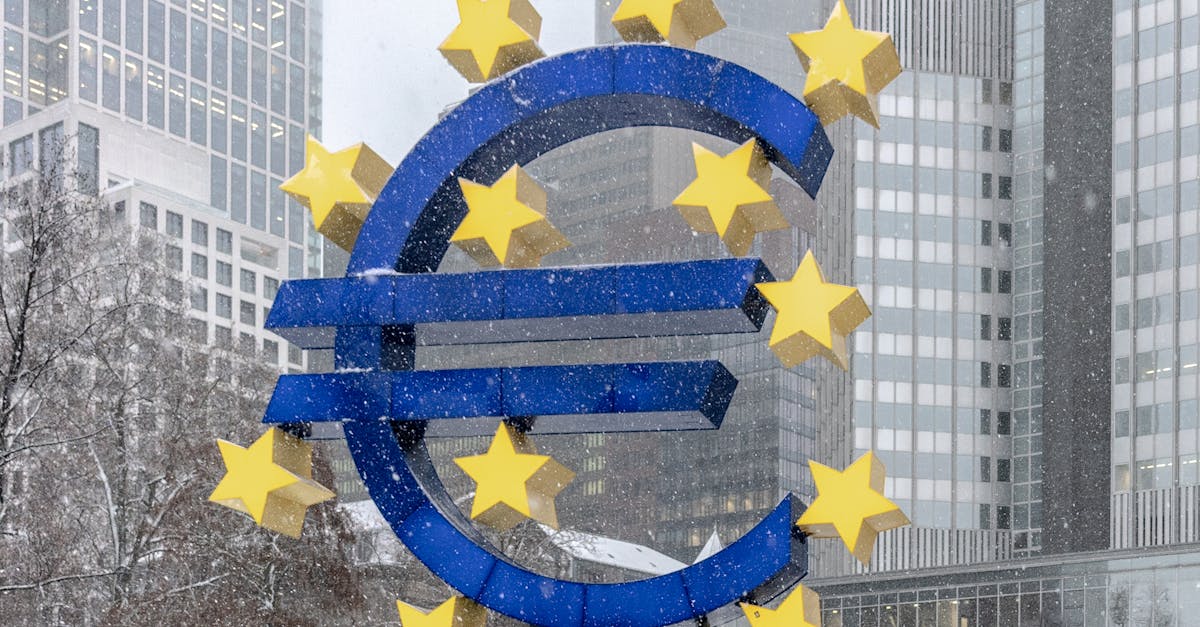
Globally, central banks are responding to similar inflationary challenges, yet the U.S. rate of 3.64% remains on the lower end among developed economies. For instance, the European Central Bank’s benchmark interest rate is currently at 4.00%, while the Bank of Canada has set its rate at 4.5%. This discrepancy highlights the Fed’s cautious approach compared to its international peers, often reflecting unique domestic economic conditions.
Market Reactions and Lending Dynamics
The reverberations of the Fed’s monetary policy resonate through financial markets. Recent data from the Bureau of Labor Statistics reveals that consumer spending has already begun to cool as higher interest rates impact borrowing costs. Mortgage rates, subsequently influenced by the Fed’s moves, have spiked, causing a notable slowdown in the housing market. The average 30-year fixed mortgage rate is hovering around 6.5%, squeezing potential homebuyers and dampening demand.
A critical byproduct of these rising rates is the correlation between credit accessibility and economic growth. The cost of auto loans, student debt, and credit card borrowing has escalated, creating a burden for households. For example, the average credit card interest rate recently surpassed 20%, constraining discretionary spending at a time when consumers already wrestle with higher prices on essentials.
The Clear Path Ahead: Uncertainties Loom
Navigating this new economic terrain reveals the dual-edged sword of higher rates. While the Federal Reserve emphasizes its mandate to stabilize prices, the potential trade-off is slower growth. The central bank’s policymakers have articulated their commitment to monitoring inflation indicators, yet the path remains fraught with challenges. The Fed’s tools are powerful but not precise. Ending the cycle of rate hikes hinges on the slow and often unpredictable nature of cryptocurrency, technology investment trends, and unpredictable global economic events.
As April approaches, all eyes will be on inflation data and labor statistics, which could offer hints as to whether the Fed will adjust rates further or hold steady. With fewer clear-cut signals emerging, the landscape of U.S. interest rates will dictate not only consumer behavior but also the broader economic momentum entering the latter half of the year.
Unveiling Potential Opportunities
While the current framework may seem daunting, the silver lining is that higher interest rates could incentivize saving over spending, promoting longer-term economic health. Americans may refocus on traditional savings approaches, with stagnating inflation potentially offering consumers some breathing room. The next Federal Reserve meeting could therefore become pivotal, illuminating the future economic atmosphere and revealing how well the U.S. can navigate this intricate interplay of cost and benefit.