A Family’s Dilemma
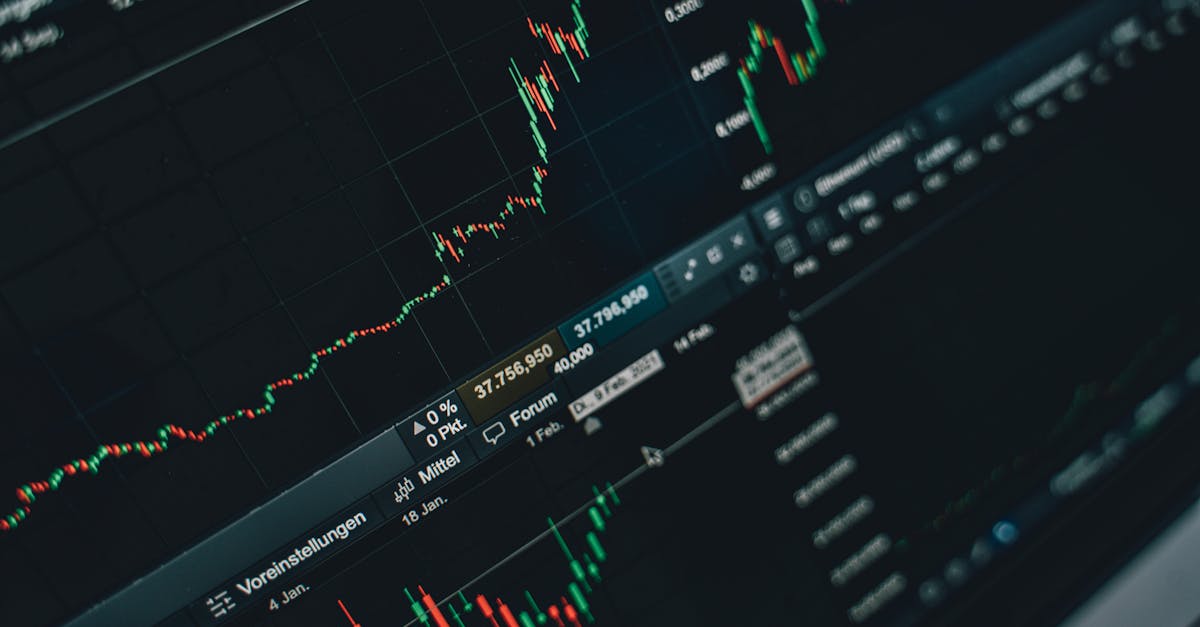
In a quiet suburban neighborhood, the Johnson family finds themselves at a crossroads. With two children in college, Janet and Mark have been saving diligently to afford tuition while also dreaming of a family vacation after years of prioritizing education. However, a sudden plunge in the stock market last week has set off alarm bells. As they logged into their investment account, what was once a healthy savings balance now resembles a costly dip, leaving them questioning their financial future.
Just last month, before this volatility kicked in, stocks had been riding a wave of optimism, with the S&P 500 gaining steadily. As of April 1, inflation stood at 3.8%, which seemed manageable compared to the spikes of earlier years. Yet, the stock market’s choppy waters are causing eruptions in their plans. With a rise in the baseline interest rate to 3.64%, borrowing costs are climbing, effectively reducing their disposable income and dampening their purchasing power.
The Markets and Their Ripple Effects
Families like the Johnsons are not alone in feeling the effects of stock market fluctuations. As the Dow Jones and NASDAQ index face their ups and downs, businesses are also bracing for impact. Small enterprises, often leaning on stock market performance for capital investments, have started re-evaluating their strategies. Here’s how a shaky market tosses the economy into a cycle of uncertainty:
Imagine a small tech startup in Silicon Valley, heavily invested in stocks not just for wealth but for operational cash flow. When the market takes a dive, not only does the value of their stock fall but investor confidence dwindles as well. According to recent figures from the Bureau of Labor Statistics, unemployment in the United States is currently at 4.3%, an indicator of economic health that could worsen if businesses pull back on hiring due to market fears. A tight labor market translates into fewer job openings and a constrained wage growth for families depended on stable incomes.
The Burden of Inflation
Meanwhile, Janet and Mark’s struggle with inflation manifests in other ways: rising costs of groceries and gasoline mean their savings must stretch thinner each month. Inflation creeping at 3.8% shrinks the real value of their investments, and ensuring their college-bound kids don’t face rising debts now seems like a daunting challenge. They are forced to consider cutting back on other expenses — a move echoed by countless other families across the nation.
Experts warn that persistent inflation can undermine the potential benefits of a thriving stock market. If consumers and investors start to behave conservatively, the cycle can perpetuate. The reluctance to spend translates into a ripple effect disrupting business revenues and stock valuations, as seen in current market dynamics.
A Beckoning Future
Flash forward a few months from now: if stocks begin their recovery, Janet would relish the idea of re-evaluating their finances and perhaps planning that long-awaited trip. But achieving that hopeful vision is tied to economic confidence, interest rates stabilizing, and the Federal Reserve finding a balance that signals to both businesses and consumers that risk can translate to opportunity once again.
Feeling the anxiety of the Johnsons in the suburban landscape reminds us that the stock market is not just a collection of numbers on a screen but is deeply intertwined with the lives of millions. The decisions made by policymakers at the Federal Reserve and businesses will echo through living rooms just like the Johnsons’, where dreams of vacations and a secured financial future hinge on the stability of market trends.
As they turn off their computer, deciding whether to weather the storm or make changes, Janet and Mark encapsulate the modern American family navigating this evolving landscape—balancing aspirations with the weight of the economic realities laid bare by the ebb and flow of stock markets.