Consumer spending has dipped to an unsettling 68.3% of Gross Domestic Product (GDP), a significant drop that signals increasing caution among households. This ratio paints a vivid picture of an economy grappling with persistent inflation that reached 3.3% as of March 2026. Such a contraction invites scrutiny into how American consumers are adapting their spending habits in a landscape where every dollar holds less purchasing power.
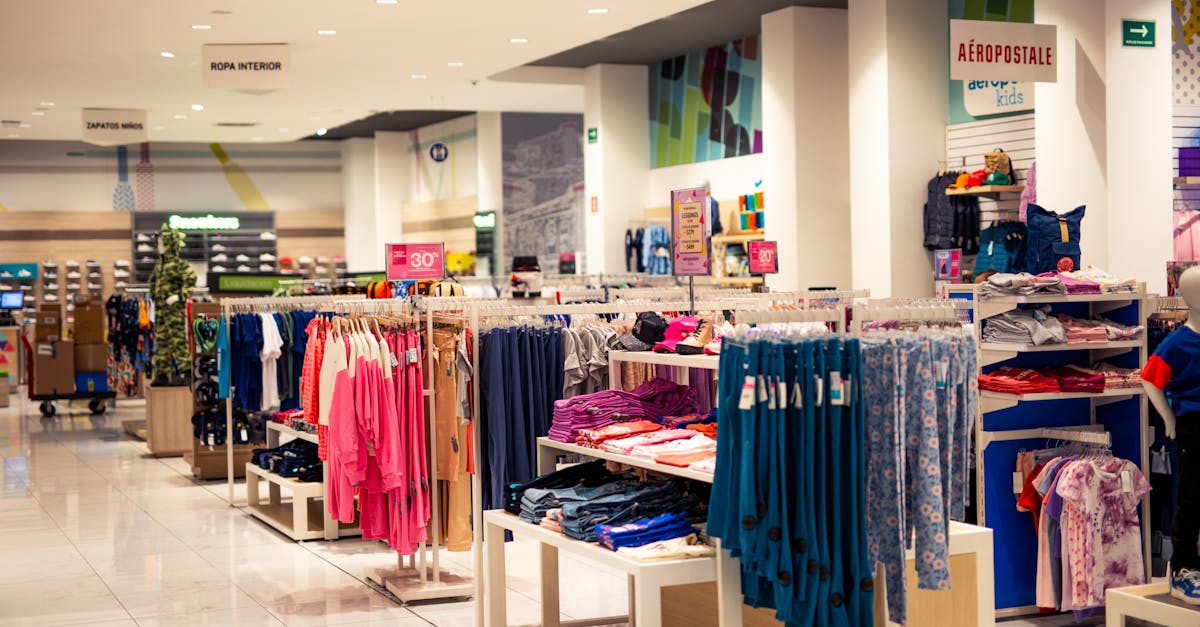
Inflation has permeated across essential sectors, with food and energy costs bearing the brunt of price increases. The Bureau of Labor Statistics reports an increase in food prices of about 5.9% over the past year, while energy expenditures soared by 8.5%. The impact is twofold: consumers are not just paying more for everyday essentials but are also reallocating their budgets, favoring necessities over discretionary purchases. This dynamic has become evident in retail spending patterns, where non-essential segments like electronics and clothing have experienced noticeable declines.
Household expenditures reflect these changes directly; more families are tightening their belts. A recent report indicates that over 70% of surveyed households have either reduced their spending or shifted their purchases to budget-friendly options. This approach has led to a steep decline in overall retail sales, which fell by 1.2% month-over-month in February 2026. The combination of inflation and behavior change signals a consumer landscape in flux, with many prioritizing savings as a hedge against further economic uncertainty.
The ripple effects of this spending slowdown are profound. Retailers are responding by recalibrating inventory levels and discounting items to stimulate demand, which may further compress profit margins across various sectors. For households, the squeeze on spending not only affects current economic vitality but also foreshadows potentially slower GDP growth in the coming quarters, as personal consumption accounts for about two-thirds of economic activity.
On an individual level, the impact can be deeply felt; with inflation eroding real wages, especially for lower-income households, many consumers now find themselves in a precarious position. Reports indicate that nearly 40% of families are relying on credit more than ever, with average credit card debt reaching an all-time high. This trend exacerbates financial anxiety, as rising interest rates add an additional layer of stress for borrowers.
In this atmosphere of cautious optimism and tightening budgets, human behavior becomes a pivotal factor in the economic recovery narrative. Businesses and policymakers alike must pay close attention to consumer sentiment, as shifts in spending can either bolster or hinder efforts to stabilize the economy. The challenge ahead is not merely to manage inflation but to understand the evolving dynamics of American consumer confidence and spending.
As the economy navigates these turbulent waters, the key lies in monitoring the reactions of consumers—how they adapt today may guide tomorrow’s economic recovery.