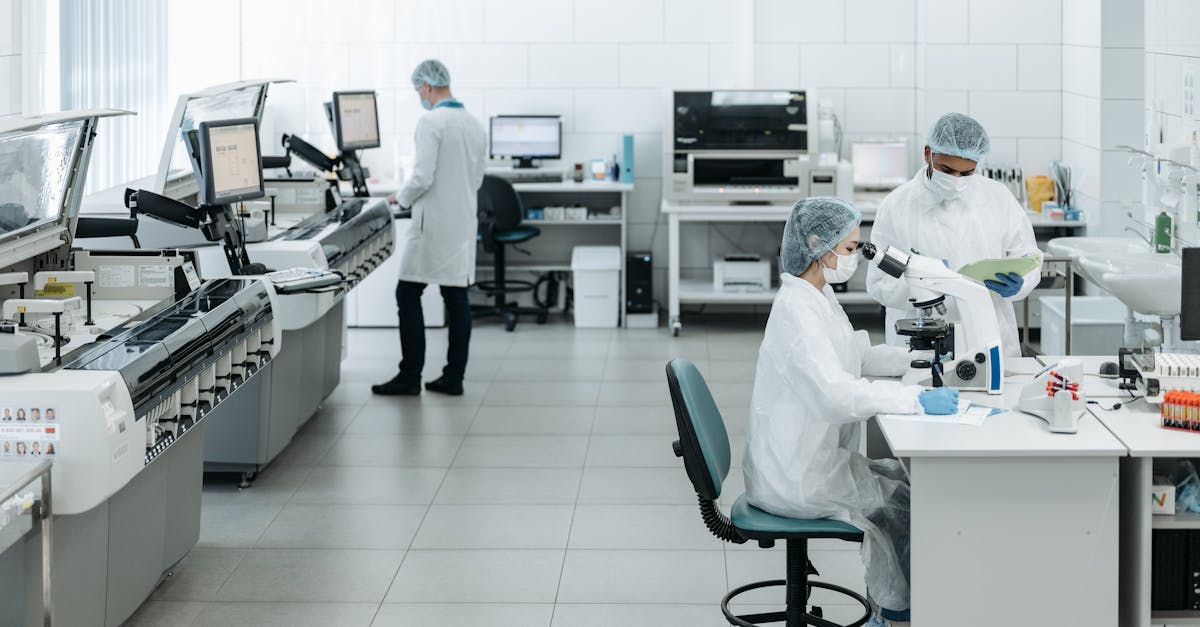
Research and Development Investment Hits an All-Time High
A remarkable $660 billion was allocated to research and development (R&D) in the U.S. last year, positioning the nation at the forefront of global innovation. This figure not only underscores the United States’ commitment to scientific advancement but also reveals a staggering increase of 8.5% from the previous year. Despite rising inflation, with rates sitting at 3.3%, R&D spending has defied economic headwinds, reflecting a robust belief in the power of innovation.
Global Context: Where the U.S. Stands
To appreciate this investment, it’s essential to consider the global landscape. According to the OECD, the U.S. accounted for approximately 29% of global R&D spending, leading a list topped by countries like China and Germany, which followed behind at 24% and 10% respectively. China’s R&D expenditure has been soaring, reaching around $550 billion last year, but it still lags behind the U.S. in terms of per capita investment, reflecting differing attitudes toward innovation.
The Corporate Landscape’s Support for Innovation
Breaking down that total U.S. number, large corporations play a significant role, contributing about 70% of the R&D funding. Major players in tech and pharmaceuticals such as Amazon and Pfizer upped their investments, with Amazon’s R&D expense skyrocketing to $57 billion, a clear indicator of faith in technology-led growth. This spending is a testament to the belief that, in the long run, innovation will yield substantial economic dividends, especially as the Federal Reserve currently keeps interest rates at 3.64%, allowing businesses to borrow for expansion without steep financial burdens.
Innovation: A Battleground for Competitive Advantage
Critical to maintaining economic growth is the rate of innovation that businesses can achieve. The National Science Foundation found that companies with higher R&D commitments yield notable productivity gains. Those that spent heavily on technology saw significant boosts in their operational efficiency, enhancing their competitive positioning domestically and abroad. Markets today, influenced by fast-paced technological changes, are requiring companies not just to invest, but to innovate relentlessly.
Labor Market: A Double-Edged Sword
While R&D promises future prosperity, it has consequences for the labor market. The unemployment rate currently stands at 4.3%, and innovation often leads to job displacement in traditional sectors. However, a positive side is emerging; new technologies typically foster the creation of novel job categories, which necessitates a shift in workforce skills. Training programs must evolve alongside the wave of innovation to prepare workers for these transformations rather than be left behind.
Caution Amidst Growth
However, the landscape is not without its challenges. A serene investment environment is susceptible to changes in economic conditions. The Fed’s interest rate policy is pivotal here; should rates rise considerably as inflation pressures persist, financing for R&D projects could tighten, potentially styming this growth. Companies may be forced to reassess their long-term innovation strategies, influencing everything from product development to workforce expansion.
Venture Capital’s Role in Fueling Growth
In the venture capital arena, the outlook remains vibrant, with U.S. startups receiving over $150 billion in funding last year alone, approximately 30% more than in the preceding year. This influx showcases a relentless appetite for innovation in sectors such as biotechnology and artificial intelligence. Each venture that secures funding represents a potentially transformative idea that could reshape entire industries.
The ongoing narrative of innovation and R&D investment in the U.S. is one not just of growth, but of strategic evolution. By actively engaging with technological advancements and preparing people for future job roles, America might steer towards a burgeoning era of scientific achievement — one that could propel the nation into uncharted economic paradigms.