The Rate That Defines the Economy
As of March 1, 2026, the United States Federal Reserve’s interest rate rests at 3.64%, a critical figure reflecting the complex interplay between inflation, economic growth, and monetary policy. This relatively high rate is pivotal as the Fed aims to temper overheating in certain sectors while fostering stability.
An Eye on Global Context
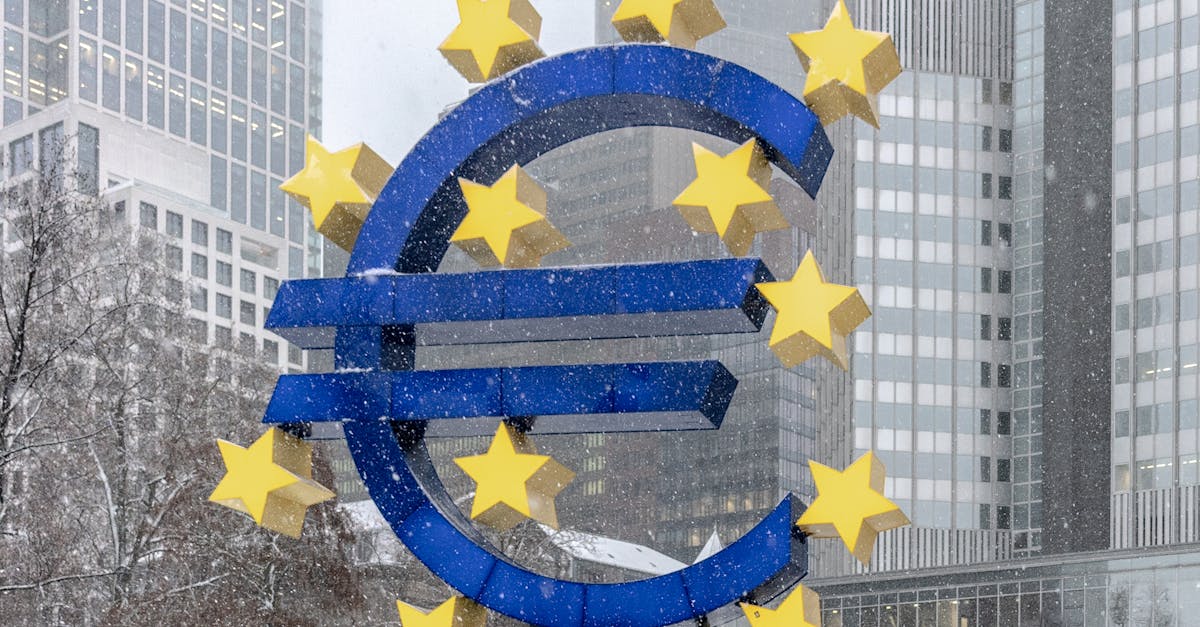
Comparing this with international peers, the U.S. stands out. For instance, the European Central Bank’s interest rate is approximately 3.00% as of the same date, and the Bank of England has recently set its rate at around 4.50%. This divergence signals differing approaches to economic recovery and inflation control. Higher rates in the U.S. may position it as a slightly more attractive destination for foreign investment, as investors seek better returns, navigating the global financial landscape with interest rates in mind.
A Year in Review: Change versus Stability
One year ago, rates were considerably lower — at a mere 2.25%. This hike to 3.64% marks a significant shift, underscoring the Fed’s resolute effort to counter inflation that reached a staggering 8.0% year-on-year in 2023. Households now face higher borrowing costs that can stifle spending, as credit card rates and mortgage rates follow suit. Observers realize that such escalations in rates are meant to cool consumer demand, encouraging savings over expenditure.
What Does This Mean for Borrowers and Savers?
Individuals seeking mortgages or personal loans are grappling with a stark reality. The average 30-year fixed mortgage rate has escalated to around 6.8%, a significant barrier for first-time homebuyers. This surge not only discourages new purchases but can also slow the housing market, which has recently shown signs of stagnation with existing home sales dropping by over 12% compared to last year. On the flip side, savers have reason to cheer; higher rates in savings accounts can finally offer some reprieve from years of negligible returns, allowing for greater financial security.
Corporate Borrowing: The Hidden Impacts
Businesses are also feeling the weight of the new interest landscape. Corporate borrowing costs have ascended as the Fed’s strategy evolves. The cost of financing for capital projects has risen significantly, forcing companies to reassess their expansion plans and operational budgets. Tightening access to credit could result in a slowdown in capital investments, which is essential for long-term growth.
The Balancing Act Ahead
As the Federal Reserve navigates this challenging economic terrain, the balance between combating inflation and ensuring economic growth becomes increasingly delicate. Federal Reserve Chair Jerome Powell has hinted at a cautious approach moving forward, leaving markets and analysts eager to decipher upcoming monetary policy shifts. Inflation does show signs of moderation, with the most recent figures pointing to a deceleration; this could open the door for a gradual easing of rates in future meetings.
Contemplating the unfolding economic narrative, stakeholders from households to large corporations will need to adapt to a changed borrowing environment. As the Fed remains committed to its mandate, the trajectory of interest rates will be one of the critical narratives shaping the economic landscape for the foreseeable future.