A Significant Surge
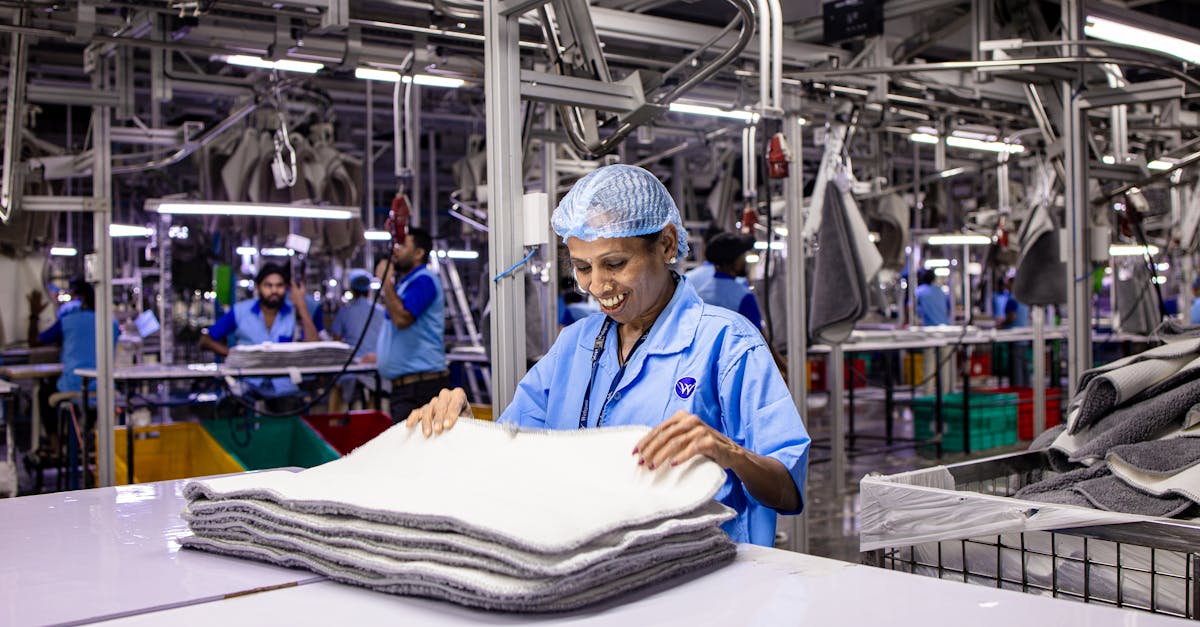
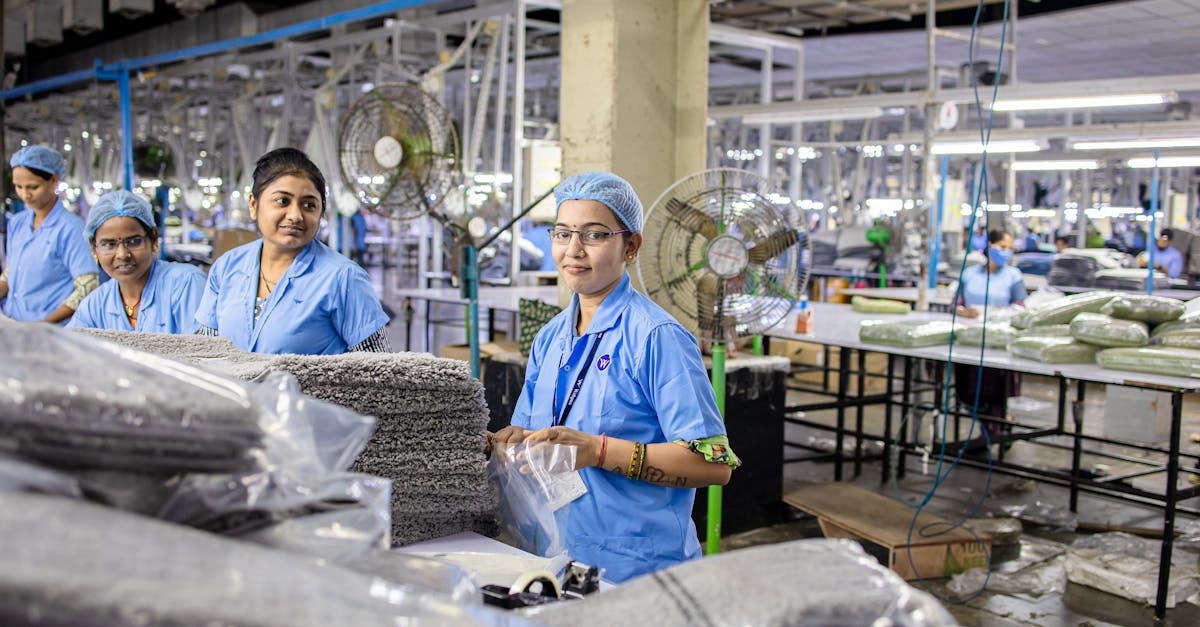
U.S. labor productivity has experienced a striking increase, with a 3.4% rise in the fourth quarter of 2025—the fastest since the onset of the pandemic. This surge underscores a critical moment for the American workforce, as companies are increasingly leveraging technology and streamlining operations to enhance output amid economic pressures.
Contextualizing the Gains
When juxtaposed with 2024, when productivity growth languished at a mere 1.5%, the transformation becomes even more notable. The recent uptick indicates not just a recovery from the pandemic’s economic aftershocks but an intentional shift in how businesses are operating. Additionally, the productivity rate stands in sharp contrast to the Eurozone, where the average productivity growth was just about 1.8% last year. This comparison highlights the competitive edge that U.S. firms may gain if this trend continues.
The Bigger Picture
Delving deeper, the productivity increases have occurred against a backdrop of persistent inflation, currently clocking in at 2.4%. This juxtaposition represents a form of unintended alchemy: as prices rise, the need for efficient production processes escalates. Employers are not only responding to rising costs but are motivated to invest in technologies that promise long-term savings.
Moreover, the labor market is feeling the effects, with unemployment holding at 4.3% in March—the lowest point in over two years. Companies are facing tighter labor conditions, which is prompting them to focus more on maximizing productivity rather than merely expanding headcounts.
Interest Rates and Their Role
Simultaneously, interest rates resonate with these productivity dynamics. The current rate of 3.64% shows the Federal Reserve’s efforts to temper inflation without stifling growth. Higher borrowing costs historically lead businesses to scrutinize their spending closely, often resulting in greater investment in technology and training rather than labor—further boosting productivity.
A Dual-Edged Sword
While the growth in labor productivity comes as a boon, it also poses challenges. The displacement of workers due to increasing automation and efficiency measures could lead to a widening disparity in income and opportunity, a factor businesses must navigate carefully. The economic landscape could see a bifurcation where skilled workers thrive, while those in less adaptable roles face challenges in maintaining employment.
An Evolving Narrative
As we look to the horizon, the interplay between productivity, inflation, and employment will define the next phase of the U.S. economy. The focus will likely shift toward how businesses can continue this upward trajectory without exacerbating inequality or labor unrest. Policymakers, businesses, and workers will have to collaborate effectively to craft an economic narrative that allows for growth without leaving segments of the population behind. Transitioning toward a high-productivity environment could become the hallmark of the U.S economy, but it won’t be without its reckoning.