Productivity Takes a Breather
At a time when heightened inflation weighs on consumers and a cooling job market raises eyebrows, U.S. labor productivity has shown signs of stagnation. Data from the Bureau of Labor Statistics reveals that nonfarm labor productivity experienced an annual increase of just 1.5% in the first quarter of the year, a stark contrast to 3.2% during the same quarter last year. This softening growth index raises questions about the resilience of the U.S. economy in the face of rising costs and shifting interest rates.
Softening Pace vs. the Global Sphere
When juxtaposed with productivity rates abroad, the U.S. has much to ponder. According to OECD statistics, countries like Germany achieved a productivity increase of 2.8% over the same period, putting the U.S. at a considerable disadvantage. As inflation hits 3.8%, the effectiveness of U.S. labor is increasingly under scrutiny against these more productive benchmarks.
A Disrupted Economic Landscape
While addressing productivity, it’s vital to recognize the economic environment surrounding it. The unemployment rate sits at 4.3%, indicating a job market showing signs of strain, a feeling echoed by many Americans navigating the financial landscape amidst rising living costs. Compounding these challenges, the Federal Reserve’s interest rate has adjusted to 3.63%, significantly impacting businesses’ operational costs and investment decisions as they bank on cautious expansion amidst an uncertain economy.
Industry-Specific Disparities
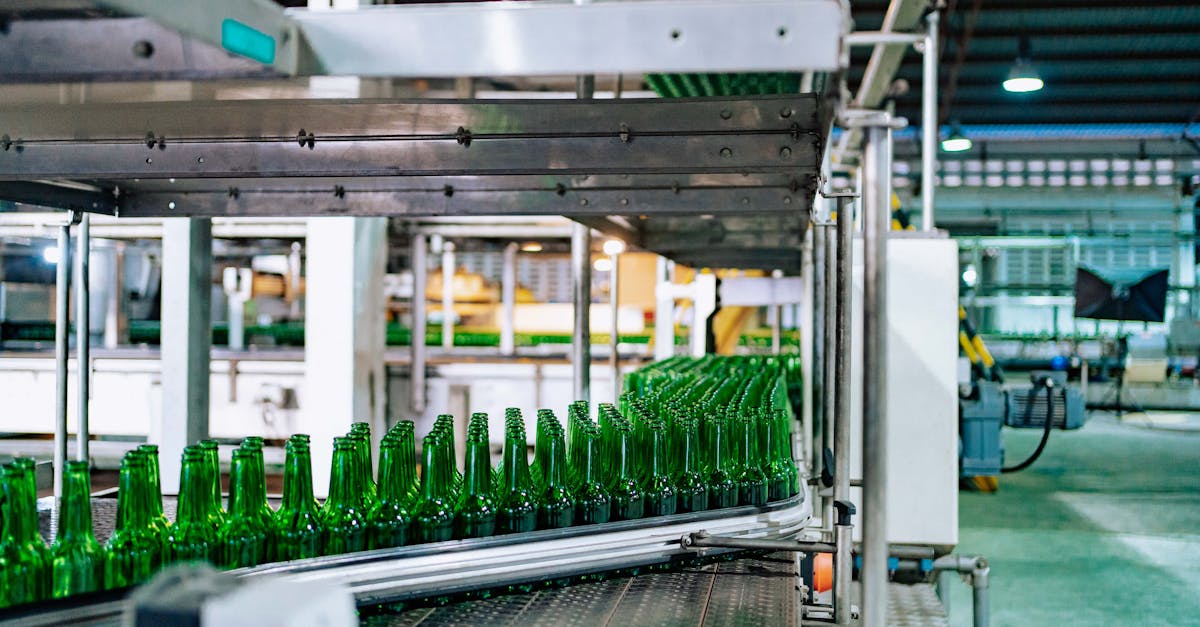
Diving deeper into sector-specific productivity, we find notable disparities. Manufacturing continues to drive higher growth metrics, with a robust productivity uplift of 2.9%. Conversely, the service sector, which typically dominates the U.S. economy, languished with an increase of just 0.8%. This divergence suggests that while some industries manage to innovate and grow, others are still grappling with outdated practices and structures in a rapidly evolving economy.
The Labor Equation
A critical question centers on labor dynamics: are workers equipped to meet the demands of modern industries? Increasing automation and technological advancements create both opportunities and challenges for the workforce. Businesses must find the right balance of investment in technology and human capital to ensure productivity does not stall. However, with current inflationary pressures, companies may be hesitant to significantly ramp up investment, further entrenching the stagnation trend.
Navigating Tomorrow’s Landscape
Looking ahead, the path forward for U.S. labor productivity carries both potential and peril. As businesses navigate the delicate balance of managing costs amid inflation and changing interest rates, the imperative to innovate and adapt grows crucial. With global competitors optimizing their productivity rates, the U.S. must leverage its workforce capabilities to reclaim its edge.
In a world where efficiency reigns supreme, the ability to rethink labor practices may very well dictate the economic narratives of the future.