Labor Productivity: A Crucial Metric for U.S. Economic Resilience
A sharp decline in U.S. labor productivity—down 4.2% in the first quarter—has raised immediate alarms among economists and policymakers alike. This dip marks the first significant drop in nearly two years, casting shadows over economic growth prospects.
Contextualizing the Numbers
The latest data from the Bureau of Labor Statistics highlights not only the stark fall but places it within a broader context. The decline contrasts sharply with the previous quarter’s productivity surge of 6.3%, creating a volatile scene in a labor market grappling with mixed signals. As U.S. businesses brace for the future, this reduction signifies challenges ahead in maintaining economic momentum while facing inflationary pressures hitting 4.2%.
Internationally, U.S. labor productivity remains competitive yet trails behind several industrialized nations. For instance, Germany boasted a productivity increase nearing 3%, while the UK managed a modest rise amidst its own economic turbulence. The United States, historically the leader in labor efficiency, now must reevaluate its strategies to ensure this decline does not become a persistent trend.
The Labor Landscape and Economic Indicators
Accompanying the productivity decline is an unemployment rate of 4.3%, which, while relatively stable, suggests an underlying tension in the labor market. Firms are struggling to maintain output levels amidst rising wage demands and operational costs, creating a precarious balance. These dynamics are exacerbated by an interest rate standing at 3.63%, making borrowing costlier for businesses looking to expand operations or invest in technology that could enhance productivity.
Sectoral Disparities
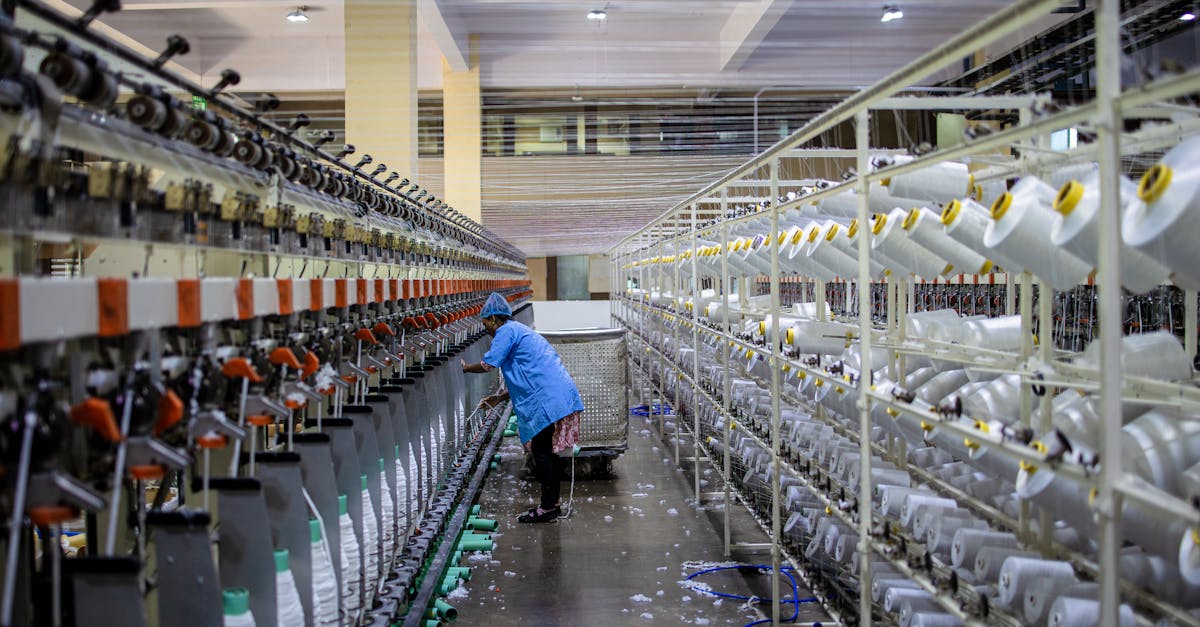
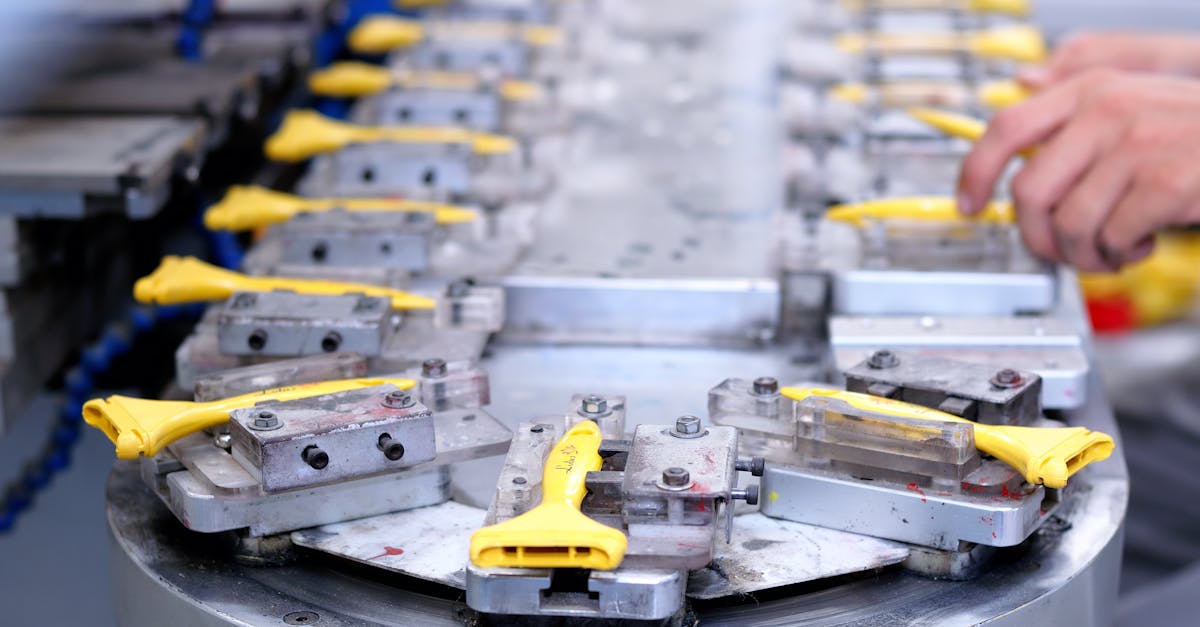
Labor productivity is not uniform across all sectors. For example, technology and finance have shown resilience, with tech firms reporting significant productivity gains as they continue to implement automation and digital solutions. Conversely, sectors like manufacturing and hospitality experienced notable setbacks, struggling with both labor shortages and inflation’s impact on input costs. Understanding these sectoral nuances is critical for crafting targeted responses.
The Road Ahead
Diminished productivity raises pressing questions about the vitality of U.S. economic growth strategies. Concerns mount that sustained inflation and creeping interest rates could further erode consumer confidence and spending, creating a vicious cycle. A collective effort across sectors to invest in workforce training and technological advancements may be vital. Additionally, a decisive policy framework aimed at stabilizing the labor market and enhancing productivity metrics will be indispensable.
As businesses and government entities look to reverse this trend, innovation and adaptation will be key components of U.S. economic resilience. The coming months will test just how effectively the country can navigate these economic currents while keeping its place among the world’s leading economies, all set against the backdrop of fluctuating global markets. Additionally, the interplay between productivity, inflation, and employment will remain a focal point for economic discussions.
Reimagining labor productivity in the face of adversity could lay the foundation for a more robust economic future, but only if the right shifts are made in strategy and investment.