Inflation Pressures: 3.3% and Climbing
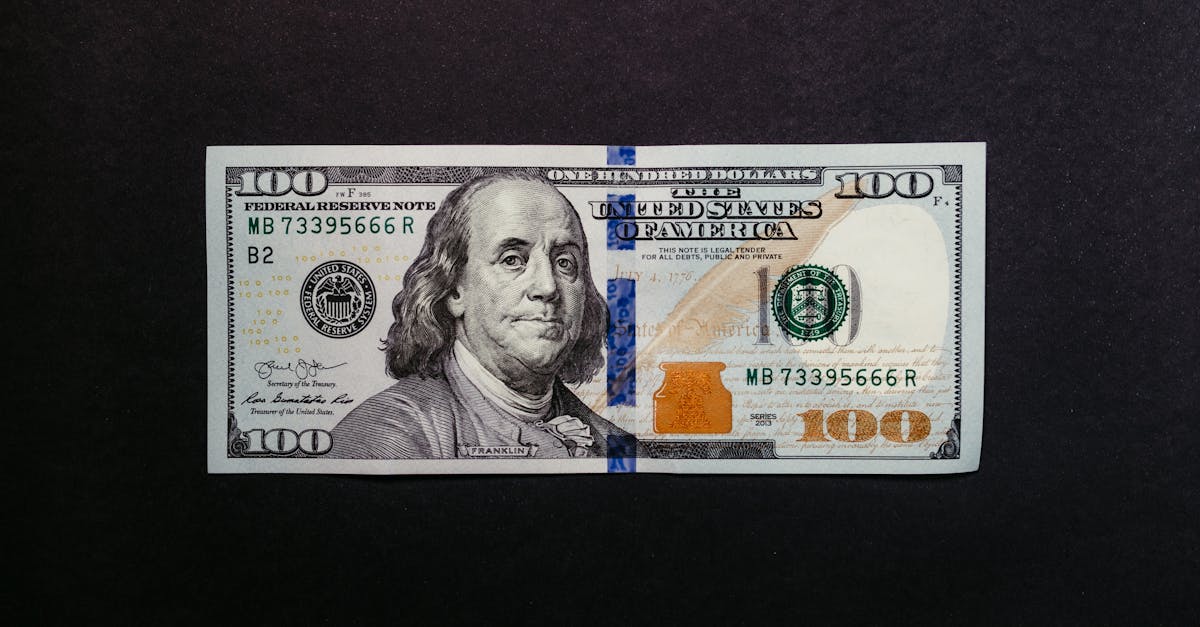
Inflation has hit a striking 3.3%, a figure that sends shivers down the spines of economists and everyday consumers alike. This level of price increase reflects a continuing push in the economic landscape, where the Federal Reserve has been actively seeking to control soaring costs through monetary policy. When last year’s 1.2% inflation is compared to these current numbers, it’s evident that household budgets are feeling the crunch.
Rate Adjustments: The Fed’s Game Plan
The Federal Reserve, tasked with maintaining economic stability, has responded by adjusting the interest rate to 3.64%. This decision is not arbitrary but a strategic effort to balance growth against the threat of runaway inflation. For instance, the previous rate, set lower, allowed for easy borrowing, which fueled consumer spending but came at a cost of escalating prices. The Fed’s tightening grip means mortgage rates and credit card costs might soon see shifts that will impact many directly.
The Ripple Effect: Borrowing and Spending
This environment of higher interest rates means borrowing comes with a heftier price tag. For a potential homebuyer looking at a median home price of approximately $400,000, an increase in the rate from 3% to 3.64% translates to roughly $152 more monthly in mortgage payments, adding up to nearly $1,824 more each year. For many, this could mean the difference between purchasing a home or waiting longer, as fewer can comfortably handle heightened monthly commitments.
Everyday Decisions: The Consumer’s Balancing Act
Consumers are not just feeling it at the bank; these monetary shifts influence everyday decisions. From purchasing power to saving strategies, the current inflation rate has diminished what some families can buy without straining finances. Necessities like groceries, which continue to rise in price, push consumers to reconsider budgets and purchasing habits, illustrating how monetary policy seeps into daily life.
Economic Growth vs. Stability
As the Fed tries to navigate the fine line between curbing inflation and supporting economic growth, the implications are complex. A carefully orchestrated monetary policy should stabilize inflation without cooling consumer spending and investment too drastically. However, if inflation continues to rise, it could prompt further rate hikes, affecting everything from job markets to retirement savings.
Tracking the Future: What’s Next?
With looming questions surrounding inflation and rates, consumers remain keenly interested in how these dynamics will evolve. The Fed’s next steps in monetary policy could pave the way for a more sustainable economic environment or further complicate consumer experiences nationwide.