A Nation of Haves and Have-Nots
There’s a paradox sweeping across the United States: while the economy shows signs of recovery—with a stable unemployment rate of 4.3% and inflation cooling at 3.8%—the chasm between the wealthy and the poor is widening. The apparent economic resurgence does not tell the whole story; for many Americans, it feels more like a distant mirage than a shared outcome.
Aspirational Figures Against Harsh Realities
Proponents of the current economic policies herald low unemployment rates as a victory over systemic joblessness and a sign of prosperity. Yet, beneath this surface-level optimism lies an unsettling truth—real wages are stagnating for lower and middle-income workers. Even as GDP grows and corporate profits soar, the incomes of the average worker have failed to keep pace with inflation. In fact, the real average hourly earnings adjusted for inflation have barely moved, reflecting a stark divergence between the expectations of economic uplift and the harsh realities many encounter daily.
This juxtaposition raises a crucial point of contention: who truly benefits from economic growth? The top 10% of earners control more than 70% of the nation’s wealth, according to the Federal Reserve’s distribution data. On the flip side, the bottom 50% holds just 2%. The winners in this game of economic stratification are increasingly disconnected from the struggles of everyday Americans.
The Hidden Trends Beneath the Surface
Amid dominant narratives touting employment growth and economic optimism, certain demographic segments face a palpable decline in their economic standing. Studies from the Bureau of Labor Statistics reveal that Black and Hispanic workers are disproportionately affected by job volatility and wage stagnation. The promised benefits of economic recovery have largely evaded these groups, highlighting a deep-rooted systemic issue that rarely finds its way into mainstream headlines.
Furthermore, a sectoral analysis underscores significant disparities. Technology and finance sectors boast surging salaries, drawing talent and investment that drive an ever-widening income gap compared to retail and service jobs that remain chronically underpaid. This division speaks volumes about the valuation of ‘essential work’ in our economy, leaving many to wonder: what is the real cost of this economic recovery for those in the trenches?
The Global Perspective on Inequality
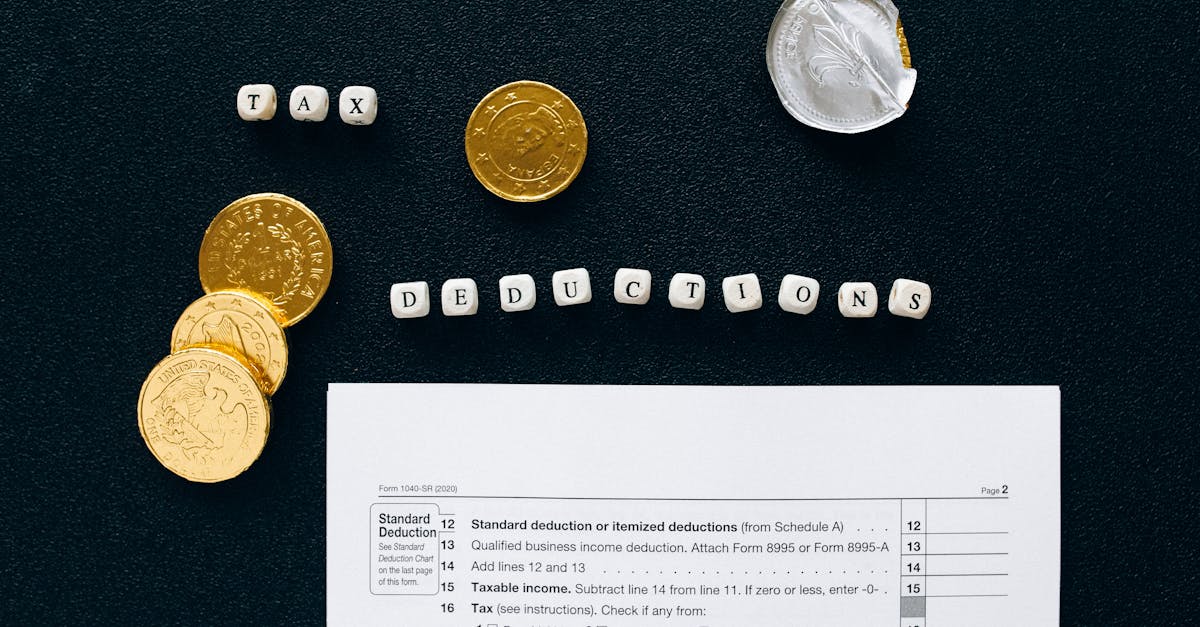
When looking at income inequality through an international lens, the United States appears even more isolated. Many developed nations with similar GDP growth rates have managed to implement social policies that mitigate inequality, such as robust taxation frameworks and comprehensive support systems. For instance, Scandinavian countries, with their high tax regimes, have successfully kept income inequality at bay while fostering an environment that promotes social mobility. In stark contrast, the U.S. tax system benefits the affluent, perpetuating a cycle of wealth consolidation and limiting upward mobility.
It turns out that the shifting economic landscape harbors winners who bask in the spoils of expansion and losers left to navigate an increasingly difficult terrain. The psychological impact on those feeling left behind often manifests in lower consumer confidence and strained societal norms, suggesting that economic indicators alone do not encapsulate the lived experiences of all.
Where Do We Go From Here?
The growing awareness of these disparities forces a critical examination of social contracts and political accountability. As fiscal debates rage in the halls of power, the question looms larger: how do we reconcile the economic boom for a select few with the persistent struggles of the many? With essential debates around minimum wage increases and equitable taxation policies taking center stage, one must ponder what direction we will collectively choose to navigate this widening abyss.
As conversations around income inequality intensify, society stands at a decisive fork in the road. The choices made in the coming years will either forge a more equitable future or entrench existing disparities further. How we address the contradictions in our economic recovery will determine the fate of millions who remain precariously perched, waiting for a change that has yet to come.