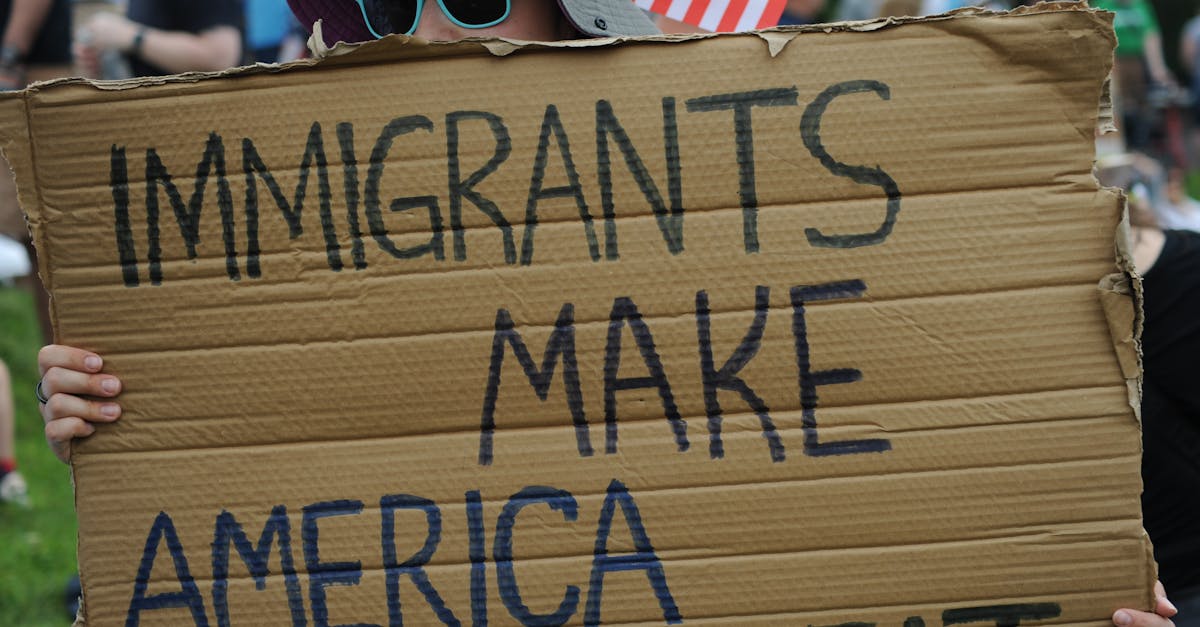
A Contradiction in Growth
The United States is grappling with an economic paradox: while an influx of immigrants is often hailed as a boon for labor markets and innovation, reality reveals a complex tapestry where the benefits are unevenly distributed. The Bureau of Labor Statistics reports an unemployment rate of 4.3%, presenting a robust job landscape. However, beneath this seemingly optimistic figure lie regions and sectors grappling with deteriorating job security, particularly in low-wage industries often reliant on immigrant labor.
Sectorial Disparities: Winners and Losers
The high-tech sector stands as a shining example of immigration’s potential. Silicon Valley’s technophiles — many of whom are immigrants — have propelled the technology industry to unmatched heights, with the tech sector contributing nearly 10% to U.S. GDP. Conversely, agricultural and construction industries, which significantly depend on migrant labor, are witnessing increased exploitation as inflation bites. As of April, the inflation rate sits at 3.8% according to the BLS, squeezing profit margins and amplifying worker discontent. In these sectors, rising costs and stagnant wages create a scenario where many immigrants see no upward mobility despite their efforts, straddling the line between necessity and vulnerability.
The Hidden Trend: Education vs. Employment
While headlines often celebrate immigrant entrepreneurs building businesses, a less-discussed narrative emerges when examining educational achievements versus employment realities. Many immigrants arrive armed with advanced degrees, yet the struggle for recognition in the labor market is staggering. According to the Federal Reserve, interest rates have levelled off at 3.64%, indicating cautious borrowing. This climate does not favor small immigrant-run startups, often shut out of traditional financing channels, limiting their growth potential. The expectation is clear: educated immigrants should lead to skilled job creation. However, the outcome illustrates a stark reality where many remain in low-skill, low-wage jobs, highlighting a systemic misalignment in the labor market.
Regions in Distress: A Country Divided
Consider the contrasting economic environments in states like California versus those in the Midwest. While California’s economy has surged, bolstered by the influx of tech-savvy immigrants, states like Ohio and Michigan struggle with stagnant growth in manufacturing — a sector that has seen a significant decline in low-skilled immigrant workers as traditional routes are curtailed. This regional disparity lays bare a troubling truth: the benefits of immigration are not evenly shared, breeding resentment and political polarization that complicate further reforms.
The Conundrum of Expectation vs. Reality
Despite a broader narrative that frames immigration as uniformly positive, the reality reveals a more nuanced, tension-filled reality. Economic models often project job creation driven by immigrant contributions; recent reports show that many immigrants occupy jobs that locals are unwilling to take, filling crucial gaps yet also competing for a shrinking pool of low-wage positions. As economic growth continues, the differential impact raises questions about sustainability — or whether benefits will ultimately favor the affluent, leaving the underprivileged sluggishly behind.
The Decisive Fork Ahead
With the 2024 elections approaching, the immigration debate is likely to intensify. Political parties stand at a crossroads: embrace a reform that enhances the labor market for all or continue fueling an environment that pits workers against each other. Will the focus shift toward creating a more equitable economic landscape, or will it remain mired in turf wars over federal resources? As the U.S. economy pivots and teeters on the brink of uncertain waters, the next steps in immigration policy might just define the trajectory of prosperity for years to come.