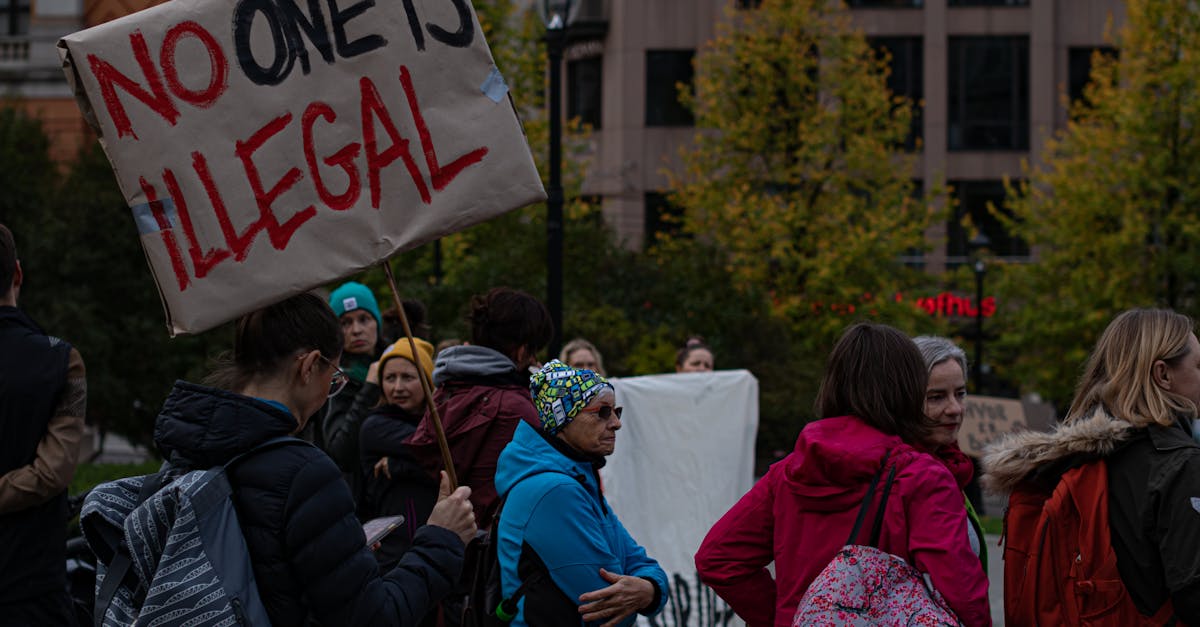
Defying Expectations
Imagine the bustling streets of America, where each corner cafe and tech startup feels the pulse of immigrant energy. Common folklore often suggests that more immigrants mean greater economic opportunity; yet data tells a more nuanced story. While the Bureau of Labor Statistics has reported a stable unemployment rate hovering at 4.3%, raises in inflation to 3.8% hint at underlying pressures that portray a mixed picture.
Fractured Economic Landscape
Expectations often paint immigrants as sheer economic contributors. However, disaggregating the outcomes reveals stark contrasts across demographics and sectors. The tech industry, rife with reliance on skilled foreign labor, continues to thrive. For instance, Silicon Valley’s workforce has become 30% immigrant-driven, potentially creating a higher output per capita than regions where native laborers dominate.
In contrast, sectors like manufacturing and low-skill jobs face challenges. Local labor markets are exerted under the weight of increased competition, with some regions reporting wage stagnation. Across the Midwest, the ripple effects of immigration have led to a dichotomy in community experiences—urban centers experience revitalization while rural areas, often providing fewer opportunities, grapple with displacement and economic isolation.
The Unspoken Trends
Hidden beneath the surface, however, there’s a startling development not often captured in headlines. The dynamics of immigration have birthed significant regional disparities in economic growth. The Federal Reserve’s interest rate sits at 3.64%, a figure that raises alarms as rising costs hinder new business formations and expansions, particularly in states with strained native employment. A corollary arises as many potential business owners—often immigrants themselves—find financial barriers rooted in a higher cost of capital.
The complexities of inflation too cast a shadow. A population influx, ostensibly beneficial in spurring economic demand, also intensifies pressure on prices. Housing markets are squeezed as new demand pushes up rents, leaving long-time residents grappling with affordability crises. Consequently, the promised economic boon for towns also comes enveloped in rising living costs, chiefly impacting the very communities welcoming immigrants.
Divergent Experiences: Winners and Losers
While innovation-driven sectors highlight the contributions of immigrants, it becomes painfully evident that not every community shares in this fortune. An immigrant working in tech may be thriving while a local factory worker sees a decrease in job opportunities and stagnated wages. This disparity manifests nationally, as metropolitan hubs emerge vibrant and affluent while less populated areas decline, reflecting a country at odds with itself.
What becomes of communities that do not benefit from the influx? Their voices, often drowned out in broader economic discussions, reveal a fabric coming unraveled. Reports indicate that in counties with increasing immigration, public sentiment frequently aligns at a paradoxical stance against newcomers, stemming from economic dislocation rather than genuine cultural opposition.
The Fork in the Road
So, where does the U.S. head from here? The increasingly polarized landscape begs the question: can there be a united approach to harnessing the economic benefits of immigration without negating the struggles of existing communities? The tension between innovation and tradition, between cities gaining vitality and towns struggling to keep pace, presents an urgent dilemma. Crucially, can policymakers navigate this terrain effectively, or is the nation destined to see pockets of promise next to swathes of discontent? The impending decision-making appears to crystallize: if immigration is to continue as a pillar of growth, how will it be reconciled with the needs of those feeling left behind?
As citizens engage with these pressing questions, the looming paradox remains stark: opportunities abound, but at what cost to community cohesion?