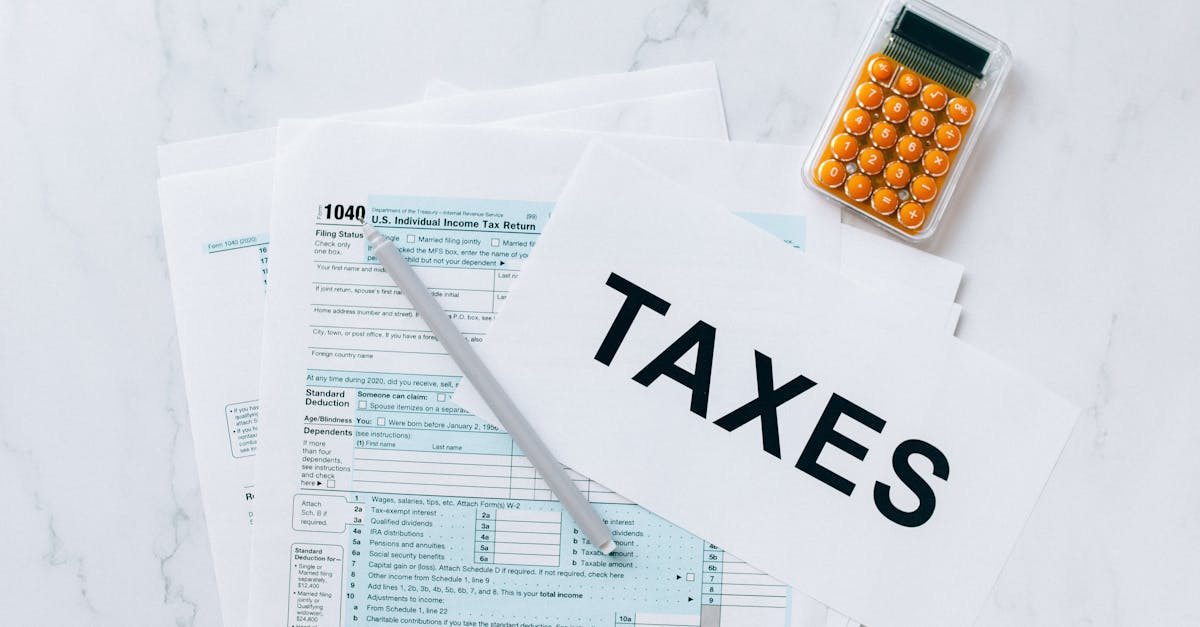
How does the U.S. Tax System Influence Economic Lives?
The U.S. tax system often raises questions about its fairness and effectiveness. Why do some families struggle financially while others thrive? The answer lies in a complex interplay of policy choices, tax structures, and socioeconomic dynamics.
Taxation has profound implications for individual citizens and the broader economy. It works as a fiscal tool designed to fund public services, yet the intricacies of the system can exacerbate wealth inequality, influence consumption patterns, and affect employment opportunities.
The Dynamics of Tax Policies
-
Cause: Progressive Tax Rates
The U.S. employs a progressive income tax system. Higher earners pay a larger percentage of their income in taxes, while lower-income groups pay a smaller share. -
Mechanism: Redistribution of Wealth
This model aims to redistribute wealth to equalize opportunities. Essential government services like education, healthcare, and infrastructure rely heavily on tax revenues. However, the effect of this redistribution varies widely. For instance, families with lower incomes often benefit from refundable tax credits, which can bolster their spending power, yet they may still feel the sting of inflation. With inflation at 2.4%, the purchasing power of these families is under pressure, despite financial assistance. -
Effect on Real People
For many Americans, the experience of taxation can be frustrating. Consider a single mother earning $40,000 annually. She pays a smaller percentage in taxes due to her income bracket, yet she still bears the consequences of reduced government services. Rising costs and stalling wages—with unemployment at 4.4%—can make it difficult for her to make ends meet.
The Burden of Consumption Taxes
When evaluating tax structures, it’s essential to examine consumption taxes like sales taxes. These regressive taxes disproportionately impact lower-income families, who spend a larger share of their income on goods and services.
- Impact on Spending: As the Federal Reserve has set interest rates at 3.64%, this can affect borrowing costs, dissuading consumers from making larger purchases. This can lead to decreased demand, which may hurt small businesses and overall economic growth.
Corporate Taxes and Their Ripple Effects
Corporate taxation is another critical angle. While corporations are often seen as the primary offenders in tax avoidance, the ultimate cost frequently trickles down to consumers and employees. Companies may respond to high tax rates by cutting jobs or limiting wage increases, feeding back into the cycle of economic stagnation. Consequently, workers in affected industries face tighter budgets and fewer opportunities.
What to Watch
Looking toward the future, the potential for tax reform is always on the political horizon. As discussions of wealth taxes and changes to the corporate tax structure gain traction, understanding their implications will be crucial. Watching how inflation affects consumer sentiment and behavior, alongside shifting political landscapes, could provide insight into the future direction of the U.S. tax system.
The interconnectedness of taxation, inflation, and employment will continue to shape the economic landscape. Tracking these developments will provide clarity on how effectively the tax system addresses inequality and supports growth.