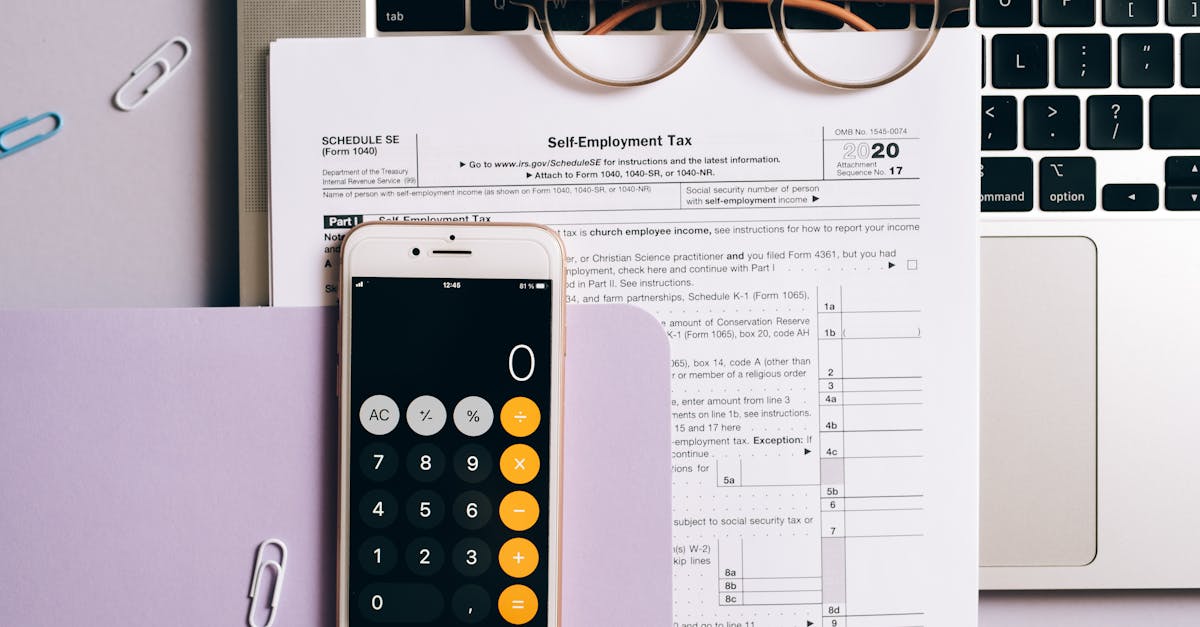
Why Is the Tax System So Crucial?
How does the U.S. tax system influence the daily lives of its citizens? At its core, the tax framework serves as both a source of revenue for government functions and a mechanism for addressing economic inequality. With a progressive structure, individuals with higher incomes contribute a larger percentage of their earnings compared to those with lower incomes. This distribution of tax burdens plays a significant role in shaping both individual incentives and broader economic health.
The Cause-Effect Chain: Taxation and Its Outcomes
When the government establishes tax rates, it not only dictates how much money will flow into public coffers but also influences behavior. Consider the following dynamics:
- Cause: A higher corporate tax rate might seem beneficial for increasing government revenue.
- Mechanism: However, if businesses face steeper taxes, they may opt to relocate operations overseas to lower-tax environments.
- Effect on Real People: This relocation can lead to job losses and reduced local investment, ultimately affecting community economic vitality.
On the individual side, consider how tax brackets work. For example, an increase in income might push taxpayers into a higher bracket, causing them to pay an increased percentage of their income in taxes. This progressive tax structure aims to redistribute wealth, fostering social equity but can also disincentivize additional work for higher earners, leading to an economic balancing act.
Key Figures Shaping the Landscape
- 2026 Inflation Rate: 3.3%
- 2026 Unemployment Rate: 4.3%
- 2026 Interest Rate: 3.64%
The Role of Deductions and Credits
Deductions and credits add complexity to tax calculations. For many households, the ability to itemize deductions for mortgage interest or receive credits such as the Child Tax Credit significantly reduces taxable income. This plays a vital role in household finances, providing relief to families amidst rising costs.
Deductions can lead to significant disparities in tax liabilities across different income levels. For instance, higher-income earners often benefit more from tax deductions compared to lower-income taxpayers, who may not have enough taxable income to utilize such deductions fully. This generates an interesting dynamic where tax policy may inadvertently widen the gap it seeks to close.
The Impact on Businesses
The corporate tax rate and regulatory environment also impact businesses and employment rates. Lowering taxes for corporations can stimulate growth but may also risk increasing inequality. Conversely, higher taxes can lead to increased government revenue, but if burdens become excessive, they might stifle entrepreneurship and innovation.
- Cause: A reduction in corporate tax rates.
- Mechanism: More capital remains within companies, potentially fueling investments in technology and hiring.
- Effect on Real People: Increased employment opportunities empower families, elevate wages, and support consumer spending, contributing to overall economic growth.
What to Watch
As we look toward the future, the ongoing discussions about tax reform will be critical in shaping the socio-economic landscape of the United States. With inflation currently at 3.3% and unemployment at a manageable 4.3%, federal policies must balance revenue generation and economic stimulation carefully. Legislation around potential adjustments to tax brackets or deductions will directly impact the disposable income of families and the purchasing power of businesses. Keeping an eye on these developments will be crucial for understanding how the tax system will evolve and affect everyday Americans.